

“Breaking the Cycle: Understanding the Roots of Sexless Relationships” delves into the complex and often misunderstood dynamics that lead to a lack of sexual intimacy in relationships. This exploration seeks to uncover the underlying factors—emotional, psychological, and relational—that contribute to sexlessness, offering insights for individuals and couples striving to rekindle their connection. By examining societal influences, personal histories, and communication patterns, this work aims to provide a comprehensive understanding of why some partnerships may fall into a cycle of disconnection, ultimately guiding readers toward healthier, more fulfilling intimate lives.
Identifying Emotional Disconnect in Long-Term Relationships
In the intricate tapestry of long-term relationships, emotional disconnect often weaves its way into the fabric of intimacy, creating a chasm that can be difficult to navigate. This disconnection, while subtle at first, can gradually erode the foundation of love and affection, leading couples into a sexless existence that feels more like cohabitation than partnership. Understanding the roots of this emotional estrangement is essential for rekindling passion and restoring the bond that once flourished.
To begin with, it is crucial to recognize the signs of emotional disconnect. Partners may find themselves engaging in surface-level conversations, discussing logistics or daily routines rather than sharing their innermost thoughts and feelings. The laughter that once echoed through shared experiences may diminish, replaced by silence or obligatory exchanges that lack warmth. This shift often signals an underlying issue; perhaps unresolved conflicts have been swept under the rug, or life’s demands have taken precedence over nurturing the relationship. As time passes, these unaddressed concerns can create a barrier that separates partners emotionally, making it increasingly challenging to connect on a deeper level.
As couples become entrenched in their routines, they may inadvertently neglect the importance of vulnerability. Emotional intimacy thrives on openness and honesty, yet fear of judgment or rejection can inhibit partners from expressing their true selves. When one or both individuals feel unable to share their vulnerabilities, the connection weakens. It becomes vital to foster an environment where both partners feel safe to express their fears, desires, and dreams without hesitation. By prioritizing open communication, couples can bridge the gap created by emotional distance, allowing for a renewed sense of closeness.
Moreover, external pressures such as work stress, parenting responsibilities, and financial strains can exacerbate feelings of disconnection. These challenges often lead to exhaustion and frustration, leaving little energy for romance or emotional bonding. In navigating these hurdles, couples must consciously carve out time for each other—time that is free from distractions and focused solely on reconnecting. Whether it’s a weekly date night or simple moments spent together after a long day, these intentional acts can reignite the spark that initially drew them together.
Additionally, understanding each partner’s love language plays a significant role in bridging emotional gaps. Individuals express and receive love differently, whether through words of affirmation, acts of service, physical touch, quality time, or gifts. When partners fail to recognize and honor each other’s love languages, they may feel undervalued or misunderstood. By taking the time to learn how each person best receives love, couples can tailor their efforts towards meeting those needs, thus fostering a deeper emotional connection.
Ultimately, breaking the cycle of emotional disconnect in long-term relationships requires commitment and effort from both partners. It involves acknowledging the issues at hand, embracing vulnerability, and intentionally prioritizing the relationship amidst life’s chaos. As couples embark on this journey of rediscovery, they may find that even in the depths of routine and familiarity, there lies an untapped reservoir of love waiting to be explored. By addressing the roots of emotional disconnection, partners can cultivate a richer, more fulfilling bond that transcends mere coexistence and celebrates the beauty of enduring love.
The Impact of Communication Patterns on Intimacy
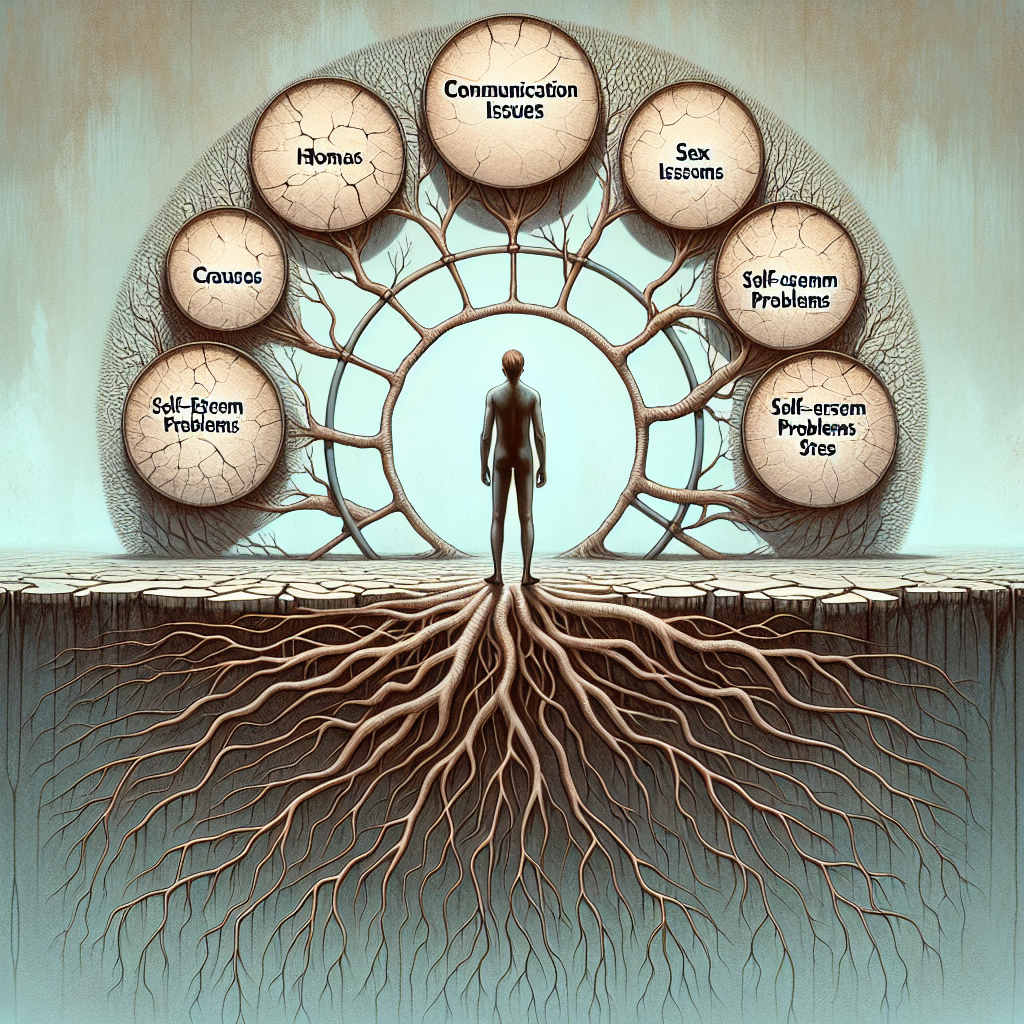
In the intricate tapestry of relationships, communication patterns play a pivotal role in shaping intimacy between partners. When two individuals come together, their ability to express thoughts, feelings, and desires becomes the foundation upon which their emotional and physical connection is built. However, when these communication channels become obstructed or ineffective, the vibrancy of intimacy can fade, leading to a cycle that many couples find difficult to break.
At the heart of effective communication lies vulnerability. When partners feel safe enough to share their innermost thoughts and emotions, they create an environment conducive to intimacy. Conversely, if one partner withholds their feelings or fears judgment, a chasm may form, making it challenging for the other to engage meaningfully. This lack of open dialogue can result in misunderstandings, where assumptions replace clarity, leaving both individuals feeling isolated despite being physically close. As the gap widens, so too does the emotional distance, often manifesting as a decline in sexual desire.
Furthermore, the way partners communicate during conflicts significantly influences their overall relationship dynamics. Couples who adopt a constructive approach to disagreements—actively listening, validating each other’s perspectives, and seeking solutions—tend to emerge from conflicts with their bond strengthened. On the other hand, those who resort to criticism, defensiveness, or stonewalling risk entrenching negative patterns that erode trust and affection over time. In such cases, intimacy may dwindle as partners begin to associate conflict with pain rather than growth, leading to avoidance behaviors that further diminish their sexual connection.
Additionally, the presence of unspoken expectations can complicate communication. Often, individuals enter relationships with preconceived notions about intimacy based on past experiences or societal standards. When these expectations are not articulated, frustration can build silently. One partner might yearn for more physical affection while the other remains unaware of this longing, leading to a disconnect that breeds resentment. The absence of candid discussions around needs and desires creates an emotional barrier that stifles intimacy and inhibits the natural flow of affection.
Moreover, external stressors can exacerbate existing communication issues. Life’s demands—work pressures, financial concerns, or family obligations—can overwhelm even the most loving couples. During such times, conversations may devolve into logistical exchanges rather than heartfelt dialogues. Partners might find themselves caught in a cycle of transactional interactions, neglecting the deeper emotional connections that foster intimacy. As stress mounts, the space for romance diminishes, often resulting in a sexless dynamic that leaves both parties yearning for what once was.
To counteract these challenges, intentional efforts toward improving communication can reignite the spark of intimacy. Practicing active listening—where each partner genuinely engages with the other’s words—can pave the way for deeper understanding. Setting aside dedicated time for intimate conversations allows couples to explore their emotional landscapes without distractions. Furthermore, expressing appreciation and affection outside of sexual contexts reinforces the idea that intimacy transcends physicality; it resides in shared moments of connection, laughter, and support.
Ultimately, breaking the cycle of sexless relationships requires a commitment to nurturing communication patterns that enhance intimacy. By fostering an atmosphere of openness and empathy, partners can rediscover the beauty of emotional closeness that naturally fuels desire. In doing so, they not only strengthen their bond but also cultivate a love that thrives amidst life’s inevitable challenges—a love that celebrates both the spoken and unspoken nuances of their shared journey.
Exploring Underlying Psychological Factors Contributing to Sexlessness
In the intricate tapestry of human relationships, the threads of intimacy often weave a complex pattern that can sometimes fray or become tangled. Among the most poignant issues couples may face is the emergence of sexlessness, a state that can leave partners feeling isolated and disconnected. To truly understand this phenomenon, it is essential to delve into the underlying psychological factors that contribute to such a profound shift in relational dynamics.
At the heart of many sexless relationships lies the interplay of emotional intimacy and vulnerability. When partners begin to feel emotionally distant from one another, it can create an invisible barrier that stifles desire. This emotional detachment often arises from unresolved conflicts or unmet needs, which may manifest as resentment or frustration. As these feelings fester, they can lead to a withdrawal not just from emotional engagement but also from physical affection, creating a cycle that becomes increasingly difficult to break. It is vital for couples to recognize how their emotional landscape directly influences their sexual connection; when one partner feels unsupported or misunderstood, the spark of attraction can dim considerably.
Moreover, societal pressures and personal expectations can significantly impact sexual relations within a partnership. In contemporary culture, where ideals of romance and passion are often idealized, individuals may find themselves grappling with unrealistic standards. These expectations can breed disappointment, leading partners to question their compatibility or desirability. Consequently, feelings of inadequacy may arise, prompting individuals to withdraw rather than engage fully with their partner. This withdrawal can create a self-perpetuating cycle: the more one partner retreats, the less the other feels inclined to reach out, further deepening the chasm between them.
Additionally, past experiences and traumas play a pivotal role in shaping one’s approach to intimacy. Individuals who have endured negative sexual experiences or emotional abandonment may carry these scars into new relationships, resulting in apprehension around physical closeness. Such fears can inhibit open communication about desires and boundaries, leaving partners adrift in uncertainty. The absence of honest dialogue about past wounds can exacerbate feelings of isolation, making it crucial for couples to cultivate an environment where vulnerability is welcomed and shared. By addressing these deeper issues together, partners can begin to heal and rebuild trust, ultimately rekindling the flames of desire.
Another significant factor influencing sexlessness is stress, both external and internal. Life’s demands—whether from work, family responsibilities, or financial concerns—can create an overwhelming sense of fatigue that permeates every aspect of life, including intimate relationships. When stress levels rise, the body instinctively prioritizes survival over pleasure, often relegating sexual expression to the backburner. Recognizing this dynamic allows couples to take proactive steps toward managing stress collectively, whether through shared activities, date nights, or simply fostering open communication about each other’s struggles.
Ultimately, breaking the cycle of sexlessness requires a commitment to understanding and addressing these underlying psychological factors. By nurturing emotional intimacy, challenging societal expectations, confronting past traumas, and managing stress together, couples can pave the way for renewed connection. As partners embark on this journey of rediscovery, they may find that intimacy is not merely a physical act but a profound expression of love and trust—a beautiful dance that flourishes when nurtured with care and understanding. In embracing this journey together, couples can transform their relationship, reigniting the passion that once brought them together and forging a deeper bond that transcends the challenges they face.
Strategies for Rebuilding Physical Connection and Desire
In the delicate tapestry of a romantic relationship, physical connection and desire often weave threads that bind partners together. Yet, when intimacy fades and relationships transition into a sexless phase, it can feel as though those threads have frayed or unraveled entirely. Understanding the roots of this disconnection is crucial, but equally important are the strategies for rebuilding the physical connection and rekindling desire.
To embark on this journey of reconnection, open communication stands as a foundational pillar. Partners must create a safe space where they can express their feelings, fears, and desires without fear of judgment. This dialogue should be approached with tenderness and empathy, allowing each person to articulate their needs while actively listening to the other. As conversations unfold, couples may discover underlying issues—stress from work, emotional exhaustion, or even past grievances—that contribute to the distance between them. By addressing these concerns openly, partners can begin to dismantle barriers that hinder intimacy.
Once a foundation of communication is established, the next step involves reigniting the spark through intentional acts of affection. Small gestures such as holding hands, cuddling on the couch, or sharing a lingering kiss can breathe life back into a relationship. These moments of closeness not only serve to enhance physical touch but also remind both partners of their emotional bond. It’s essential to remember that intimacy does not solely rely on sexual activity; rather, it flourishes in the everyday expressions of love and care that reinforce a sense of partnership.
Moreover, exploring new activities together can help foster a renewed sense of excitement and adventure within the relationship. Whether it’s trying out a dance class, going on spontaneous weekend trips, or simply cooking dinner together, shared experiences can help couples reconnect on multiple levels. The thrill of novelty can spark curiosity and desire, reminding partners of the joy they once found in each other’s company. Such activities encourage laughter and playfulness, which are vital ingredients in cultivating an atmosphere conducive to intimacy.
As partners seek to rebuild their physical connection, it is equally important to prioritize self-care and individual well-being. Each partner should take time to reflect on their own needs and desires, understanding that personal fulfillment plays a significant role in relational dynamics. Engaging in hobbies, exercising regularly, or practicing mindfulness can boost self-esteem and overall happiness. When individuals feel good about themselves, they are more likely to bring positive energy into the relationship, enhancing attraction and desire.
Another key strategy lies in setting aside dedicated time for intimacy. In our busy lives filled with responsibilities and distractions, scheduling intimate moments might seem unromantic at first glance; however, treating these occasions with intention can lead to deeper connections. Couples could plan regular date nights or even simple evenings spent enjoying one another’s company without interruptions. Creating rituals around intimacy helps to build anticipation and reinforces the idea that physical connection is a priority in the relationship.
Ultimately, breaking the cycle of a sexless relationship requires patience and commitment from both partners. Through open communication, affectionate gestures, shared experiences, self-care, and intentionality, couples can navigate their way back to a place of desire and intimacy. While the path may present challenges, the rewards—a deeper emotional bond and revitalized passion—are undoubtedly worth the effort. In nurturing both physical and emotional connections, partners can rediscover the beauty of their relationship and embrace a future filled with love and longing.
Conclusion
Breaking the cycle of sexless relationships requires a deep understanding of the underlying factors contributing to this phenomenon, including communication issues, emotional disconnection, and external stressors. By addressing these roots through open dialogue, fostering intimacy, and prioritizing relationship health, couples can work towards rekindling their physical connection and enhancing overall relationship satisfaction. Ultimately, awareness and proactive efforts are essential in transforming sexless relationships into fulfilling partnerships.