
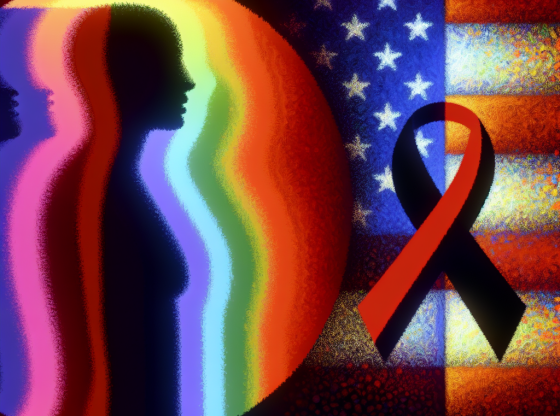
“A Colorful Exploration of Sexuality and the Unspoken Impact of HIV/AIDS in America” delves into the intricate tapestry of sexual identity and expression within the context of the HIV/AIDS epidemic. This exploration highlights how societal attitudes towards sexuality have evolved, reflecting broader cultural shifts while also addressing the stigma and challenges faced by those affected by the virus. Through a vibrant lens, the work examines personal narratives, community responses, and the ongoing struggle for awareness and acceptance, ultimately revealing the profound and often unacknowledged impact of HIV/AIDS on American society.
The Intersection of Colorful Expression and Sexual Identity
In the vibrant tapestry of human experience, sexuality emerges as a rich and multifaceted thread, woven intricately into the fabric of identity. This colorful expression is not merely a reflection of desire but also an affirmation of self, revealing the profound connection between who we are and how we love. As individuals traverse the landscape of their sexual identities, they often find themselves at the intersection of cultural heritage, personal history, and societal expectations. In this exploration, one can observe how colors symbolize various aspects of identity—each hue representing different emotions, experiences, and journeys.
For many, the journey of self-discovery in relation to sexuality is akin to painting on a blank canvas. Each stroke adds depth and complexity, creating a unique masterpiece that tells a story only the artist can truly understand. The vibrancy of rainbow flags, for instance, transcends mere aesthetics; they embody hope, pride, and resilience within the LGBTQ+ community. This celebration of diversity not only fosters inclusivity but also challenges societal norms, allowing individuals to express their authentic selves without fear or shame.
However, intertwined with this vivid celebration is the sobering reality of HIV/AIDS, which has cast a shadow over the lives of countless Americans since its emergence in the 1980s. While the colorful expressions of sexuality flourish, they exist within a context marked by the unspoken impact of this epidemic. For many, navigating their sexual identity comes hand-in-hand with grappling with the stigma associated with HIV/AIDS. The fear of discrimination or rejection can stifle the joyous exploration of one’s sexuality, leading to feelings of isolation even amidst a thriving community.
As conversations about sexuality continue to evolve, it becomes essential to acknowledge the historical significance of HIV/AIDS in shaping both individual and collective identities. The crisis forced communities to confront uncomfortable truths about health, intimacy, and mortality. It challenged artists, activists, and everyday individuals to channel their pain into powerful expressions that resonate beyond personal experience. Through art, literature, and advocacy, voices emerged from the margins, illuminating the struggles faced by those living with HIV/AIDS while celebrating the beauty of life and love in all its forms.
Moreover, the intersection of colorful expression and sexual identity serves as a reminder that vulnerability can be a source of strength. Those who openly share their stories contribute to a broader narrative that seeks to dismantle barriers and foster understanding. By embracing vulnerability, individuals create spaces where others can feel seen and heard, allowing for deeper connections rooted in empathy and acceptance.
As we navigate this complex terrain, it is crucial to recognize that sexuality is not a singular experience but rather a spectrum that encompasses diverse identities and expressions. Each person’s journey is uniquely theirs, colored by their experiences, relationships, and the socio-political landscape they inhabit. Therefore, fostering dialogue around these themes becomes paramount—not just to celebrate the richness of sexual identity but also to honor those affected by HIV/AIDS and advocate for a future free from stigma and discrimination.
In conclusion, the interplay between colorful expression and sexual identity is both beautiful and poignant. It invites us to reflect on our own narratives while acknowledging the shared experiences that bind us together. Ultimately, embracing this complexity allows for a more inclusive understanding of love and humanity, reminding us that every hue contributes to the magnificent mosaic of life.
Historical Perspectives on HIV/AIDS Awareness in America
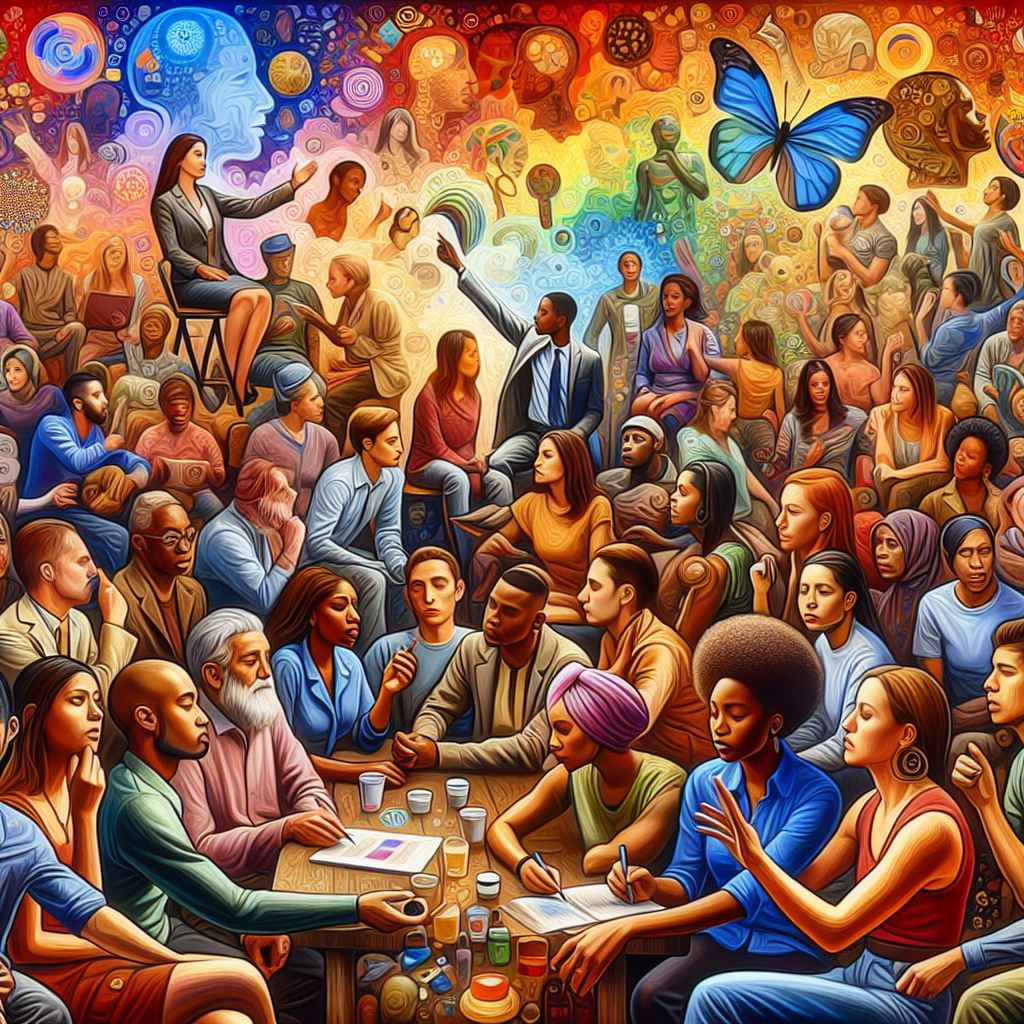
The journey of HIV/AIDS awareness in America is a vivid tapestry woven from threads of struggle, resilience, and transformation. As we reflect on the historical perspectives surrounding this complex issue, we are reminded that it is not merely a medical phenomenon but also an emotional and social narrative that has shaped countless lives. The late 20th century marked a pivotal moment when the first cases of what would later be identified as AIDS emerged, igniting fear and uncertainty across the nation. The initial response was steeped in stigma; many viewed the disease through a lens tainted by misunderstanding and prejudice. It was primarily within marginalized communities, particularly among gay men, that the virus took hold, leading to an alarming rate of infection and death.
As these early days unfolded, the silence surrounding the illness only deepened the pain for those affected. Families were torn apart by grief, while society at large seemed reluctant to confront the reality of HIV/AIDS. Yet, amid this darkness, a flicker of hope began to emerge. Activism blossomed as individuals and organizations rallied together to demand recognition, treatment, and compassion. Groups like ACT UP formed, giving voice to those who had been rendered invisible by fear and ignorance. Their passionate protests not only brought attention to the crisis but also sparked essential conversations about sexuality, health, and human rights.
Transitioning into the 1990s, the landscape of HIV/AIDS awareness began to shift dramatically. With advancements in medical research, antiretroviral therapies transformed what was once a death sentence into a manageable chronic condition for many. This newfound hope breathed life into advocacy efforts, prompting a more nuanced discussion about sexuality and public health. Educational campaigns emerged, aiming to demystify the virus and promote safer practices. However, even as progress was made, it became increasingly clear that the societal impacts of HIV/AIDS were far-reaching and multifaceted.
In the wake of these changes, the conversation around sexuality itself started to evolve. No longer confined to whispers or hushed tones, discussions about sexual identity and orientation gained visibility and legitimacy. The intersection of HIV/AIDS with broader movements for LGBTQ+ rights illuminated the importance of understanding sexuality as a spectrum rather than a binary construct. Consequently, this period saw an embracing of diversity—an acknowledgment that love, desire, and intimacy come in myriad forms.
Despite these strides forward, challenges remained palpable. Stigma continued to linger, particularly among communities of color and other marginalized groups disproportionately affected by the epidemic. Disparities in healthcare access highlighted systemic inequities, reminding us that the fight against HIV/AIDS is intertwined with larger social justice issues. As we navigated the complexities of race, class, and sexuality, it became evident that our collective understanding of health must encompass both individual experiences and societal structures.
Today, as we look back on this rich history, we recognize that the evolution of HIV/AIDS awareness in America serves as a testament to human resilience and love’s enduring power. The stories of those lost and those who continue to thrive remind us of the importance of empathy, education, and advocacy. By honoring this past and acknowledging its impact on present-day dialogues about sexuality, we pave the way for a future where acceptance triumphs over stigma—a future painted in vibrant colors of diversity, strength, and connection. In this colorful exploration of humanity, we find not just shadows of sorrow but also a radiant celebration of life and love that refuses to be silenced.
The Role of Art in Communicating the Impact of HIV/AIDS
Art has always served as a profound medium for expressing the complexities of human experience, and in the context of HIV/AIDS, it emerges as an essential vehicle for communication, reflection, and healing. Throughout history, artists have channeled their creativity to articulate emotions that words often fail to capture. In the face of the HIV/AIDS epidemic, which ravaged communities and reshaped societal perceptions of sexuality, art became not only a response but also a lifeline for many individuals grappling with loss, stigma, and identity.
The vibrant tapestry of artistic expression surrounding HIV/AIDS encompasses various forms, including visual arts, theater, music, and literature. Each genre offers unique insights into the lived experiences of those affected by the disease. For instance, visual artists like Keith Haring and David Wojnarowicz used their canvases to confront the harsh realities of the epidemic while simultaneously celebrating the vibrancy of life and love. Their works resonate deeply, capturing the urgency of activism alongside poignant moments of intimacy and connection. Through bold colors and striking imagery, these artists transformed pain into powerful messages that transcended boundaries, inviting viewers to engage with the emotional landscape of HIV/AIDS.
Moreover, theater has played a crucial role in bringing the narratives of individuals living with HIV/AIDS to the forefront. Productions such as “Rent” and “Angels in America” not only entertain but also educate audiences about the struggles faced by those within the LGBTQ+ community during the height of the crisis. These performances weave together themes of love, loss, and resilience, creating a shared space where vulnerability can flourish. By portraying characters who grapple with their identities amidst societal rejection, these plays foster empathy and understanding, encouraging audiences to reflect on their own perceptions of sexuality and health.
As we navigate through this colorful exploration of artistry, it becomes evident that music too holds immense power in communicating the impact of HIV/AIDS. Songs infused with personal narratives serve as anthems of hope and defiance, echoing the sentiments of countless individuals. Artists like Freddie Mercury and RuPaul have utilized their platforms to raise awareness, inspiring others to embrace their identities without fear. The melodies they create act as bridges connecting disparate experiences, reminding us that love and acceptance are universal desires that transcend illness and prejudice.
Transitioning from individual expressions to collective movements, one cannot overlook the significance of community art projects and initiatives aimed at raising awareness around HIV/AIDS. Organizations such as Visual AIDS encourage artists to explore the intersections of art and activism, fostering spaces where dialogue can thrive. These collaborative efforts empower marginalized voices, amplifying stories that might otherwise remain unheard. By engaging with diverse perspectives, we begin to dismantle the stigma associated with HIV/AIDS, paving the way for greater acceptance and understanding.
In conclusion, the role of art in communicating the impact of HIV/AIDS is both vital and transformative. It serves as a beacon of hope amid despair, inviting society to confront uncomfortable truths while celebrating the resilience of the human spirit. Through various artistic mediums, we find pathways to connect, heal, and ultimately redefine our understanding of sexuality in the context of this ongoing epidemic. As we continue to explore these creative expressions, let us remember that art not only reflects reality but also shapes it, guiding us toward a more compassionate future.
Celebrating Diversity: Personal Stories from the LGBTQ+ Community
In the vibrant tapestry of American life, the LGBTQ+ community stands as a testament to resilience and diversity. Each thread in this intricate fabric tells a story that is both unique and universal, reflecting the myriad experiences of love, struggle, and triumph. As we delve into these personal narratives, we uncover not only the beauty of individual identities but also the profound impact of HIV/AIDS on the collective consciousness of this community.
Consider the story of Alex, a young artist whose canvases burst with color and emotion. His journey of self-discovery began in a small town where acceptance was scarce, yet his passion for painting became a refuge. Through his art, he explored themes of love and loss, often drawing inspiration from friends who faced the harsh realities of living with HIV. Alex’s work serves as a poignant reminder of the vulnerability inherent in human connection. It captures moments of joy intertwined with sorrow, illustrating how love can flourish even amidst adversity. His exhibitions are not merely displays of creativity; they are celebrations of life, honoring those who have been affected by the virus while fostering dialogue around prevention and awareness.
Similarly, Maria’s narrative unfolds against the backdrop of her family’s cultural expectations. Growing up in a traditional household, she grappled with her identity as a bisexual woman. Her coming out was met with resistance, yet it ultimately catalyzed a deeper understanding within her family. With time, they embraced her truth, allowing their relationships to blossom in unexpected ways. Maria actively participates in local advocacy groups, sharing her story to inspire others who may feel isolated in their journeys. Her courage to be open about her sexuality and her commitment to educating others about HIV/AIDS highlight the importance of compassion and knowledge in dismantling stigma.
Transitioning from personal stories to broader societal impacts, we see how the LGBTQ+ community has historically navigated the complexities of public perception. The AIDS crisis of the 1980s marked a pivotal moment that galvanized activism and solidarity among queer individuals. This period illuminated the urgent need for healthcare access and education, leading to the formation of organizations dedicated to supporting those affected by HIV/AIDS. The legacy of this era continues to shape contemporary discussions around sexual health, emphasizing the necessity of ongoing advocacy and support networks.
As we celebrate these diverse narratives, we must also recognize the unspoken weight carried by many within the community. For some, the scars of loss linger, serving as reminders of loved ones who succumbed to the disease. Yet, within this grief lies an undeniable strength—a collective determination to honor their memories through action. Events like Pride parades and fundraising galas not only commemorate those lost but also foster a sense of belonging and pride among participants. They transform pain into purpose, creating spaces where love triumphs over fear.
Through these intertwined stories, we understand that celebrating diversity extends beyond mere acknowledgment; it requires active engagement and empathy. The colorful exploration of sexuality within the LGBTQ+ community invites us all to reflect on our own perceptions and biases. By listening to these personal accounts, we cultivate a richer appreciation for the complexity of human experience, recognizing that each individual’s journey contributes to the beautiful mosaic that defines America today. In embracing this diversity, we pave the way for a future where love knows no bounds, and every voice resonates harmoniously in the symphony of life.
Conclusion
The exploration of sexuality through a colorful lens highlights the diverse experiences and identities within the LGBTQ+ community, while simultaneously acknowledging the profound and often unspoken impact of HIV/AIDS in America. This dual narrative emphasizes the importance of understanding how societal attitudes towards sexuality can shape public health responses and personal experiences. Ultimately, fostering open dialogue about both sexuality and the realities of HIV/AIDS is essential for promoting acceptance, reducing stigma, and improving health outcomes for all individuals affected by this epidemic.