

“Breaking Down Barriers: A Guide to Making Friends” is a comprehensive resource designed to help individuals navigate the complexities of building meaningful relationships in today’s fast-paced world. This guide addresses common obstacles such as social anxiety, communication barriers, and cultural differences, offering practical strategies for fostering connections with others. Through insightful tips, relatable anecdotes, and actionable exercises, readers will learn how to cultivate genuine friendships, enhance their social skills, and embrace vulnerability. Whether you’re looking to expand your social circle or deepen existing bonds, this guide serves as a valuable companion on the journey to forging lasting connections.
Understanding Social Anxiety: Tips for Overcoming Fear
Understanding social anxiety can feel like navigating a labyrinth of emotions, where each turn is filled with uncertainty and self-doubt. For many, the fear of judgment or rejection looms large, casting a shadow over the desire to connect with others. Yet, within this intricate web of anxiety lies the potential for profound relationships and shared experiences. To embark on this journey toward overcoming fear, it is essential to first acknowledge the nature of social anxiety itself. Often, it manifests as a relentless inner critic, whispering doubts that can paralyze even the most well-intentioned individuals. Recognizing these thoughts as mere echoes of insecurity can be the first step toward liberation.
As you begin to dismantle these barriers, consider starting small. Engaging in low-pressure situations, such as casual conversations with acquaintances or participating in group activities, can serve as gentle introductions to the world of social interaction. By gradually exposing yourself to social settings, you allow your comfort zone to expand organically. This gradual approach fosters resilience, enabling you to confront fears without overwhelming yourself. Moreover, practicing mindfulness techniques can help anchor you in the present moment, providing solace amidst the storm of anxious thoughts. Focusing on your breath or observing your surroundings can ground you, transforming moments of panic into opportunities for connection.
Another vital aspect of overcoming social anxiety involves reframing your perspective on interactions. Rather than viewing conversations as potential pitfalls, try embracing them as beautiful exchanges filled with possibilities. Each person you meet carries a unique story, and by shifting your mindset from fear to curiosity, you open yourself up to a world rich with diverse experiences. This shift encourages genuine connections and allows you to appreciate the nuances of human interaction. Additionally, remember that vulnerability is not a weakness but rather an invitation for authenticity. When you share your own fears or insecurities, you often find that others resonate with those feelings, creating a bond rooted in mutual understanding.
Building friendships also requires patience and persistence. Just as a garden flourishes over time, so too do meaningful relationships. It’s important to recognize that not every interaction will lead to a deep connection, and that’s perfectly okay. Embracing the ebb and flow of social encounters can ease the pressure you place on yourself, allowing friendships to blossom naturally. As you engage with others, focus on finding common interests and shared passions; these elements serve as fertile ground for nurturing bonds.
Moreover, don’t hesitate to seek support from trusted friends or mental health professionals. Sharing your experiences with someone who understands can provide valuable insights and encouragement. They may offer strategies that have worked for them or simply lend a compassionate ear when you need it most. Remember, seeking help is not a sign of weakness but rather a courageous step toward growth and healing.
In conclusion, while social anxiety may seem like an insurmountable barrier, it can be softened through understanding and intentional practice. By embracing small steps, shifting perspectives, and fostering connections with others, you pave the way for deeper friendships and richer experiences. Ultimately, the journey of breaking down these barriers leads not only to personal growth but also to the enchanting possibility of love and companionship in all its forms.
Effective Communication Skills for Building Friendships
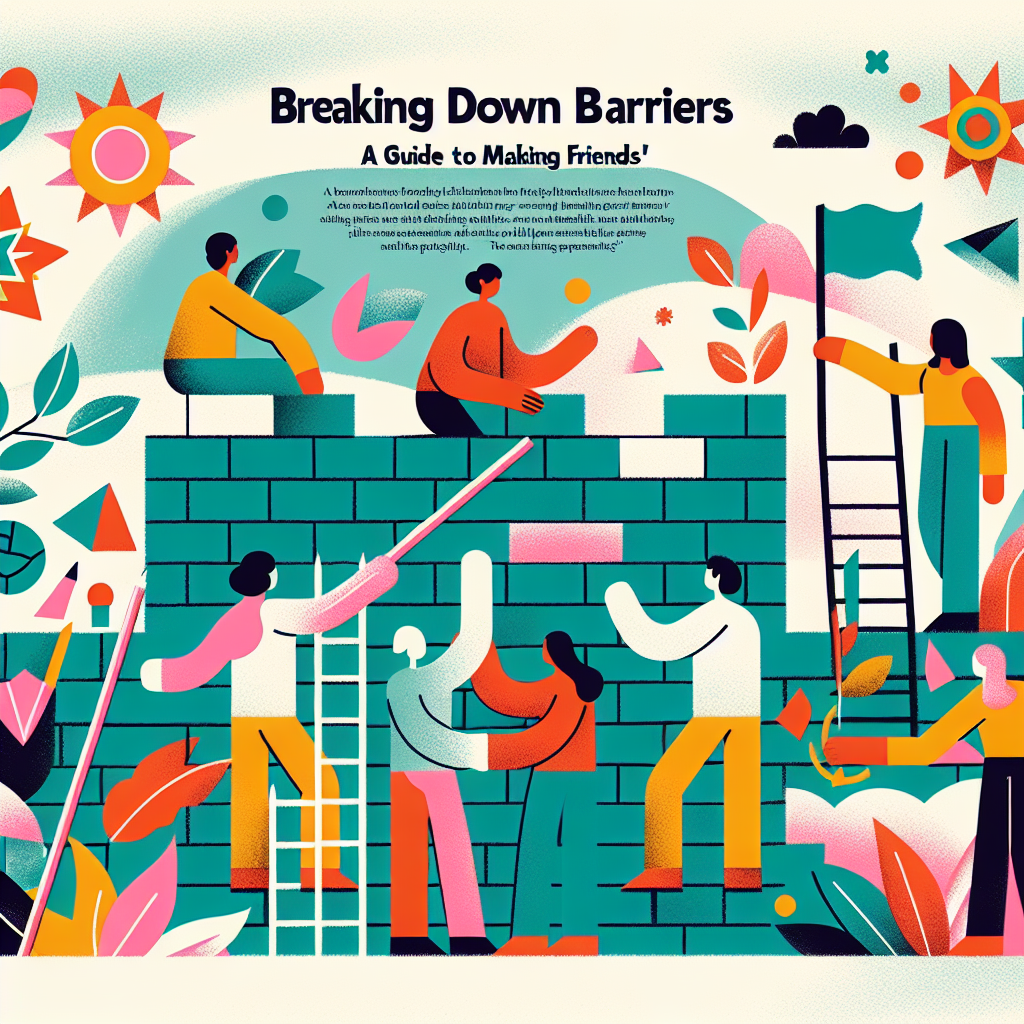
Effective communication is the heartbeat of any meaningful relationship, and when it comes to building friendships, mastering this art can transform fleeting encounters into lasting connections. At its core, effective communication involves more than just exchanging words; it requires a genuine desire to understand and be understood. This journey begins with active listening, an essential skill that lays the foundation for trust and empathy. When you engage with someone, focus not only on their words but also on their tone, body language, and emotions. By showing that you value what they have to say, you create a safe space where vulnerability can flourish, allowing both parties to share their thoughts and feelings openly.
Moreover, expressing yourself authentically is equally crucial in fostering deeper bonds. It’s easy to wear masks or adopt personas that we believe will be more appealing to others, yet true friendship thrives in authenticity. When you communicate your thoughts and emotions honestly, you invite others to do the same, paving the way for mutual understanding. Sharing personal stories or experiences can serve as a bridge between two souls, igniting sparks of connection and revealing common ground. As you weave these narratives into conversations, remember that vulnerability is not a weakness but rather a testament to your courage, making your interactions richer and more profound.
In addition to authenticity, non-verbal cues play an integral role in how messages are conveyed and perceived. A warm smile, steady eye contact, or a gentle touch can enhance your spoken words, creating a tapestry of connection that transcends verbal communication. These subtle gestures speak volumes, often conveying emotions that words may fail to express. Therefore, being mindful of your body language while engaging with others can significantly impact the quality of your interactions. Strive to cultivate an inviting presence that encourages openness and warmth, drawing people closer to you.
Transitioning from one topic to another during conversations can sometimes feel daunting, but embracing the flow of dialogue can lead to unexpected moments of intimacy. Ask open-ended questions that invite elaboration, allowing the conversation to evolve naturally. For instance, instead of simply asking about someone’s weekend plans, delve deeper by inquiring about their passions or dreams. Such questions not only demonstrate genuine interest but also encourage the other person to reflect on their aspirations, unveiling layers of their personality that might otherwise remain hidden.
Furthermore, practicing empathy is vital in nurturing friendships through effective communication. Putting yourself in another’s shoes allows you to respond with compassion and understanding, particularly during challenging discussions. When conflicts arise, approach them with a mindset focused on resolution rather than blame. This willingness to navigate disagreements constructively fosters resilience in your relationships, reinforcing the bond you share.
Ultimately, building friendships through effective communication is a beautiful dance of expression and understanding. Each interaction presents an opportunity to connect on a deeper level, enriching both your life and the lives of those around you. Embrace the nuances of conversation—listen deeply, share openly, and respond with kindness. As you break down barriers through thoughtful communication, you will find that friendships blossom like flowers in springtime, vibrant and full of life, each one unique yet intertwined in the shared experience of human connection.
Activities to Foster Connections and Break Down Barriers
In a world where connections often feel fleeting and superficial, the pursuit of genuine friendships can seem daunting. However, engaging in activities that foster connection can transform this journey into a beautiful tapestry of shared experiences and heartfelt moments. By participating in thoughtful endeavors, we open ourselves to the possibility of forging bonds that transcend mere acquaintance.
One of the most effective ways to break down barriers is through collaborative activities. Consider joining a community garden or participating in local clean-up initiatives. These shared tasks not only cultivate a sense of purpose but also create opportunities for meaningful conversations. As you dig your hands into the earth alongside others, laughter and stories intertwine like vines, nurturing connections that blossom over time. The act of working together towards a common goal encourages camaraderie, allowing individuals to share their thoughts and dreams while basking in the warmth of mutual effort.
Moreover, creative pursuits such as art classes or writing workshops serve as fertile ground for friendship to take root. When individuals gather to explore their artistic sides, they often reveal personal insights and vulnerabilities that deepen their interactions. Painting side by side or weaving words together invites participants to express themselves openly, creating an intimate atmosphere where understanding flourishes. In this space, laughter becomes a brushstroke on the canvas of connection, painting vibrant memories that linger long after the class has ended.
Additionally, consider the power of group sports or fitness classes. Engaging in physical activities not only promotes health but also fosters teamwork and encouragement. Whether it’s sweating it out in a spin class or strategizing during a soccer match, these experiences unite individuals in a shared rhythm of exertion and triumph. The exhilaration of achieving goals together—be it scoring points or completing a challenging workout—creates a bond that transcends the competition, turning strangers into allies united by sweat and determination.
As we navigate through life’s intricate dance, book clubs offer another enchanting avenue for connection. Delving into the pages of a story with others invites discussion that goes beyond the plot, revealing personal philosophies and emotions. Each participant brings unique perspectives, transforming simple gatherings into profound exchanges of ideas and feelings. The act of sharing interpretations of characters’ journeys allows for vulnerability and empathy, fostering an environment ripe for deepening friendships.
In addition, volunteering for causes close to one’s heart creates an extraordinary opportunity for connection. Working alongside like-minded individuals who share similar passions ignites a spark of camaraderie that can lead to lasting friendships. The shared commitment to making a difference cultivates a sense of belonging and purpose, weaving threads of compassion and understanding into the fabric of relationships. Through acts of kindness and service, connections flourish, reminding us that our collective efforts can create ripples of change both within ourselves and the communities we cherish.
Ultimately, breaking down barriers and making friends requires intentionality and openness. By immersing ourselves in activities that encourage interaction and collaboration, we create spaces where authenticity thrives. Each experience holds the potential for growth and connection, reminding us that friendships are not merely found; they are crafted through shared moments and cherished memories. As we embark on this romantic journey of connection, let us embrace the beauty of each encounter, knowing that every step taken together draws us closer to the hearts of others.
The Importance of Vulnerability in Forming Lasting Friendships
In the intricate tapestry of human relationships, vulnerability serves as a delicate thread that binds individuals together, fostering connections that can withstand the test of time. When we think about forming lasting friendships, it becomes clear that vulnerability is not merely an emotional risk; rather, it is an essential ingredient in nurturing deep and meaningful bonds. To truly understand this concept, we must first acknowledge the inherent fear that often accompanies vulnerability. It requires us to expose our true selves, revealing our hopes, fears, and imperfections to others. This act of sharing can feel daunting, yet it is precisely this openness that invites reciprocity and trust.
As we navigate through life, we encounter myriad opportunities for connection, yet many remain fleeting or superficial. The barrier that often stands between casual acquaintances and profound friendships is rooted in our willingness to be vulnerable. When we allow ourselves to share personal stories, dreams, and even insecurities, we invite others to step into our world. This invitation creates a space where authenticity flourishes, enabling deeper understanding and empathy. In turn, when others respond with their own vulnerabilities, a beautiful dance of mutual revelation begins—a harmony that transforms strangers into confidants.
Moreover, embracing vulnerability allows us to cultivate resilience within our friendships. Life’s challenges are inevitable, and facing them alone can lead to feelings of isolation. However, when we lean on our friends, sharing both our struggles and triumphs, we create a support system built on trust and compassion. This shared experience not only strengthens the bond but also fosters a sense of belonging that transcends the mundane. Friends who witness our lows and celebrate our highs become anchors in our lives, reminding us that we are never truly alone in our journey.
Additionally, vulnerability paves the way for acceptance and understanding. Each individual carries a unique narrative shaped by experiences, cultures, and perspectives. By opening up about our backgrounds and emotions, we encourage others to do the same. This exchange enriches our friendships with diverse insights and encourages growth. As we learn from each other’s stories, we dismantle preconceived notions and biases, cultivating a rich tapestry of friendship grounded in respect and appreciation for one another’s differences.
It is important to recognize that vulnerability does not equate to weakness; instead, it embodies strength and courage. Choosing to be open with someone signifies trust—an acknowledgment that they hold a special place in our hearts. This act of bravery not only enhances our interpersonal relationships but also empowers us as individuals. We grow more comfortable in our skin, shedding the layers of pretense that often hinder genuine connections.
Ultimately, the beauty of forming lasting friendships lies in the moments of vulnerability we dare to embrace. These moments serve as catalysts for transformation, turning ordinary encounters into extraordinary relationships. As we break down the barriers that keep us isolated, we discover that friendship is not just about shared interests or laughter; it is about the profound connection forged through honesty and openness. In this enchanting journey of friendship, let us remember that vulnerability is not something to fear but a gateway to intimacy and understanding, illuminating the path toward lifelong companionship.
Conclusion
“Breaking Down Barriers: A Guide to Making Friends” emphasizes the importance of overcoming social obstacles and fostering genuine connections. It provides practical strategies for enhancing communication, building trust, and embracing vulnerability. By encouraging openness and empathy, the guide empowers individuals to create meaningful relationships, ultimately enriching their social lives and promoting a sense of belonging. In conclusion, forming friendships requires intentional effort, self-awareness, and a willingness to step outside one’s comfort zone, leading to personal growth and stronger community ties.