
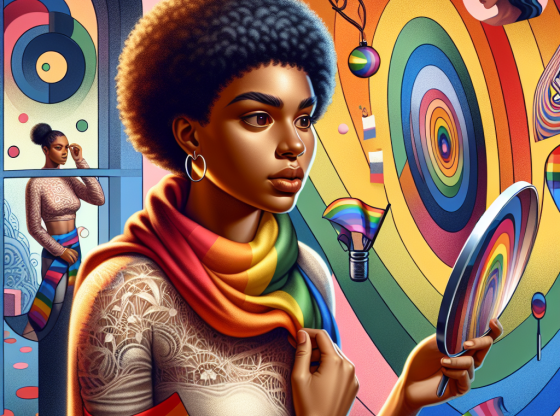
Chanté is a dynamic exploration of the vibrant and complex intersections of sexuality and identity, delving into how these facets shape individual experiences and societal narratives. Through a rich tapestry of personal stories, cultural reflections, and critical analysis, Chanté illuminates the diverse expressions of identity that emerge at the crossroads of sexual orientation, gender, race, and culture. By fostering an inclusive dialogue, this work invites readers to reflect on their own identities while celebrating the multifaceted nature of human experience.
Celebrating Diversity: Understanding Sexuality and Identity
In a world that thrives on the vibrancy of its diversity, understanding the intricate tapestry of sexuality and identity becomes essential. This exploration is not merely an academic endeavor; it resonates deeply with the human experience, reflecting our shared journey through love, self-discovery, and acceptance. As we delve into this rich landscape, we uncover the myriad ways in which individuals embrace their unique identities, celebrating the beautiful spectrum of human connection.
At the heart of this celebration lies the acknowledgment that sexuality is not a singular narrative but rather a multitude of stories woven together. Each person’s experience contributes to a broader understanding of what it means to be authentically oneself. In recognizing this complexity, we move beyond rigid definitions and embrace fluidity—an essential aspect of both sexuality and identity. The language we use to describe ourselves can shift as we grow, allowing for a more nuanced appreciation of who we are at any given moment.
Moreover, the intersections of culture, ethnicity, gender, and sexuality create a kaleidoscope of experiences that enrich our understanding of identity. For many, these intersections serve as both a source of pride and a challenge to navigate societal expectations. Embracing one’s sexual orientation within the context of cultural background often leads to vibrant expressions of identity that challenge stereotypes and broaden perspectives. By sharing these narratives, we foster empathy and understanding, encouraging others to explore their own complexities without fear or shame.
As we celebrate this diversity, it is vital to recognize the role that community plays in shaping individual identities. Supportive spaces allow individuals to express themselves freely, fostering connections that validate personal experiences. These communities become sanctuaries where differences are not just accepted but celebrated, offering a sense of belonging that transcends societal norms. In such environments, individuals find strength in unity, empowering one another to stand confidently in their truth.
Transitioning from personal narratives to broader societal implications, it is evident that embracing diversity in sexuality and identity fosters social progress. Advocacy for LGBTQ+ rights has paved the way for increased visibility and representation, challenging antiquated notions of normativity. As society evolves, so too does the recognition of diverse identities, leading to greater inclusivity across various sectors—from politics to media. These shifts not only validate personal experiences but also inspire future generations to live openly and authentically.
Yet, despite these advancements, challenges persist. Discrimination and stigma continue to shadow many individuals as they navigate their identities, underscoring the need for ongoing dialogue and education. It is crucial to engage in conversations that dismantle misconceptions and promote understanding. By doing so, we cultivate an environment where everyone feels empowered to share their story, enriching our collective narrative.
Ultimately, celebrating the colorful intersections of sexuality and identity invites us to reflect on our own journeys while honoring the paths of others. It encourages us to embrace vulnerability as a strength and to recognize that every story adds depth to the human experience. Through compassion and open-mindedness, we can create a world that not only acknowledges but cherishes diversity—a place where love knows no bounds and where every individual is free to shine brightly in their authentic selves. In this harmonious coexistence, we discover the true essence of humanity: a symphony of voices united in their quest for love, acceptance, and understanding.
Navigating Intersectionality: The Impact of Culture on Sexual Expression
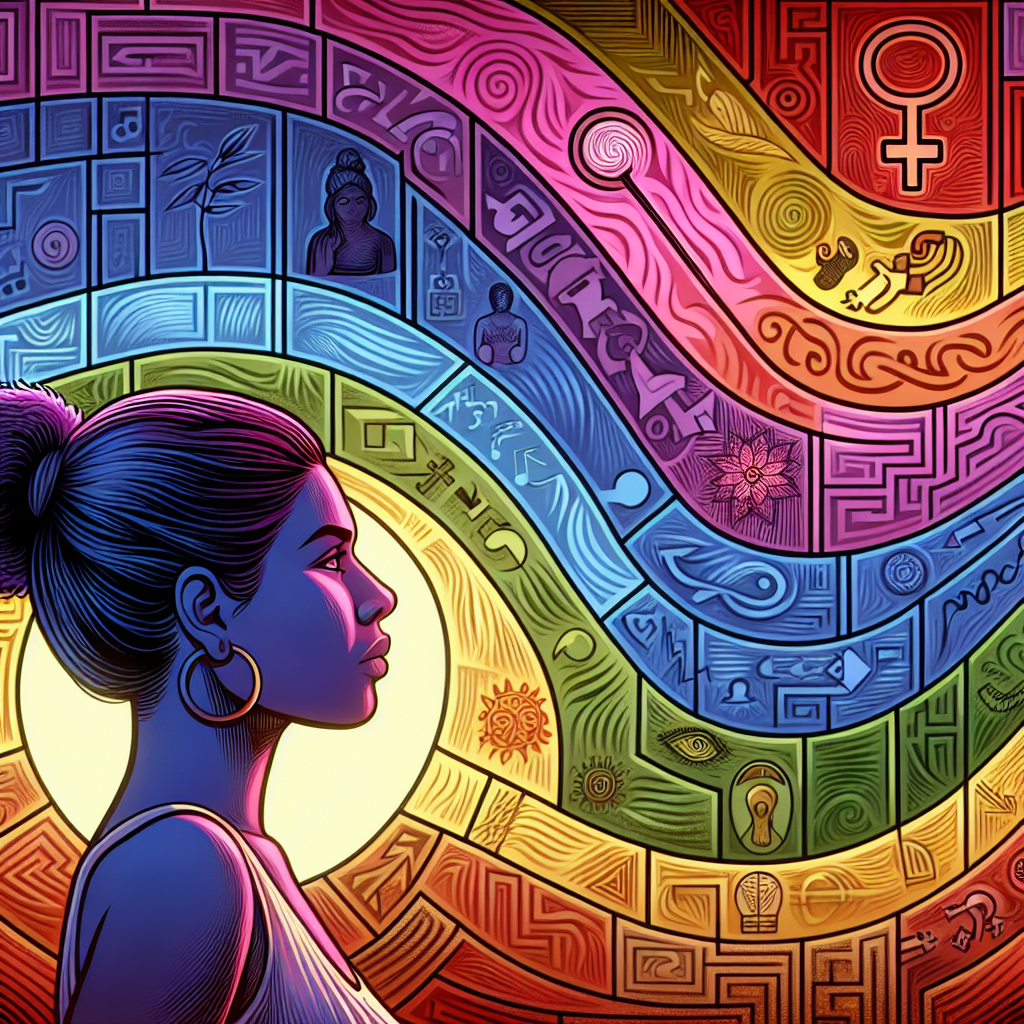
In the vibrant tapestry of human experience, sexuality and identity are woven together in intricate patterns that reflect the diverse cultural landscapes from which they emerge. Chanté, an artist whose work resonates deeply with themes of love and self-discovery, delves into these colorful intersections, illuminating how culture shapes our understanding of sexual expression. The interplay between cultural norms and personal identity can be both complex and beautiful, revealing a spectrum of emotions that echo through generations.
As individuals navigate their identities within various cultural contexts, they often encounter a rich mosaic of beliefs, traditions, and expectations. These elements can either nurture or hinder the exploration of one’s sexuality. For some, the embrace of their sexual orientation may come easily, buoyed by a supportive community that celebrates diversity. In contrast, others may grapple with internalized conflicts, where societal pressures clash with their authentic selves. This dichotomy highlights the importance of recognizing how cultural backgrounds inform individual experiences, ultimately shaping perceptions of love, desire, and belonging.
Chanté’s artistic journey serves as a poignant reminder that the struggle for acceptance is not merely a personal endeavor; it is also a reflection of broader societal dynamics. Through her work, she captures the essence of this struggle, portraying characters who embody the complexities of intersectionality. By showcasing narratives that resonate across different cultures, she invites audiences to engage with the nuances of identity formation. Each brushstroke becomes a testament to resilience, illustrating how individuals rise above challenges imposed by cultural expectations to assert their true selves.
Moreover, the impact of culture on sexual expression extends beyond mere acceptance; it also influences the very language we use to articulate our desires. Different cultures offer unique vocabularies for love and intimacy, enriching the conversation around sexuality. As Chanté explores these linguistic variations, she unveils how words can serve as both barriers and bridges. In some cultures, open discussions about sexuality may flourish, fostering environments where individuals feel empowered to express themselves freely. Conversely, in more conservative settings, silence often prevails, leaving many to navigate their feelings alone. Thus, the dialogue surrounding sexual identity becomes a crucial battleground for visibility and understanding.
Transitioning from the intricacies of language, it becomes evident that art plays a vital role in shaping cultural narratives surrounding sexuality. Artists like Chanté challenge stereotypes and provoke thought through their creative expressions. By weaving stories that celebrate love in all its forms—be it queer relationships, fluid identities, or unconventional partnerships—they contribute to a broader discourse that champions inclusivity. Their work acts as a mirror reflecting society’s evolving attitudes toward sexuality, encouraging conversations that transcend boundaries and foster empathy.
Ultimately, navigating the intersections of culture and sexuality reveals a profound truth: our identities are not static but rather dynamic creations influenced by our surroundings. As Chanté continues to explore these themes, she reminds us that embracing our multifaceted selves is an act of courage and love. Through her artistry, she inspires others to embark on their journeys of self-discovery, inviting them to find beauty in the spaces where their identities intersect with the vibrant colors of culture. In doing so, she reinforces the notion that every story matters and that each individual’s experience contributes to the ever-evolving narrative of humanity itself.
Personal Narratives: Stories of Self-Discovery in Sexuality
In the intricate tapestry of human experience, personal narratives serve as vibrant threads that weave together stories of self-discovery in sexuality and identity. Each narrative is a unique journey, filled with moments of revelation, confusion, joy, and sometimes heartache. For many, these stories illuminate not just who they are but also how they relate to the world around them. As individuals navigate the colorful intersections of sexuality and identity, their experiences often reflect broader societal changes, revealing the complexity and richness of human emotion.
Consider the story of Jamie, who grew up in a small town where conformity was prized above all else. From an early age, Jamie felt different, grappling with feelings that didn’t align with the expectations set by family and peers. This internal conflict was compounded by a lack of representation; the media offered few role models who mirrored Jamie’s burgeoning sense of self. Yet, as Jamie began to explore the internet—a vast landscape of diverse voices—the seeds of self-acceptance were sown. Through online communities, Jamie found solace in sharing experiences with others who understood the struggle of reconciling one’s true self with societal norms. This connection fostered a sense of belonging that had previously seemed elusive.
Transitioning from isolation to community often marks a pivotal moment in personal narratives surrounding sexuality. For instance, Mia’s story illustrates how friendships can become sanctuaries for self-exploration. Surrounded by supportive friends during her college years, Mia began to embrace her bisexuality, discovering layers of herself that had long been suppressed. In late-night conversations filled with laughter and vulnerability, she learned that love could take many forms and that each relationship—romantic or platonic—contributes to one’s understanding of identity. These interactions became a mirror reflecting the beauty of diversity, allowing Mia to appreciate the fluidity of attraction without fear or shame.
Moreover, the act of storytelling itself plays a crucial role in shaping individual identities. When people share their journeys, they not only affirm their own experiences but also provide validation for others navigating similar paths. Take Leo’s tale, which highlights the transformative power of art as a medium for expression. As a painter, Leo channeled his struggles with being openly gay into vivid canvases that told stories of love, loss, and acceptance. Each brushstroke served as both catharsis and celebration, allowing him to reclaim his narrative in a society that often seeks to silence marginalized voices. Through exhibitions showcasing his work, Leo created spaces where viewers could confront their biases and celebrate differences, fostering dialogue about sexuality and identity within his community.
Furthermore, these personal narratives underscore the importance of resilience in the face of adversity. Stories like Ava’s reveal how confronting discrimination and prejudice can lead to profound growth. After experiencing rejection from family members upon coming out as transgender, Ava found strength in advocacy, using her voice to uplift others facing similar challenges. By sharing her journey through social media platforms, she transformed pain into empowerment, demonstrating that vulnerability can inspire change and create ripples of hope.
Ultimately, the exploration of sexuality and identity is a deeply personal yet universally resonant experience. Each narrative contributes to a collective understanding, reminding us that while our paths may differ, the quest for authenticity binds us together. As we listen to these stories of self-discovery, we cultivate empathy and appreciation for the kaleidoscope of human experience, enriching our shared existence in this beautifully complex world.
Art as a Medium: Representing Sexuality and Identity Through Creative Expression
Art has long served as a powerful medium for expressing the complexities of human experience, and within this realm, the intersections of sexuality and identity emerge as particularly vibrant themes. Artists have utilized various forms of creative expression to explore and represent their own identities while simultaneously challenging societal norms. This exploration often leads to a rich tapestry of narratives that resonate with audiences on multiple levels, evoking both emotional responses and intellectual engagement.
Through painting, sculpture, photography, and performance, artists can capture the nuances of their lived experiences, offering insights into the multifaceted nature of sexual orientation and identity. For instance, visual art allows for the use of color, form, and texture to convey feelings that words may fail to express. A bold brushstroke might evoke passion or anger, while softer hues could symbolize vulnerability or tenderness. In this way, the canvas becomes a space where personal stories unfold, inviting viewers to engage deeply with the artist’s journey.
Moreover, the act of creating art itself can be a form of self-discovery and affirmation. Many artists find solace in the process of translating their internal struggles and triumphs into tangible forms. By manifesting their experiences through creative outlets, they not only validate their identities but also pave the way for others to do the same. This communal aspect of artistic expression fosters connection among individuals who may share similar experiences, thereby building solidarity within diverse communities.
Transitioning from traditional mediums to contemporary practices, we see how technology has expanded the possibilities for exploring sexuality and identity in art. Digital platforms allow artists to reach wider audiences, facilitating conversations that transcend geographical boundaries. Social media, in particular, serves as a dynamic space where creators can share their work, receive feedback, and connect with like-minded individuals. These interactions often lead to collaborative projects that celebrate diversity and challenge prevailing stereotypes, making the digital landscape a vital arena for advocacy and representation.
Performance art, too, plays a significant role in this exploration. Through live expressions of identity, artists can embody their truths in ways that invite immediate engagement from audiences. The physicality of performance brings an intensity that static art forms may lack, allowing viewers to witness vulnerability and strength in real-time. Such performances often confront societal expectations head-on, questioning normative narratives surrounding gender and sexuality. In doing so, they create opportunities for dialogue and reflection, encouraging audiences to reconsider preconceived notions about identity.
Furthermore, the intersectionality inherent in discussions of sexuality and identity cannot be overlooked. Artists who identify across various spectrums—be it race, gender, or socioeconomic status—often weave these elements into their work. This complexity enriches the narrative landscape, revealing how different facets of identity intersect and influence one another. As such, art becomes a crucial tool for understanding the broader context of individual experiences within society, illuminating the challenges faced by marginalized groups.
In conclusion, art stands as a profound medium for representing the colorful intersections of sexuality and identity. Through creative expression, artists not only articulate their own stories but also foster empathy and understanding in others. By engaging with these themes, we are invited to reflect on our own identities and consider the myriad ways in which we relate to one another in an ever-evolving world. Ultimately, the romantic allure of art lies in its ability to bridge divides, celebrating the beautiful complexities of what it means to be human.
Conclusion
Chanté’s exploration of the colorful intersections of sexuality and identity highlights the complexity and richness of human experiences. By embracing diverse narratives, she fosters a deeper understanding of how these elements intertwine and influence individual identities. Ultimately, her work encourages acceptance, celebration, and recognition of the multifaceted nature of personal and communal identities in society.