
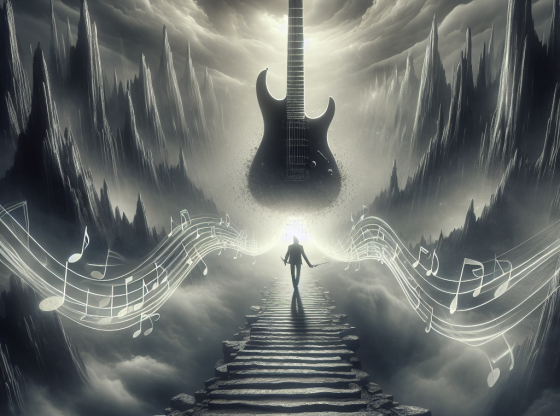
“Defiant Rhythms: A Journey Through Metal and Resilience” explores the powerful intersection of heavy metal music and the human spirit’s capacity for resilience. This compelling narrative delves into the genre’s origins, evolution, and its role as a voice for those facing adversity. Through personal stories, interviews with influential artists, and an examination of iconic albums, the book highlights how metal serves not only as a form of artistic expression but also as a source of strength and solidarity for individuals navigating life’s challenges. With themes of empowerment, defiance, and unity, “Defiant Rhythms” celebrates the enduring impact of metal music on both personal and collective journeys of overcoming hardship.
The Evolution of Metal Music: A Defiant Journey
Metal music, with its thunderous riffs and visceral energy, has long been a genre that embodies defiance and resilience. Emerging in the late 1960s and early 1970s, metal can be traced back to bands like Black Sabbath and Led Zeppelin, who pushed musical boundaries and challenged societal norms. This genesis marked not just the birth of a genre but also the beginning of a cultural movement fueled by rebellion and raw emotion. As these pioneers unleashed their powerful sounds upon the world, they forged a path for countless artists to follow, each contributing to the rich tapestry of metal’s evolution.
As the 1970s unfolded, metal began to diversify, giving rise to subgenres that would reflect various aspects of the human experience. The emergence of heavy metal, characterized by its aggressive guitar work and complex arrangements, set the stage for bands such as Iron Maiden and Judas Priest, whose theatrical performances captivated audiences. These groups embraced lyrical themes that explored mythology, war, and personal struggle, resonating deeply with fans seeking an outlet for their own frustrations and desires. In this way, metal became not only a form of entertainment but also a cathartic release, fostering a sense of community among those who felt marginalized or misunderstood.
Transitioning into the 1980s, metal continued to evolve, embracing speed and intensity through the advent of thrash metal. Bands like Metallica and Slayer emerged, bringing a ferocity that was both exhilarating and confrontational. Their music spoke to the disillusionment of a generation grappling with political unrest and social upheaval. With blistering tempos and intricate solos, these artists challenged conventional notions of musicianship while simultaneously addressing pressing issues of the time. It was during this decade that metal solidified its reputation as a rebellious force, encouraging listeners to question authority and embrace their individuality.
The 1990s saw yet another transformation within the metal landscape, as genres such as grunge and nu-metal began to blur the lines between styles. Bands like Korn and Linkin Park incorporated elements of hip-hop and alternative rock, reflecting a more introspective approach to songwriting. This shift allowed metal to resonate with new audiences, drawing in those who may have previously felt alienated by traditional heavy metal’s bravado. Despite these changes, the underlying themes of resilience and defiance remained ever-present, as artists grappled with personal struggles, mental health, and societal expectations.
As we ventured into the new millennium, metal’s evolution showed no signs of slowing down. The rise of metalcore and progressive metal introduced intricate compositions and emotional depth, allowing musicians to explore even more diverse soundscapes. Bands like Opeth and Killswitch Engage melded melodic elements with aggressive instrumentation, creating a sonic experience that mirrored the complexities of modern life. This era further emphasized the notion that metal is not merely a genre but a versatile language through which artists express their innermost thoughts and feelings.
In recent years, metal has continued to thrive, branching out into numerous subgenres and collaborations that challenge the status quo. From symphonic metal to blackened death metal, today’s artists are unafraid to experiment, pushing the boundaries of creativity while remaining steadfast in their commitment to authenticity. As we reflect on the journey of metal music—a journey steeped in defiance and resilience—we recognize that it remains a vital force in the cultural landscape, inspiring generations to stand strong against adversity and celebrate the power of self-expression. Through every riff and lyric, metal continues to echo the indomitable spirit of those who dare to rebel, reminding us all that our voices matter in the grand symphony of life.
Resilience in Lyrics: Exploring Themes of Strength in Metal
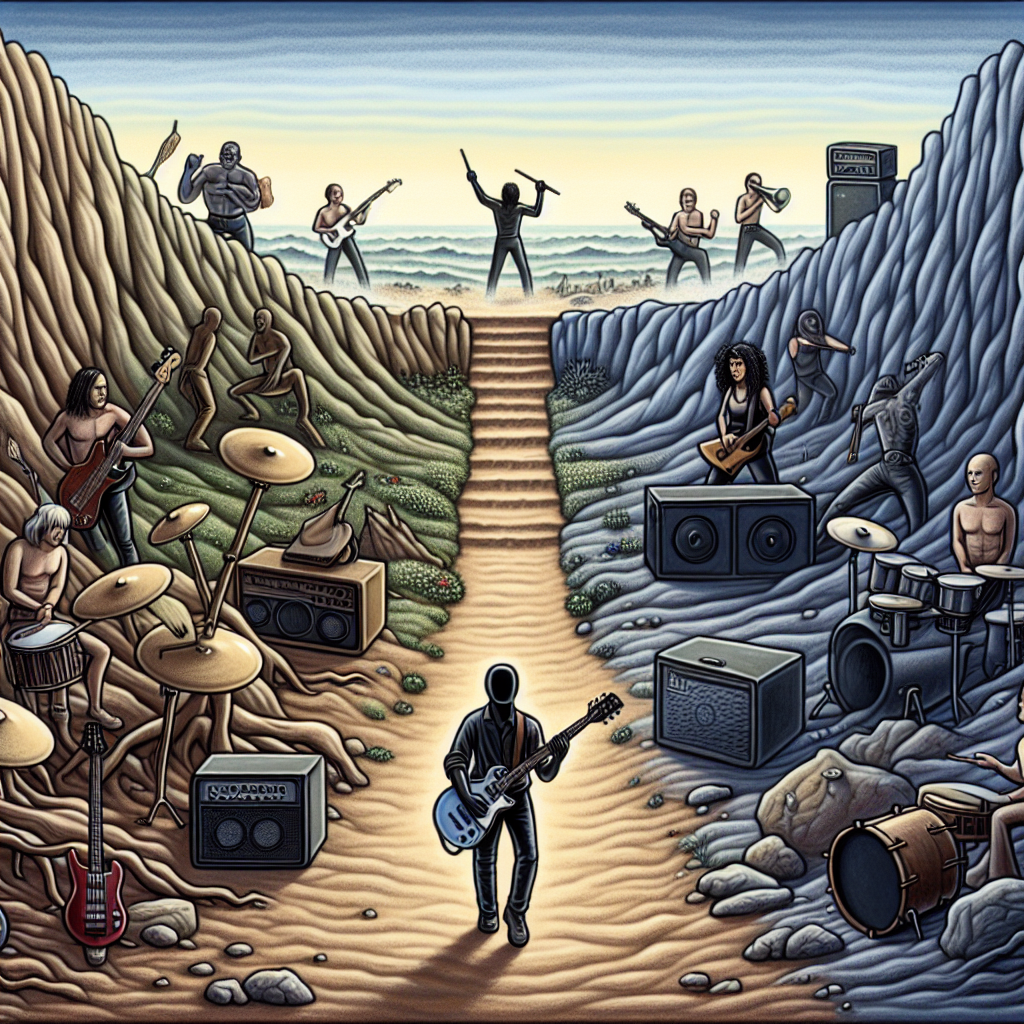
In the world of metal music, resilience emerges as a powerful theme woven intricately into its very fabric. The genre is often characterized by thunderous riffs and guttural vocals that evoke a sense of primal energy, yet beneath this ferocity lies a profound exploration of human strength and perseverance. Metal lyrics frequently delve into personal struggles, societal challenges, and existential dilemmas, offering listeners not just an auditory experience but also a narrative of triumph over adversity.
As we journey through the labyrinth of metal’s lyrical landscapes, we encounter a plethora of artists who articulate their battles with raw authenticity. For instance, many songs reflect on themes of overcoming heartbreak, addiction, or loss, transforming pain into a source of empowerment. Bands like Slipknot and Trivium craft verses that resonate deeply with those navigating their own tumultuous paths. Their words serve as both a mirror and a balm, allowing fans to confront their vulnerabilities while simultaneously igniting a fire within them to rise above their circumstances. In this way, metal becomes more than mere entertainment; it evolves into a cathartic release, an anthem for those seeking solace in shared experiences.
Transitioning from individual struggles to broader societal issues, metal music doesn’t shy away from addressing themes such as injustice, war, and oppression. Lyrics often paint vivid pictures of resistance against systemic failures and call for change in a world rife with turmoil. Take the powerful tracks of bands like Rage Against the Machine, where defiance resonates through every note and lyric. Their commitment to social justice serves as a rallying cry, inspiring listeners to stand firm in their beliefs and fight against the odds. This collective spirit of rebellion speaks to the heart of what makes metal so compelling: it champions not only personal resilience but also communal strength.
Moreover, the intricate relationship between vulnerability and strength is beautifully encapsulated in the ballads of metal. Songs like “Fade to Black” by Metallica reveal a deep introspection that showcases the fragility of the human spirit while simultaneously highlighting the courage required to confront despair. Such moments allow listeners to embrace their emotions fully, fostering a connection that transcends mere fandom. It’s here that the romanticism of metal shines brightly—where the darkest themes are intertwined with an unwavering hope for redemption and recovery.
As we explore further, it’s essential to acknowledge how metal has become a sanctuary for those grappling with their identities. Many artists openly share their journeys through mental health struggles, creating an environment where vulnerability is not only accepted but celebrated. The lyrics encourage individuals to express themselves freely, reinforcing the notion that it’s okay to feel lost before finding one’s way back to strength. This nurturing aspect transforms the genre into a community—a space where fans unite under the banner of resilience, drawing strength from one another.
Ultimately, the exploration of resilience within metal lyrics reveals a complex tapestry of emotions, weaving together threads of struggle, defiance, and hope. As listeners immerse themselves in these narratives, they find inspiration not just in the sound but also in the stories told through each verse. Thus, metal transcends its reputation as merely aggressive music; it stands as a testament to the enduring power of the human spirit—a celebration of our ability to rise, time and again, from the ashes of hardship. Through these defiant rhythms, we discover that true strength lies not only in triumphs but also in the willingness to face life’s challenges head-on.
Iconic Metal Bands and Their Impact on Resilience
In the realm of music, few genres embody resilience as powerfully as metal. This genre, characterized by its aggressive sound and profound lyrical themes, has become a sanctuary for those seeking solace in their struggles. Iconic metal bands have not only shaped the landscape of this genre but have also inspired countless individuals to embrace their inner strength and defy the odds. The impact of these bands transcends mere entertainment; it weaves a narrative of perseverance that resonates deeply with fans around the world.
Take, for instance, Metallica, whose evolution from thrash pioneers to global icons is a testament to their indomitable spirit. Their song “Nothing Else Matters” captures an intimate vulnerability while simultaneously serving as an anthem of hope and connection. Through their music, Metallica has encouraged listeners to confront their fears and embrace authenticity, reminding us all that true resilience lies in the acceptance of our vulnerabilities. The band’s journey through personal trials, including the loss of loved ones and battles with addiction, echoes the struggles faced by many, thereby forging a bond between the artists and their audience that transcends generational divides.
Similarly, Black Sabbath stands as a cornerstone of metal’s rich history, with their dark, brooding sound reflecting the complexities of human emotion. Songs like “Iron Man” speak to feelings of alienation and despair, yet they also offer a glimmer of empowerment. By confronting the darker aspects of life, Black Sabbath invites listeners to find strength in adversity. Their legacy serves as a reminder that even in moments of isolation, one can harness the power of music to navigate life’s tumultuous waters. The band’s ability to channel pain into art has paved the way for future generations, inspiring them to transform their own struggles into creative expressions.
As we delve deeper into the fabric of metal, Iron Maiden emerges as another beacon of resilience. Known for their elaborate storytelling and intricate compositions, Iron Maiden’s songs often draw on historical events and mythological themes, inviting listeners to reflect on the lessons of the past. Tracks like “The Trooper” celebrate bravery in the face of overwhelming odds, instilling a sense of courage in those who resonate with its message. Iron Maiden’s enduring popularity speaks volumes about the universal appeal of their music—a rallying cry for those who refuse to be defeated by life’s challenges.
Moreover, bands such as Slayer and Pantera have brought forth raw intensity and unyielding energy that encapsulate the struggle against oppression and societal norms. With blistering riffs and powerful lyrics, they challenge listeners to confront injustice head-on. Their music becomes a cathartic release, empowering fans to stand firm in their beliefs and fight against adversity. This fierce determination is emblematic of the metal community, which fosters a culture of support and solidarity among its members.
Ultimately, the iconic metal bands of our time have crafted a legacy steeped in resilience. Their melodies reverberate with stories of triumph over hardship, encouraging listeners to rise above their circumstances. As fans immerse themselves in the rhythms of metal, they discover not just a soundtrack to their lives but a source of strength that inspires them to forge their paths. In embracing the defiant spirit of metal, one finds a celebration of resilience—a reminder that even in darkness, there exists an undeniable light waiting to break through.
The Role of Community in the Metal Scene: Building Support Through Sound
In the heart of every metal scene lies a vibrant community, pulsating with energy and camaraderie that transcends mere musical appreciation. This intricate web of connections creates a sanctuary for those who find solace in the raw power of heavy riffs and thunderous drums. The allure of metal is not just in its sound but in the shared experiences it fosters among its devotees. As the music blares through dimly lit venues, fans become part of an unbreakable bond, united by their love for a genre that embodies resilience and defiance against societal norms.
Within this community, support manifests in myriad forms. From local shows where bands rise from obscurity to share the stage with established acts, to online forums where fans exchange stories of personal struggles and triumphs, the metal scene thrives on mutual encouragement. It is here that individuals discover they are not alone; others have walked similar paths filled with adversity, and together, they forge a collective strength. The lyrics often reflect these themes of struggle and perseverance, resonating deeply with listeners who find themselves mirrored in the verses sung by their favorite artists.
Moreover, the communal experience of attending concerts amplifies this sense of belonging. In the mosh pit, bodies collide in a chaotic dance, yet there exists an unspoken code of care. When someone falls, hands reach out to lift them back up, embodying the very essence of community spirit. This physical manifestation of support reinforces the idea that metal is more than just music; it is a movement built on solidarity and understanding. Each concert becomes a gathering of souls who, despite their diverse backgrounds, come together as one—a testament to the unifying power of sound.
As friendships blossom within this environment, many find lifelong connections that extend beyond the music itself. Shared passions lead to collaborations, both musically and personally, creating a tapestry of relationships woven together by the threads of shared interests and experiences. Whether it’s forming a band or simply sharing life’s burdens over a pint after a show, these bonds serve as a reminder that the metal community is rooted in empathy and resilience. The laughter exchanged amidst tales of heartbreak and healing resonates like a powerful anthem, echoing the very sentiments found in the lyrics that brought them together in the first place.
Furthermore, the role of community extends into advocacy and social movements within the metal scene. Many musicians use their platforms to address issues such as mental health, addiction, and social justice, rallying their fans around causes that matter. This activism not only raises awareness but also empowers individuals to take action, reinforcing the notion that music can be a catalyst for change. Through benefit concerts and charity events, the metal community showcases its unwavering commitment to supporting one another, proving that the rhythm of resistance beats strongest when played in harmony.
In conclusion, the metal scene is far more than a collection of sounds; it is a living organism fueled by passion, resilience, and unity. Within its depths lies a network of support that nurtures individual growth while celebrating collective identity. As each note reverberates through the air, it carries with it the promise of connection and understanding—an invitation to join a journey marked by defiant rhythms and unwavering solidarity. In this world where darkness often looms, the metal community stands as a beacon of hope, illuminating paths toward healing and empowerment through sound.
Conclusion
“Defiant Rhythms: A Journey Through Metal and Resilience” explores the powerful connection between metal music and the human spirit’s capacity for resilience. It illustrates how the genre serves as both a form of expression and a source of strength for individuals facing adversity. Through personal stories and cultural analysis, the work highlights metal’s ability to unite communities, foster identity, and inspire perseverance in the face of challenges. Ultimately, it underscores that metal is not just music; it is a profound testament to the enduring power of resilience.