
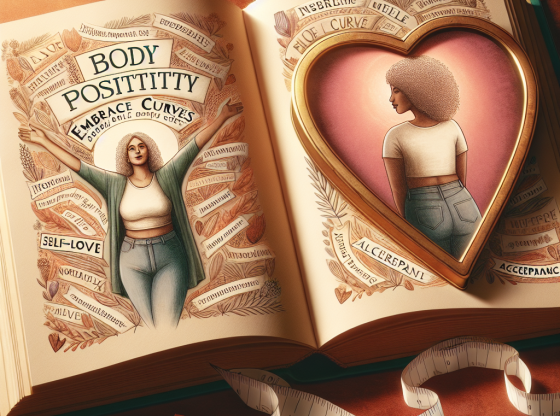
“Embracing Curves: Kate Harding’s Provocative Guide to Body Liberation and Self-Acceptance” is a groundbreaking work that challenges societal norms surrounding body image and beauty standards. In this compelling guide, Harding advocates for the celebration of diverse body shapes and sizes, encouraging readers to reject harmful stereotypes and embrace their natural curves. Through a combination of personal anecdotes, cultural critiques, and practical advice, she empowers individuals to cultivate self-acceptance and redefine their relationship with their bodies. This book serves as both a manifesto for body positivity and a call to action for liberation from oppressive ideals, inviting readers to embark on a journey towards confidence and authenticity.
Body Liberation Through Acceptance
In a world that often celebrates unattainable ideals of beauty, the journey towards body liberation can feel like an uphill battle. Yet, Kate Harding’s provocative guide offers a refreshing perspective on self-acceptance that invites readers to embrace their curves with open arms and an open heart. Rather than conforming to societal expectations, Harding encourages us to redefine our relationship with our bodies, transforming the narrative from one of shame to one of celebration.
At the core of Harding’s philosophy lies the belief that acceptance is not merely a passive state but an active choice—a revolutionary act in itself. By choosing to accept our bodies as they are, we begin to dismantle the internalized messages that have long dictated our self-worth. This shift in mindset fosters a deeper appreciation for our unique forms, allowing us to see beauty where we once perceived flaws. As we navigate this path, it becomes clear that true liberation arises not from altering our physical appearance but from embracing it wholeheartedly.
Moreover, the concept of body liberation extends beyond personal acceptance; it also encompasses a collective movement toward inclusivity and diversity. Harding emphasizes that every body deserves love and respect, regardless of its size or shape. In doing so, she challenges us to confront the pervasive stigma surrounding larger bodies and encourages society to celebrate all forms of beauty. By amplifying diverse voices and experiences, we create a tapestry of narratives that reflect the richness of human existence, thereby fostering a culture of compassion and understanding.
As we delve deeper into the idea of acceptance, it becomes evident that this journey requires vulnerability. It asks us to shed the armor we’ve built around ourselves—the protective layers forged by years of criticism and comparison. In embracing our curves, we also confront the fears and insecurities that have held us captive. This process may be daunting, yet it is within this vulnerability that we discover profound strength. Each moment spent honoring our bodies is a step toward reclaiming our power, inviting us to live authentically and unapologetically.
Furthermore, Harding’s insights remind us that acceptance is not a destination but an ongoing practice. Just as the tides ebb and flow, so too will our feelings about our bodies. There will be days when self-doubt creeps in, whispering familiar tales of inadequacy. However, it is essential to remember that these thoughts do not define us. Instead, we must cultivate resilience and gentleness towards ourselves, recognizing that self-love is a journey marked by both triumphs and setbacks. By nurturing this compassionate approach, we allow room for growth and healing.
Ultimately, Harding’s call for body liberation through acceptance resonates deeply in today’s landscape, where authenticity is increasingly valued. As we learn to cherish our curves, we pave the way for future generations to embrace their own bodies without hesitation or fear. The road to self-acceptance may be fraught with challenges, but it is illuminated by the promise of liberation—an invitation to revel in the beauty of our individuality. By choosing to honor ourselves fully, we embark on a transformative journey that transcends mere aesthetics, leading us toward a more profound connection with ourselves and the world around us. Embracing our curves becomes not just a personal victory but a powerful statement of defiance against a culture that seeks to diminish us. Through acceptance, we find freedom, joy, and ultimately, love for who we truly are.
The Impact of Media on Body Image
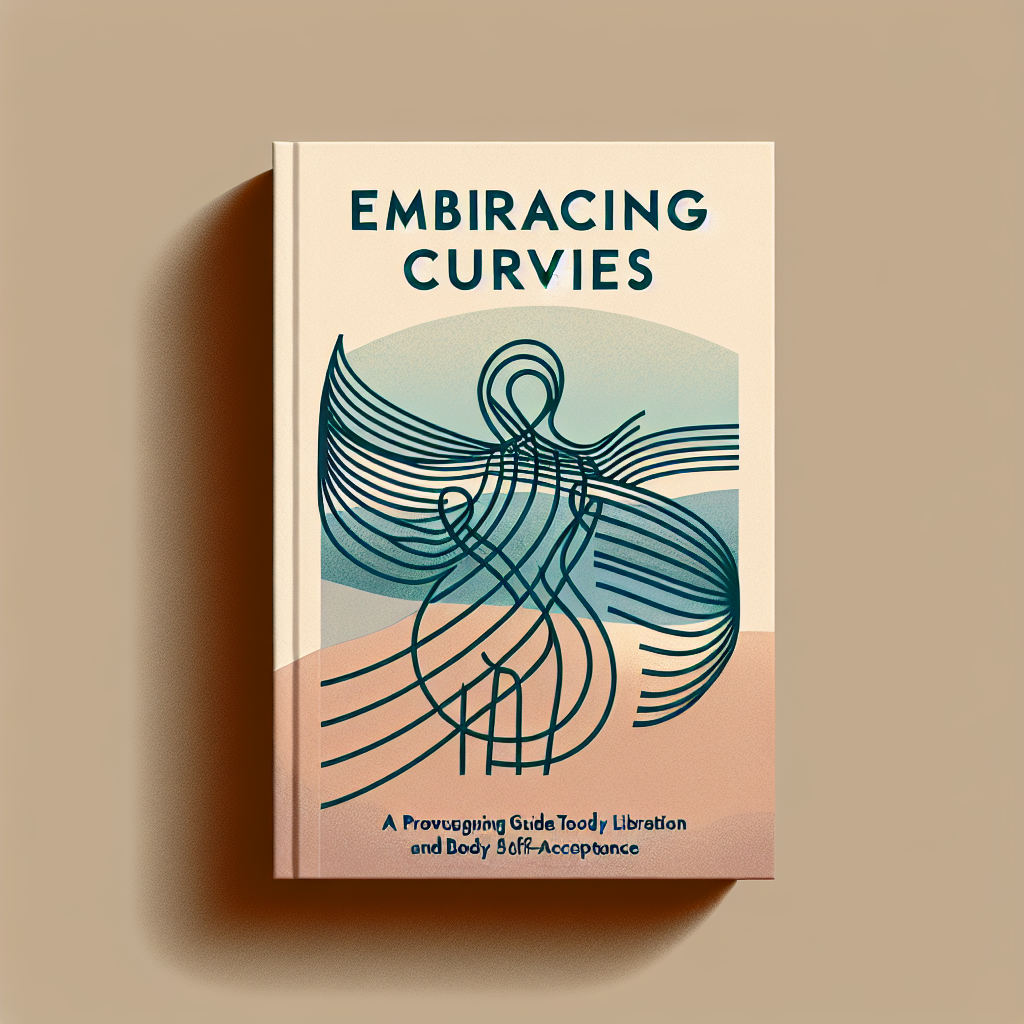
In a world where the media relentlessly bombards us with images of idealized bodies, it is essential to explore the profound impact this has on our self-image and societal standards. Kate Harding’s provocative guide to body liberation and self-acceptance serves as both a beacon of hope and a rallying cry for those yearning to break free from these constrictive ideals. As we delve into the intricate relationship between media representations and body image, it becomes clear that recognizing and challenging these narratives is vital for embracing our authentic selves.
The pervasive nature of media, from glossy magazines to social media platforms, creates an environment where unrealistic beauty standards thrive. These curated portrayals often celebrate only one type of body—slim, toned, and perpetually youthful—while rendering countless others invisible. Consequently, individuals who do not conform to this narrow definition may experience feelings of inadequacy, leading them down a path fraught with self-doubt and negative body image. Harding poignantly illustrates how these external pressures can seep into our subconscious, shaping our perceptions and influencing our behaviors in ways that are often subtle yet insidious.
Moreover, the constant comparison fostered by media consumption complicates the journey toward self-acceptance. Social media, in particular, magnifies this phenomenon, presenting an endless stream of filtered perfection that encourages users to evaluate their worth against unattainable benchmarks. In this digital age, where likes and shares have become measures of validation, the quest for approval can overshadow the intrinsic value of individuality. Harding urges readers to recognize this cycle and reclaim their narrative by cultivating a sense of agency over their bodies and choices. By doing so, they can begin to dismantle the toxic beliefs instilled by society and foster a more compassionate relationship with themselves.
Transitioning from awareness to action, Harding emphasizes the importance of diversifying our media consumption. By seeking out voices and representations that celebrate a wide array of body types, we can challenge the monolithic beauty standards that dominate mainstream culture. This shift not only empowers marginalized bodies but also enriches our understanding of beauty itself. Embracing diverse narratives allows us to appreciate the myriad forms that beauty can take and reinforces the notion that every body deserves love and respect, regardless of its shape or size.
Furthermore, Harding highlights the role of critical thinking in navigating media messages about body image. It is crucial to approach content with a discerning eye, questioning the motivations behind certain portrayals and recognizing the underlying agendas at play. By developing this critical lens, we can better protect ourselves from harmful influences while simultaneously advocating for more inclusive representations in media. This proactive stance fosters a culture of acceptance, encouraging others to join the movement towards body liberation.
Ultimately, the path to self-acceptance is not linear; it requires patience, resilience, and a willingness to confront uncomfortable truths. Yet, as Harding eloquently articulates, embracing our curves and imperfections is a revolutionary act of love—not just for ourselves but for those around us. By forging connections rooted in authenticity, we contribute to a collective shift towards a more compassionate understanding of body image. In this shared journey, we find solace in knowing that we are not alone, and together we can redefine what it means to truly embrace our bodies in all their glorious diversity.
Celebrating Curves: Personal Stories and Experiences
In a world often dominated by narrow definitions of beauty, the celebration of curves emerges as a powerful movement that transcends mere aesthetics, inviting individuals to embrace their bodies in all their glorious forms. Kate Harding’s provocative guide to body liberation and self-acceptance serves not only as a manifesto for change but also as a collection of personal stories that resonate with many who have felt marginalized by societal standards. Through these narratives, we are reminded that every curve tells a story, each one steeped in unique experiences and emotions.
As readers delve into the pages of Harding’s work, they encounter voices that echo their own struggles and triumphs. One such narrative comes from a woman named Sarah, who recalls her journey toward self-love amidst years of feeling inadequate due to her size. Growing up in a society that idolizes thinness, she grappled with feelings of shame and unworthiness, believing that her worth was tied solely to her appearance. However, through moments of vulnerability shared among friends and the embrace of a supportive community, Sarah began to redefine her understanding of beauty. She learned to celebrate the softness of her body, recognizing that her curves were not something to be hidden or altered but rather cherished as part of her identity. This transformation did not happen overnight; it was a gradual awakening marked by incremental changes in perspective, leading her to appreciate the strength and resilience encapsulated within her form.
Transitioning from personal struggle to communal empowerment, Harding’s guide highlights how collective storytelling fosters an environment where individuals can feel seen and valued. For instance, another contributor, Maria, shares her experience at a body-positive retreat, where women of diverse shapes gathered to share their journeys. In this safe space, they exchanged stories of pain and joy, revealing how the weight of societal expectations had burdened them for far too long. The retreat became a sanctuary for healing, where laughter intertwined with tears, and each woman left with a renewed sense of purpose and acceptance. Through these interactions, participants discovered that their curves were not just physical attributes but symbols of their lived experiences—each curve representing resilience, joy, and the beautiful complexity of being human.
Moreover, as we navigate through Harding’s insights, it becomes evident that embracing curves is intricately linked to challenging the status quo. Each story adds to a rich tapestry of resistance against unrealistic beauty standards perpetuated by media and culture. In doing so, individuals like Emma, who once avoided mirrors out of fear, find themselves standing proudly before their reflections, celebrating the fullness of their figures. Her experience underscores a pivotal realization: that self-acceptance is not merely about loving oneself despite imperfections but rather about recognizing that those perceived flaws contribute to one’s uniqueness.
Ultimately, the act of celebrating curves is more than a rebellion against conventional ideals; it is an invitation to cultivate love for oneself and others. Through Harding’s lens, we learn that every curve tells a tale—a testament to the human spirit’s ability to rise above adversity and embrace authenticity. As these personal stories intertwine, they create a chorus of affirmation that encourages us all to honor our bodies, revel in our differences, and cherish the vibrant diversity that defines our existence. In this celebration lies the essence of body liberation: an unwavering commitment to love ourselves wholly, unapologetically, and beautifully.
Strategies for Cultivating Self-Love and Confidence
In a world that often idolizes unattainable beauty standards, embracing one’s curves can feel like an act of rebellion. Kate Harding’s provocative guide to body liberation and self-acceptance offers a transformative journey toward cultivating self-love and confidence. It invites individuals to break free from the shackles of societal expectations and embrace their unique bodies with open arms and hearts. This journey begins with the acknowledgment that each curve tells a story, a narrative woven through experiences, emotions, and personal growth.
To cultivate self-love, it is essential to shift the focus from external validation to internal acceptance. By nurturing a positive relationship with oneself, individuals can begin to appreciate their bodies as they are, rather than how they believe they should be. One effective strategy is practicing mindfulness. Engaging in mindful meditation allows individuals to connect with their bodies on a deeper level, fostering an appreciation for every inch and contour. As one becomes more attuned to their physical presence, it becomes easier to silence the critical inner voice that often undermines self-esteem.
Moreover, surrounding oneself with positivity plays a crucial role in reinforcing this newfound love. Curating a social media feed filled with body-positive influencers and supportive communities can create an empowering environment. These platforms serve as a reminder that beauty exists in all forms, encouraging individuals to celebrate their curves alongside others who share similar journeys. In this digital age, where comparison can be detrimental, finding solace in uplifting narratives can inspire confidence and foster a sense of belonging.
Another powerful strategy involves redefining the language used when discussing one’s body. Words hold immense power; thus, opting for affirmations over criticisms can significantly impact one’s self-perception. Instead of lamenting perceived flaws, individuals can practice daily affirmations that highlight their strengths and unique attributes. Phrases such as “I am beautiful just as I am” or “My body deserves love and respect” can gradually reshape the way one views themselves. Over time, these affirmations become ingrained in the psyche, paving the way for genuine self-acceptance.
Engaging in activities that promote physical well-being also enhances self-confidence. Whether it’s dancing, yoga, or simply taking long walks in nature, moving the body joyfully fosters a sense of empowerment. When individuals engage in movement that feels good, they not only honor their bodies but also cultivate a deeper connection with themselves. This celebration of physicality transcends mere aesthetics, allowing individuals to revel in the sheer joy of being alive and present in their own skin.
Ultimately, the path to self-love and confidence is not linear; it requires patience and compassion. Embracing curves means acknowledging that imperfections are part of the human experience. Each person’s journey is uniquely theirs, filled with ups and downs, moments of doubt interspersed with bursts of clarity. Therefore, it is essential to extend kindness to oneself during challenging times. By recognizing that everyone grapples with insecurities, individuals can find solace in shared experiences, fostering a sense of community that uplifts rather than diminishes.
As Kate Harding eloquently illustrates, embracing curves is about more than just accepting one’s body; it is about liberating oneself from the constraints imposed by society. Through strategies rooted in mindfulness, positive reinforcement, joyful movement, and communal support, individuals can embark on a romantic journey towards self-love and confidence—a journey that celebrates every curve as a testament to resilience and beauty.
Conclusion
“Embracing Curves: Kate Harding’s Provocative Guide to Body Liberation and Self-Acceptance” advocates for the acceptance of diverse body types and challenges societal beauty standards. Harding emphasizes the importance of self-love, dismantling harmful narratives around weight and appearance, and promotes a culture that celebrates all bodies. The conclusion highlights that true liberation comes from recognizing one’s worth beyond physical attributes and encourages readers to embrace their individuality as a path to empowerment and fulfillment.