
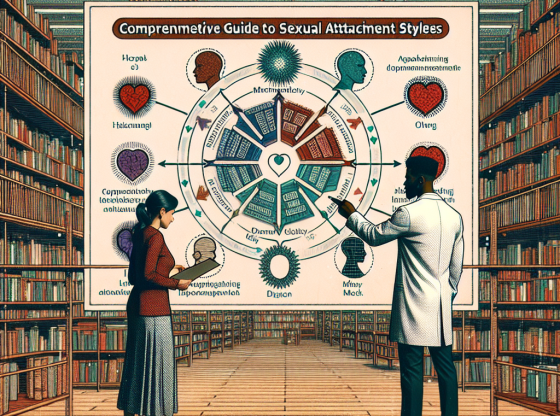
Exploring the Concept of Sexual Attachment Styles: A Comprehensive Guide
Sexual attachment styles are a crucial facet of human relationships, influencing how individuals connect and interact on an intimate level. Rooted in psychological theories of attachment originally developed by John Bowlby, these styles extend beyond early childhood bonds to encompass adult romantic and sexual relationships. This comprehensive guide delves into the various sexual attachment styles—secure, anxious, avoidant, and disorganized—examining their origins, characteristics, and impacts on intimacy and sexual behavior. By understanding these styles, individuals can gain valuable insights into their own relational patterns, fostering healthier and more fulfilling connections with their partners.
Understanding The Basics: An Introduction To Sexual Attachment Styles
Sexual attachment styles, a concept rooted in psychological research, offer profound insights into how individuals form intimate connections. Understanding these styles can illuminate the patterns that shape our romantic relationships, helping us navigate the complex dance of love and intimacy with greater awareness and empathy.
At the heart of sexual attachment theory lies the idea that early experiences with caregivers influence our adult romantic behaviors. These foundational interactions create internal models that guide how we perceive and respond to intimacy. Just as a child learns trust and security from a nurturing parent, adults carry forward similar patterns into their sexual relationships. Recognizing these styles can enhance our understanding of ourselves and our partners, fostering deeper emotional connections.
The secure attachment style is characterized by comfort with closeness and an ability to balance intimacy with independence. Individuals with this style tend to have a positive view of themselves and others, facilitating healthy, fulfilling sexual relationships. They are open to giving and receiving affection, creating a harmonious blend of physical and emotional intimacy. This mutual exchange often leads to stable, satisfying partnerships where both parties feel valued and understood.
Conversely, those with an anxious attachment style may experience heightened sensitivity to their partner’s actions, often seeking constant reassurance and validation. This need for affirmation can stem from inconsistent caregiving in childhood, leading to fears of abandonment in adulthood. In sexual relationships, this manifests as a desire for frequent intimacy and a deep-seated concern about their partner’s commitment. While their passion can be intense and consuming, it may also lead to cycles of dependency and insecurity if not managed with self-awareness and communication.
On the other hand, avoidant attachment styles are marked by a tendency to maintain emotional distance, prioritizing self-reliance over vulnerability. Individuals with this style might have learned early on that reliance on others is fraught with disappointment, prompting them to guard their emotions closely. In the realm of sexual relationships, they might engage physically but keep an emotional barrier, often feeling overwhelmed by too much closeness. Understanding this style involves recognizing the delicate balance between independence and connection, finding ways to foster intimacy without triggering discomfort or withdrawal.
A fourth category, known as disorganized attachment, combines elements of both anxious and avoidant styles. Those who exhibit this pattern may oscillate between seeking closeness and pushing it away, driven by unresolved trauma or loss. Their sexual relationships can be tumultuous, characterized by unpredictable shifts in behavior and emotions. Healing within such dynamics requires patience, compassion, and often professional support to address underlying issues and build healthier attachment patterns.
Exploring sexual attachment styles opens a window into the intricate interplay of our past and present selves. By identifying our own attachment tendencies, we can better understand our needs and responses in intimate relationships. Moreover, discussing these concepts with our partners can pave the way for more empathetic and supportive connections. It allows couples to recognize each other’s triggers and strengths, fostering a partnership grounded in mutual respect and understanding.
Ultimately, the journey through sexual attachment styles is one of self-discovery and relational growth. It invites us to reflect on our histories, embrace our vulnerabilities, and cultivate deeper bonds with those we love. Through this lens, we see that love is not just an emotion but a dynamic process shaped by our earliest experiences and ongoing interactions. With this knowledge, we can approach our relationships with a sense of curiosity and openness, ready to create lasting, meaningful connections that nourish both body and soul.
How Childhood Experiences Shape Adult Sexual Attachment Styles

The intricate tapestry of human relationships is woven with threads that often trace back to our earliest experiences. Our childhood, a time when we are most impressionable, plays a significant role in shaping who we become as adults. This profound connection extends into the realm of sexual attachment styles, a concept that delves into how early interactions and bonds influence our intimate relationships later in life.
From the moment we are born, we begin forming attachments with our primary caregivers. These initial connections serve as the blueprint for our future emotional and relational patterns. For instance, a child who receives consistent warmth and responsiveness from their caregiver is likely to develop a secure attachment style. This sense of security fosters a belief that they are worthy of love and capable of forming healthy, trusting relationships. As adults, these individuals tend to approach intimacy with confidence, open communication, and a balanced view of dependence and independence.
Conversely, children who experience neglect or inconsistent caregiving may develop an anxious or avoidant attachment style. Anxious attachment arises when a child’s needs are met unpredictably, leading to heightened sensitivity to rejection and a constant quest for reassurance. In adulthood, this can manifest as clinginess, jealousy, and a deep-seated fear of abandonment within romantic relationships. The yearning for closeness often clashes with an underlying anxiety about being unlovable or inadequate.
On the other hand, avoidant attachment stems from caregivers who are emotionally distant or dismissive. Such children learn to suppress their needs and emotions, believing that reliance on others will lead to disappointment. As adults, they might struggle with intimacy, preferring independence over vulnerability. This detachment can create barriers to deep emotional connections, often leaving partners feeling undervalued or misunderstood.
Transitional moments in childhood also play a pivotal role in shaping sexual attachment styles. Events such as parental divorce, trauma, or the introduction of new family dynamics can significantly impact a child’s perception of relationships. A stable and nurturing environment can mitigate some of these effects, fostering resilience and adaptability. However, prolonged exposure to instability can reinforce maladaptive attachment patterns, complicating adult romantic endeavors.
Understanding the roots of our sexual attachment styles offers valuable insights into our behaviors and preferences within intimate relationships. It allows us to recognize patterns that may be hindering our ability to form fulfilling connections. By reflecting on our childhood experiences, we gain clarity on why we react certain ways to love, intimacy, and commitment. This self-awareness is the first step towards healing and growth.
Therapeutic interventions, such as attachment-based therapy, provide a supportive space to explore these deep-seated issues. Through therapy, individuals can reframe their past experiences, cultivate healthier attachment styles, and ultimately enhance their romantic relationships. Additionally, mindful practices like journaling and meditation can foster greater emotional regulation and self-compassion, further aiding personal development.
In essence, our childhood experiences cast long shadows over our adult lives, particularly in the domain of sexual attachment styles. Yet, by embracing this understanding with compassion and curiosity, we can transform our relational patterns. Love, after all, is not just about finding the right person but becoming the right person—someone capable of giving and receiving love freely and wholeheartedly. As we navigate the delicate dance of intimacy, let us remember that each step we take towards self-awareness brings us closer to the harmonious connections we desire.
The Impact Of Secure, Anxious, And Avoidant Attachment Styles On Relationships
In the intricate dance of love and intimacy, understanding sexual attachment styles can be a guiding light to deeper connections and more fulfilling relationships. The concept of attachment styles, rooted in early childhood experiences and later extended into adult romantic bonds, plays a pivotal role in how individuals relate to their partners. As we delve into the impact of secure, anxious, and avoidant attachment styles on relationships, it becomes evident that these patterns influence not only emotional intimacy but also sexual dynamics.
A secure attachment style is often seen as the ideal foundation for any relationship. Individuals with this attachment style tend to feel comfortable with intimacy and are generally able to balance closeness and independence. This security fosters an environment where both partners can explore their desires without fear of judgment or rejection. Sexual interactions in such relationships are typically characterized by mutual trust and open communication, allowing for a profound connection that transcends mere physical pleasure. These couples often find themselves in sync, creating a harmonious blend of emotional and sexual satisfaction.
Transitioning from the realm of secure attachment, we encounter those with an anxious attachment style. People with this style often crave intimacy but simultaneously harbor fears of abandonment and rejection. This anxiety can manifest in various ways within a sexual context. For instance, they might seek frequent reassurance through physical affection, using sex as a means to validate their partner’s commitment. While this can lead to passionate encounters fueled by intense emotions, it may also result in a cycle of dependency and insecurity. The key challenge here lies in finding a balance where both partners feel valued and understood, rather than overwhelmed by the constant need for affirmation.
On the other end of the spectrum lies the avoidant attachment style. Individuals with this style often prioritize self-reliance and may view intimacy as a threat to their autonomy. In relationships, they might struggle with vulnerability, leading to a detachment that extends into their sexual lives. Avoidant individuals may appear distant or uninterested, which can create a barrier to genuine connection. However, beneath this exterior lies a deep-seated fear of being engulfed or losing oneself in the relationship. Understanding this underlying fear is crucial for partners seeking to bridge the gap and foster a sense of safety and acceptance.
Despite the challenges posed by anxious and avoidant attachment styles, it is important to remember that awareness and effort can lead to growth and transformation. Couples can work together to recognize and address their attachment-related behaviors, fostering healthier dynamics over time. Communication emerges as a vital tool in this process, enabling partners to express their needs and concerns openly.
Moreover, therapy and counseling can offer valuable insights and strategies for navigating these complexities. By exploring past experiences and unpacking the roots of their attachment styles, individuals can gain a deeper understanding of themselves and their partners. This journey of self-discovery paves the way for more authentic connections, where each person feels seen, heard, and cherished.
In conclusion, the impact of secure, anxious, and avoidant attachment styles on relationships is profound and multifaceted. Each style brings its own set of strengths and challenges, shaping the way individuals experience love and intimacy. Through patience, empathy, and a willingness to grow together, couples can transcend these patterns, creating a tapestry of connection that is rich, vibrant, and deeply satisfying.
Strategies For Improving Relationship Satisfaction Through Understanding Sexual Attachment Styles
Understanding sexual attachment styles can be a transformative journey in enhancing relationship satisfaction. By delving into these intricate patterns, couples can uncover the roots of their emotional and physical connections, fostering a deeper sense of intimacy and fulfillment. Sexual attachment styles are fundamentally shaped by early life experiences and influence how individuals approach intimacy, desire, and connection within romantic relationships.
One key strategy to improve relationship satisfaction is recognizing your own sexual attachment style as well as that of your partner. There are generally three types: secure, anxious, and avoidant. Those with a secure attachment style often feel comfortable with intimacy and are able to balance closeness and independence effectively. In contrast, individuals with an anxious attachment style may crave intimacy but fear abandonment, leading to heightened sensitivity and dependency on their partner’s validation. Meanwhile, those with an avoidant attachment style might struggle with intimacy, valuing self-sufficiency to the point where they distance themselves emotionally and sexually from their partners.
Communication stands at the heart of addressing and harmonizing these different attachment styles. By openly discussing desires, fears, and boundaries, couples create a safe space where both parties feel valued and understood. For example, if one partner has an anxious attachment style, expressing reassurance and consistency can help alleviate their fears. Conversely, understanding the needs for space and autonomy in a partner with an avoidant attachment style can prevent feelings of being overwhelmed or suffocated.
Another effective strategy involves engaging in activities that build trust and security within the relationship. This could include setting aside regular time for meaningful conversations, sharing experiences that foster mutual enjoyment, or even exploring new facets of intimacy together. By doing so, couples reinforce their bond and create a reservoir of positive interactions that buffer against conflicts and misunderstandings.
Incorporating mindfulness practices can also play a significant role in improving relationship satisfaction. Mindfulness encourages individuals to stay present and attuned to their own emotions and sensations, as well as those of their partner. This heightened awareness can lead to more empathetic responses during moments of vulnerability or tension, allowing couples to navigate challenges with greater compassion and patience.
Moreover, seeking professional guidance through therapy or counseling can provide valuable insights and tools tailored to each couple’s unique dynamics. Therapists specializing in attachment theory can offer strategies to reframe negative patterns and promote healthier ways of connecting. They can guide couples through exercises designed to enhance emotional and sexual intimacy, ultimately contributing to a more satisfying and resilient relationship.
Lastly, cultivating a culture of appreciation and gratitude within the relationship cannot be overstated. Regularly acknowledging and celebrating each other’s strengths and efforts fosters a positive emotional climate. Simple gestures such as affectionate touch, words of affirmation, or acts of kindness can significantly bolster the emotional connection between partners.
In conclusion, understanding and addressing sexual attachment styles is not just about resolving conflicts; it’s about deepening the emotional and physical bonds that make relationships truly fulfilling. By embracing open communication, building trust, practicing mindfulness, seeking professional support, and nurturing appreciation, couples can transform their relationship into a source of profound joy and satisfaction. Through these strategies, love becomes not just a fleeting emotion but a lasting, enriching experience that both partners cherish and sustain.
Conclusion
In conclusion, exploring the concept of sexual attachment styles reveals a complex interplay between emotional bonds and sexual behavior. Understanding these styles—secure, anxious-preoccupied, dismissive-avoidant, and fearful-avoidant—provides valuable insights into how individuals form and maintain intimate relationships. A comprehensive guide on this topic can aid in recognizing patterns that influence sexual satisfaction and relationship dynamics, ultimately fostering healthier and more fulfilling connections. By addressing underlying attachment issues, individuals and couples can work towards improved communication, trust, and intimacy in their relationships.