

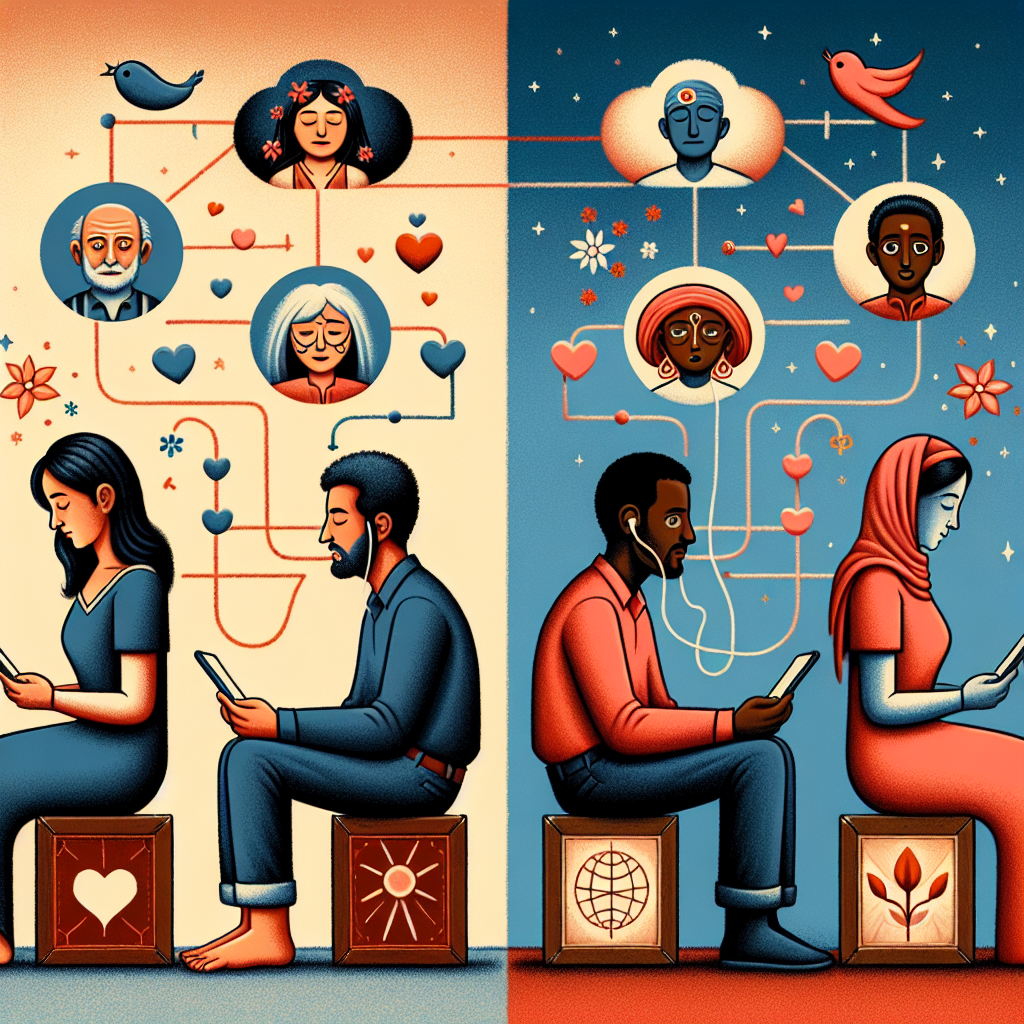
The advent of technology has revolutionized the way we interact, communicate, and maintain relationships. From instant messaging to video calls, social media platforms to dating apps, technology offers numerous tools that facilitate connection and engagement. However, alongside its many benefits, technology also presents challenges that can impact relationships negatively. This exploration delves into both the positive and negative effects of technology on relationships, examining how digital advancements enhance connectivity while also potentially fostering issues such as decreased face-to-face interaction, misunderstandings, and dependency. By understanding these dynamics, we can better navigate the complexities of modern relationships in a tech-driven world.
The Impact of Social Media on Romantic Relationships
In the modern age, social media has become an integral part of our daily lives, profoundly influencing how we connect with others, including romantic partners. The advent of platforms such as Facebook, Instagram, and Twitter has revolutionized the way couples communicate, share experiences, and express affection. On one hand, social media offers numerous benefits that can enhance romantic relationships. It provides a convenient medium for staying in touch, especially for long-distance couples who rely on messages, video calls, and shared posts to bridge the gap between them. Sharing photos, tagging each other in posts, and publicly celebrating anniversaries or special moments can also create a sense of closeness and mutual appreciation.
Furthermore, social media allows couples to express their love and commitment in creative ways. Personalized posts, heartfelt messages, and curated playlists can serve as digital love letters, adding a layer of romance to everyday interactions. These public displays of affection can reinforce the bond between partners, making them feel valued and cherished. Additionally, the ability to document and revisit memories through shared content can help couples reflect on their journey together, fostering a deeper connection over time.
However, despite these advantages, social media also presents challenges that can strain romantic relationships. One significant issue is the potential for misunderstandings and miscommunications. The lack of non-verbal cues in online interactions can lead to misinterpretations, causing unnecessary conflicts. For instance, a partner might misconstrue a delayed response or a seemingly indifferent comment, leading to feelings of neglect or insecurity. Moreover, the curated nature of social media profiles often creates unrealistic expectations. Constant exposure to idealized portrayals of other couples can foster comparisons and dissatisfaction within one’s own relationship, undermining self-esteem and trust.
Privacy concerns are another critical aspect to consider. While sharing aspects of a relationship online can be endearing, it also opens the door to unwanted scrutiny and judgment from others. Couples may feel pressured to maintain a façade of perfection, which can be exhausting and detrimental to genuine intimacy. Additionally, the temptation to check up on a partner’s online activities can breed jealousy and suspicion. The ease of accessing information about ex-partners or potential rivals can exacerbate insecurities and erode trust.
Moreover, excessive use of social media can detract from quality time spent together. When partners prioritize scrolling through feeds or responding to notifications over meaningful conversations or shared activities, it can create a sense of disconnection. The constant influx of information and distractions can make it challenging to fully engage with each other, diminishing the depth of emotional intimacy.
Despite these drawbacks, it is important to recognize that social media itself is not inherently harmful to romantic relationships. Rather, its impact largely depends on how couples choose to navigate its complexities. Establishing boundaries around social media usage, prioritizing face-to-face interactions, and maintaining open communication can mitigate many of the negative effects. By being mindful of each other’s needs and vulnerabilities, couples can harness the positive aspects of social media while safeguarding their relationship from its pitfalls.
Ultimately, social media is a double-edged sword in the realm of romance. It holds the potential to both enrich and challenge relationships, depending on how it is used. By embracing its benefits and addressing its challenges thoughtfully, couples can cultivate a balanced and fulfilling connection in the digital age.
How Video Calls Are Changing Long-Distance Relationships
Long-distance relationships have always been challenging, but the advent of video calls has brought a transformative dimension to how couples maintain their connections across miles. The romantic allure of handwritten letters and occasional phone calls has given way to instant visual communication, fundamentally altering the landscape of long-distance love. On one hand, video calls offer an immediacy and intimacy that were previously impossible, allowing partners to share their lives in real-time. Seeing a loved one’s face light up with joy or witnessing their comforting presence during tough times can bridge emotional gaps that words alone often fail to close. This enhanced level of interaction fosters a sense of closeness, making the distance feel less daunting.
Moreover, video calls enable couples to partake in shared activities despite geographical barriers. They can watch movies together, cook simultaneous dinners, or even engage in virtual dates, thereby creating new memories while apart. These shared experiences are crucial for relationship building, as they replicate the everyday interactions that couples in proximity enjoy. Consequently, video calls help preserve the normalcy and routine that are vital for sustaining a healthy relationship.
However, this technological boon is not without its drawbacks. The very convenience of video calls may sometimes lead to over-reliance, where couples might feel pressured to be constantly available. This expectation can become burdensome, especially when differing time zones and busy schedules come into play. The desire to stay connected can inadvertently lead to feelings of guilt or frustration if one partner cannot meet these expectations. Thus, while video calls offer unprecedented access, they also require careful management to ensure that both parties’ needs and boundaries are respected.
Additionally, the quality of interaction via video calls can sometimes fall short of in-person encounters. Non-verbal cues such as touch, scent, and body language play significant roles in communication and bonding. Although seeing each other’s faces is beneficial, it cannot wholly substitute the warmth of a hug or the comfort of holding hands. This limitation can occasionally amplify feelings of loneliness and longing, reminding couples of what they are missing out on rather than alleviating those sentiments.
Furthermore, technical issues such as poor internet connectivity or software glitches can disrupt conversations, leading to misunderstandings or unintentional conflicts. While these interruptions are usually minor, they can accumulate over time, causing unnecessary stress in the relationship. Therefore, it becomes essential for couples to develop patience and resilience to navigate these challenges effectively.
Despite these potential pitfalls, the overall impact of video calls on long-distance relationships leans positively. The ability to see and hear each other at any moment provides an invaluable sense of reassurance and stability. It reaffirms commitment and nurtures emotional bonds, making the waiting period until the next physical reunion more bearable. By complementing traditional means of communication like texting and calling, video calls add a richer layer to the relationship dynamic.
In conclusion, while video calls are revolutionizing long-distance relationships by enhancing emotional connection and enabling shared experiences, they also present unique challenges that couples must address thoughtfully. Balancing the benefits with mindful usage can turn technology into an ally in maintaining love across distances, ultimately fortifying the bond between partners separated by geography but united by heart.
The Role of Technology in Family Communication Dynamics
In the grand tapestry of human connection, technology has woven itself into the very fabric of our lives, transforming how families communicate and interact with one another. As we delve into the role of technology in family communication dynamics, it becomes apparent that this digital revolution has brought both harmony and discord to familial relationships.
On one hand, technology serves as a bridge, uniting family members separated by vast distances. With the advent of smartphones, video calls, and social media platforms, keeping in touch with loved ones has never been easier. Grandparents can witness their grandchildren’s first steps through video chats, siblings can share daily experiences via instant messaging, and parents can stay connected with their children despite hectic schedules. This constant connectivity nurtures a sense of closeness and belonging, even when physical proximity is not possible. It allows for shared moments, virtual celebrations, and the comfort of knowing that a loved one is just a call or message away.
Moreover, technology offers a platform for expression and understanding within families. Social media profiles, blogs, and personal websites provide spaces where individuals can share their thoughts, feelings, and achievements. Family members gain deeper insights into each other’s lives, fostering empathy and emotional support. For instance, a parent reading their teenager’s blog might better understand their struggles and aspirations, leading to more meaningful conversations and stronger bonds.
However, like any double-edged sword, technology also presents challenges that can strain family communication. The omnipresence of digital devices often leads to distractions during family interactions. It’s not uncommon to see family dinners interrupted by the incessant ping of notifications or children engrossed in screens instead of engaging in face-to-face conversations. This intrusion of technology into sacred family time can create a sense of disconnection, where individuals are physically present but emotionally distant.
Additionally, the anonymity and detachment afforded by digital communication can sometimes lead to misunderstandings and conflicts. Text messages and emails lack the nuances of tone and body language, making it easy for intentions to be misinterpreted. A well-meaning comment might come across as curt or insensitive, sparking unnecessary tension among family members. Furthermore, the allure of online personas and virtual worlds can sometimes overshadow real-life relationships, causing individuals to prioritize virtual connections over genuine family interactions.
Despite these challenges, there are ways to harness the positive aspects of technology while mitigating its negative effects on family communication. Establishing boundaries around screen time, such as designated tech-free zones or hours, can help ensure that technology enhances rather than hinders family togetherness. Encouraging open dialogue about the impact of technology on relationships can also foster mutual understanding and cooperation within the family unit.
Ultimately, the role of technology in family communication dynamics is a delicate dance between embracing innovation and preserving the essence of human connection. When used thoughtfully, technology has the potential to strengthen familial bonds, bringing joy and unity to households. By being mindful of its pitfalls and proactively addressing them, families can navigate the digital landscape with grace, ensuring that love and connection remain at the heart of their interactions.
Cybersecurity Concerns and Trust Issues in Modern Relationships
In the modern age, technology has woven itself intricately into the fabric of our daily lives, influencing how we communicate, work, and even love. The advent of smartphones, social media, and instant messaging has revolutionized relationships, bringing with it a mixed bag of blessings and challenges. As couples navigate this digital landscape, cybersecurity concerns and trust issues often emerge as significant factors that can either strengthen or strain their bonds.
At first glance, technology appears to be a boon for relationships, offering myriad ways to stay connected. Long-distance couples can bridge the physical gap through video calls, texts, and shared online experiences. Social media allows partners to share moments and milestones, fostering a sense of closeness despite geographical separation. However, beneath these conveniences lies a complex web of cybersecurity threats that can undermine the very foundation of trust upon which relationships are built.
One of the primary concerns in today’s digital era is the vulnerability of personal information. With data breaches becoming increasingly common, sensitive information such as private messages, photos, and financial details can fall into the wrong hands. This breach of privacy can lead to feelings of insecurity and mistrust between partners. When one partner’s account is hacked, the other may worry about the potential exposure of intimate conversations or images, creating an undercurrent of anxiety that can erode trust over time.
Moreover, the omnipresence of technology means that partners are constantly connected, yet paradoxically, this constant connection can also breed suspicion. The ease with which individuals can communicate with others outside their relationship—whether through social media platforms or dating apps—can lead to jealousy and doubts. A simple “like” on a photo or a seemingly innocuous message from an old friend can spark questions and insecurities. Consequently, partners may find themselves questioning each other’s loyalty, leading to unnecessary conflicts and emotional distance.
Furthermore, technology offers tools that can both help and hinder trust. For instance, location-sharing apps can provide peace of mind by allowing partners to know each other’s whereabouts. Yet, this same feature can be perceived as invasive or controlling if used excessively. The fine line between caring and surveillance becomes blurred, potentially causing resentment and diminishing the sense of mutual respect in the relationship.
To combat these challenges, open communication and mutual understanding are paramount. Couples must establish clear boundaries regarding their use of technology and discuss their comfort levels with sharing personal information online. Trust needs to be nurtured through transparency and honesty; partners should feel free to express their concerns without fear of judgment or retaliation. By doing so, they can create a safe space where both parties feel valued and secure.
Additionally, taking proactive steps to enhance cybersecurity can alleviate some of these concerns. Using strong passwords, enabling two-factor authentication, and being cautious about sharing personal information online are practical measures that can protect against potential threats. Couples who prioritize their digital security demonstrate a commitment to safeguarding their relationship from external intrusions.
Ultimately, while technology presents undeniable advantages for modern relationships, it also introduces complexities that require careful navigation. Cybersecurity concerns and trust issues are integral aspects of this digital journey, demanding attention and effort from both partners. By fostering open dialogue, setting healthy boundaries, and prioritizing cybersecurity, couples can harness the positive aspects of technology while mitigating its potential pitfalls. In doing so, they can build resilient, trusting relationships that thrive in the ever-evolving digital world.
Conclusion
In conclusion, exploring the positive and negative effects of technology on relationships reveals a complex dynamic. On one hand, technology fosters connectivity, facilitates communication across distances, and provides platforms for social interaction, enhancing relationships by keeping people in touch and providing new ways to share experiences. On the other hand, excessive or improper use of technology can lead to issues such as reduced face-to-face interactions, misunderstandings due to lack of non-verbal cues, and potential addiction to digital devices that detract from quality time spent together. Balancing technology usage is essential to harness its benefits while mitigating its drawbacks, ensuring it enhances rather than hinders interpersonal connections.