

Reproductive justice and autonomy encompass a critical intersection of social, political, and economic factors that influence individuals’ rights to make informed choices about their reproductive health. This vibrant spectrum not only addresses access to healthcare services such as contraception and abortion but also considers the broader implications of race, class, gender, and sexuality on reproductive decision-making. By exploring the multifaceted dimensions of reproductive justice, we can better understand how systemic inequalities impact individuals’ abilities to exercise control over their bodies and futures. This exploration highlights the importance of advocacy, education, and policy reform in promoting equitable access to reproductive health resources, ensuring that all individuals can navigate their reproductive journeys with dignity and agency.
The Intersection of Reproductive Justice and Racial Equity
In the intricate tapestry of society, the threads of reproductive justice and racial equity weave together to create a vibrant narrative that speaks to the heart of human dignity and autonomy. At its core, reproductive justice encompasses not only the right to make choices about one’s body but also the broader context in which these choices are made. This concept recognizes that access to reproductive healthcare is deeply influenced by race, class, and socioeconomic status, illuminating the urgent need for an intersectional approach to advocacy.
As we delve deeper into this intersection, it becomes clear that marginalized communities often face barriers that extend far beyond individual choice. The history of systemic racism in healthcare reveals a painful legacy where people of color have been subjected to discrimination, neglect, and exploitation. For instance, Black women disproportionately experience higher rates of maternal mortality compared to their white counterparts, highlighting a stark reality that underscores the necessity of addressing both reproductive health and racial inequity simultaneously. In acknowledging this disparity, we begin to understand how intertwined these issues are, as they reflect a broader pattern of injustice that demands our attention.
Furthermore, the fight for reproductive justice cannot be divorced from the struggles faced by individuals who navigate multiple layers of oppression. For example, Indigenous women often confront unique challenges related to sovereignty over their bodies and cultural practices surrounding reproduction. Their experiences reveal the importance of respecting traditional knowledge while advocating for modern healthcare solutions that honor their rights. Thus, the conversation around reproductive justice must encompass diverse voices and perspectives, ensuring that all narratives are heard and valued.
Transitioning from individual stories to collective action, it becomes evident that community engagement plays a pivotal role in advancing reproductive justice alongside racial equity. Grassroots organizations led by those most affected are at the forefront of this movement, mobilizing resources and fostering solidarity among various groups. These efforts not only amplify marginalized voices but also cultivate a sense of empowerment, encouraging individuals to reclaim their autonomy in a world that has historically sought to silence them. By building coalitions across different racial and ethnic backgrounds, advocates can forge a powerful alliance dedicated to dismantling oppressive systems and promoting equitable access to reproductive healthcare.
Moreover, education serves as a crucial element in bridging the gap between reproductive justice and racial equity. Comprehensive sex education that addresses the specific needs of diverse communities can help dismantle stigmas surrounding reproductive health. When individuals are equipped with knowledge about their bodies and available options, they are better positioned to advocate for themselves and others. This empowerment fosters a culture of informed decision-making, ultimately leading to healthier outcomes for families and communities alike.
As we continue to explore the vibrant spectrum of reproductive justice and racial equity, it is essential to recognize that these movements are not merely theoretical concepts; they embody a deep yearning for freedom and respect. By embracing an inclusive approach that acknowledges historical injustices while striving for a future where everyone has agency over their bodies, we pave the way for a more just society. Ultimately, the intersection of reproductive justice and racial equity invites us to dream of a world where every individual can thrive, free from oppression and full of possibility—a world worth fighting for with passion and commitment.
Understanding Bodily Autonomy in the Context of Reproductive Rights
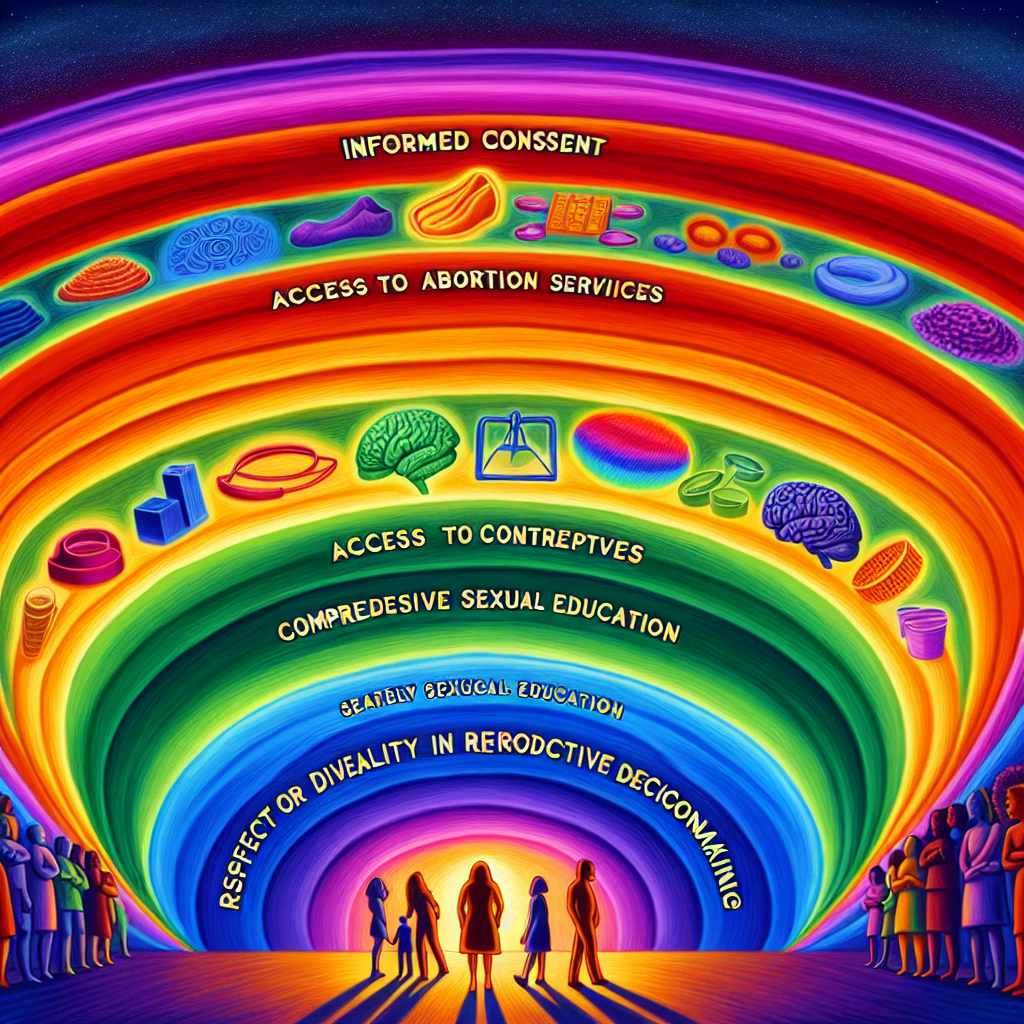
In the intricate tapestry of human rights, bodily autonomy emerges as a profound thread that weaves together the ideals of freedom and dignity. At its core, bodily autonomy signifies an individual’s right to govern their own body, making choices that are intimately personal and deeply reflective of one’s values and beliefs. This concept becomes especially poignant in the realm of reproductive rights, where the stakes are not only about physical health but also encompass emotional well-being, societal roles, and personal identity.
As we delve into this multifaceted issue, it is essential to recognize that understanding bodily autonomy within the context of reproductive rights is akin to appreciating a symphony—each note resonates with the experiences of individuals who navigate the complexities of reproduction. The right to make decisions about one’s body is inherently linked to the broader spectrum of reproductive justice, which advocates for equitable access to healthcare services, comprehensive education, and support systems that empower individuals to make informed choices. In this light, the struggle for reproductive rights transcends mere legislation; it embodies a quest for recognition and respect in a society that has historically marginalized voices.
Transitioning from theory to lived experience, one cannot overlook the emotional weight carried by those who face decisions regarding pregnancy and parenthood. Each choice—from the decision to conceive to the choice of whether to continue a pregnancy—is steeped in personal narratives shaped by cultural, economic, and social factors. These narratives highlight the importance of agency; when individuals possess the power to make informed decisions about their bodies, they engage in a dance of empowerment that reverberates through families and communities. Conversely, when that autonomy is undermined or stripped away, the consequences can be devastating, leading to feelings of helplessness and disenfranchisement.
Moreover, the conversation surrounding bodily autonomy must also embrace the intersectionality inherent in reproductive rights. It is crucial to acknowledge how race, class, gender identity, and sexual orientation intertwine to create unique challenges for different groups. For instance, marginalized communities often face systemic barriers that hinder their access to reproductive healthcare, thereby complicating their ability to exercise bodily autonomy fully. By exploring these intersections, we begin to understand that true reproductive justice demands not just individual freedoms but collective action aimed at dismantling oppressive structures.
As we reflect on the romantic notion of autonomy, it becomes evident that embracing bodily sovereignty is not merely a personal endeavor; it is a shared journey toward liberation. When individuals advocate for their own rights, they simultaneously uplift others, creating a ripple effect that fosters solidarity across diverse communities. This interconnectedness transforms the fight for reproductive rights into a powerful movement rooted in empathy and compassion, where each voice contributes to a harmonious call for justice.
Ultimately, understanding bodily autonomy in the context of reproductive rights illuminates the beauty of choice—the choice to love, to nurture, and to define one’s path. It reminds us that every individual deserves the opportunity to weave their narrative without fear or constraint. As society continues to grapple with these critical issues, let us hold steadfast to the belief that everyone should have the autonomy to shape their destiny, cultivating a world where reproductive justice flourishes as a testament to our shared humanity.
The Role of Community Activism in Advancing Reproductive Justice
In the heart of every thriving society lies a deep-seated commitment to justice, particularly in the realm of reproductive rights. This commitment is beautifully embodied in the vibrant tapestry of community activism that has emerged over the years. Community activists, fueled by passion and determination, serve as the lifeblood of movements advocating for reproductive justice, weaving together individual experiences into a collective narrative that champions autonomy and agency.
As we delve into the role of community activism, it becomes clear that these efforts are not merely about policy changes; they resonate with the very essence of human dignity. Activists understand that reproductive justice encompasses more than just access to healthcare services; it includes the right to make informed choices regarding one’s body, family, and future. Through grassroots organizing, they foster an environment where marginalized voices can be heard, amplifying the stories that often go unnoticed in mainstream discourse.
Moreover, community activism thrives on collaboration and solidarity. By building coalitions among diverse groups—women of color, LGBTQ+ individuals, low-income families, and those living in rural areas—activists create a powerful alliance that transcends boundaries. This interconnectedness nurtures a sense of belonging and shared purpose, reinforcing the idea that reproductive justice is a communal struggle. When individuals come together, their collective strength becomes a formidable force against systemic oppression, challenging the status quo and demanding change.
Transitioning from awareness to action, community activism also plays a crucial role in education and outreach. Through workshops, seminars, and public discussions, activists equip individuals with knowledge about their rights and available resources. This empowerment fosters confidence, encouraging people to advocate for themselves and others. In this romantic dance of sharing information, communities blossom as they learn to navigate the complexities of reproductive health, ultimately leading to informed decisions that honor personal autonomy.
In addition to education, community activism often takes on creative forms of expression, utilizing art, storytelling, and social media to spread messages of hope and resilience. These platforms allow activists to illustrate the emotional weight of reproductive issues, connecting with audiences on a deeper level. By highlighting personal narratives through various mediums, they humanize statistics and policies, inviting empathy and understanding into conversations that may otherwise feel abstract or distant.
Furthermore, the impact of community activism extends beyond immediate gains; it lays the groundwork for long-lasting societal transformation. As activists challenge unjust laws and practices, they ignite broader discussions about equity and justice within healthcare systems. Their tireless efforts inspire new generations to continue the fight for reproductive rights, ensuring that the movement remains dynamic and ever-evolving. The legacy of community activism is thus interwoven with the promise of a brighter future—a future where everyone can exercise their reproductive autonomy without fear or limitation.
Ultimately, the role of community activism in advancing reproductive justice is a testament to the power of love and unity. It reflects a profound belief in the fundamental right to self-determination, echoing the sentiment that everyone deserves the freedom to choose their path. In this vibrant spectrum of activism, each voice contributes to a larger symphony of change, harmonizing aspirations for justice with the unwavering spirit of resilience. As we celebrate these efforts, let us remember that true progress arises not only from legislative victories but from the hearts and hands of those who dare to dream of a world where reproductive justice is a reality for all.
Global Perspectives on Reproductive Autonomy and Justice
In a world that thrives on diversity, the concept of reproductive justice and autonomy emerges as a beautiful tapestry woven from the threads of cultural nuances, historical contexts, and individual aspirations. As we traverse the globe, we encounter various interpretations and implementations of these ideals, each reflecting the unique societal values and challenges faced by different communities. This exploration not only highlights the disparities but also celebrates the resilience and strength found in the quest for reproductive rights.
In many regions, reproductive autonomy is seen as an essential pillar of personal freedom and gender equality. For instance, in parts of Scandinavia, progressive policies have fostered an environment where individuals can make informed choices about their bodies without fear or stigma. The emphasis on comprehensive sex education, accessible healthcare services, and supportive legal frameworks paints a hopeful picture of what reproductive justice can look like when society prioritizes individual agency. Here, the conversation around reproductive rights transcends mere legality; it becomes a matter of respect for human dignity and acknowledgment of one’s right to self-determination.
Conversely, in some areas of the Global South, the struggle for reproductive autonomy is often intertwined with broader socio-economic issues. In countries grappling with poverty, inadequate healthcare infrastructure, and political instability, the fight for reproductive justice can be fraught with obstacles. Yet, amidst these challenges, grassroots movements emerge as powerful agents of change. Women and allies come together, advocating for access to contraceptive methods, safe abortion services, and maternal health care. Their stories reflect not just a yearning for autonomy but a profound desire for equitable opportunities that empower future generations. These narratives resonate with a universal truth: that every person deserves control over their reproductive choices.
Transitioning from local struggles to global dialogues, international organizations play a pivotal role in shaping the discourse surrounding reproductive justice. Initiatives led by entities such as the United Nations advocate for policies that uphold reproductive rights as fundamental human rights. By fostering collaboration among nations, these organizations aim to dismantle barriers and promote shared solutions to common challenges. However, this journey is not devoid of contention; differing cultural beliefs and political ideologies often clash, revealing the complexities inherent in defining reproductive autonomy on a global scale.
Despite these tensions, there exists a growing recognition of the interconnectedness of reproductive justice across borders. Activists worldwide are increasingly aware that their struggles are part of a larger narrative. Social media platforms amplify voices that might otherwise remain unheard, creating a digital landscape where solidarity flourishes. Movements such as #MeToo and #BlackLivesMatter intersect with conversations about reproductive rights, illustrating how deeply interwoven social justice issues truly are. This confluence emphasizes that achieving reproductive autonomy cannot occur in isolation; it requires addressing systemic inequalities that affect marginalized populations everywhere.
Ultimately, exploring the vibrant spectrum of reproductive justice and autonomy reveals both the triumphs and trials faced by individuals globally. It invites us to appreciate the beauty in our differences while recognizing the shared humanity that binds us. As we continue to engage with these themes, let us carry forward the stories of those who bravely challenge oppressive systems and imagine a world where everyone can freely navigate their reproductive journeys. Through empathy and understanding, we can aspire to create a future rich in possibilities—one where reproductive justice is not merely an aspiration but a reality embraced by all.
Conclusion
Exploring the vibrant spectrum of reproductive justice and autonomy reveals the intricate interplay between individual rights, social equity, and systemic barriers. It underscores the necessity of recognizing diverse experiences and needs related to reproduction, advocating for comprehensive access to healthcare, education, and resources. Ultimately, a commitment to reproductive justice not only empowers individuals but also fosters a more equitable society where all can exercise their reproductive choices free from discrimination and coercion.