
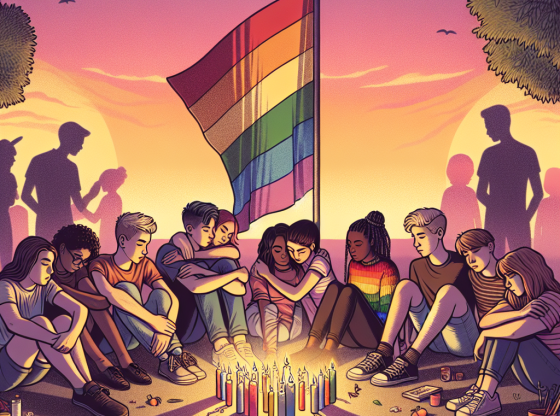
In the Aftermath of Heartbreak: Supporting LGBTQ Youth Through Shadows of Tragedy explores the profound emotional and psychological impact of heartbreak on LGBTQ youth, particularly in the context of societal challenges and personal struggles. This introduction delves into the unique vulnerabilities faced by these young individuals, highlighting the intersection of identity, loss, and resilience. It emphasizes the importance of community support, understanding, and resources to help navigate the complexities of grief and recovery, ultimately fostering a sense of belonging and hope in the face of adversity. Through stories, insights, and practical guidance, this work aims to illuminate pathways toward healing and empowerment for LGBTQ youth grappling with the shadows of tragedy.
Understanding the Emotional Impact of Heartbreak on LGBTQ Youth
Heartbreak is a universal experience that can leave an indelible mark on anyone’s heart, but for LGBTQ youth, the emotional repercussions can be particularly profound. As they navigate their identities in a world that often feels unwelcoming or hostile, the weight of romantic loss can amplify feelings of isolation and despair. Understanding the emotional impact of heartbreak on these young individuals requires a nuanced perspective that acknowledges both their unique struggles and their resilience.
When a relationship ends, it can trigger a cascade of emotions—sadness, anger, confusion, and even guilt. For LGBTQ youth, this emotional turmoil may be compounded by societal pressures and internalized stigma. Many young people already grapple with issues related to acceptance, self-worth, and belonging; thus, the end of a romantic relationship can feel like yet another rejection, deepening their sense of alienation. This can lead to what some describe as a “double heartbreak,” where the pain of lost love intertwines with the ongoing battle for self-acceptance.
Moreover, the intricacies of LGBTQ relationships often involve navigating external challenges that heterosexual couples might not face. Family dynamics, cultural expectations, and community acceptance can significantly influence how these youths experience love and loss. When a relationship dissolves, the aftermath may also bring forth fears about losing supportive friendships or familial bonds that were intertwined with their romantic connections. Consequently, heartbreak becomes not just a personal tragedy but a poignant reminder of the fragility of their social support systems.
In addition to these emotional complexities, the mental health implications are significant. Research indicates that LGBTQ youth are at a higher risk for anxiety, depression, and suicidal ideation compared to their heterosexual peers. The added strain of heartbreak can exacerbate these vulnerabilities, leading to a spiraling effect where negative thoughts and feelings become overwhelming. However, amidst this darkness, there lies the potential for growth and healing. It is crucial to recognize that heartbreak, while painful, can serve as a catalyst for self-discovery and empowerment.
As LGBTQ youth process their grief, they may find themselves reflecting on their desires, values, and aspirations in ways that foster personal development. Through journaling, artistic expression, or engaging in supportive communities, they can channel their emotions into transformative outlets. These activities not only provide a means of coping but also help them forge stronger connections with others who share similar experiences. In this way, heartbreak can ultimately pave the path toward deeper understanding and acceptance of oneself.
Furthermore, supportive environments play a pivotal role in mitigating the emotional fallout from heartbreak. Allies—be they friends, family members, or educators—can make a profound difference by offering empathetic listening and validation. Creating safe spaces where LGBTQ youth feel heard and understood allows them to express their pain without fear of judgment. Encouraging open dialogue around emotions fosters resilience and encourages young people to seek help when needed.
In conclusion, while heartbreak can cast long shadows over the lives of LGBTQ youth, it is essential to approach this topic with compassion and understanding. By recognizing the emotional complexities involved, we can better support these young individuals as they navigate their journeys through love and loss. Ultimately, through connection, empathy, and shared experiences, they can emerge from the depths of heartbreak more empowered than before.
Building Resilience: Coping Strategies for LGBTQ Teens Post-Breakup

In the aftermath of heartbreak, LGBTQ youth often find themselves navigating a complex emotional landscape filled with pain and uncertainty. As they grapple with the end of a romantic relationship, it is crucial to recognize that this experience can be particularly challenging for them due to societal pressures, stigma, and the unique struggles they face in their journey toward self-acceptance. Therefore, building resilience becomes an essential focus, enabling these teens to cope effectively and emerge stronger from their experiences.
To begin with, one of the most vital coping strategies involves fostering a supportive community. Friends who understand the nuances of LGBTQ experiences can provide invaluable comfort during difficult times. Encouraging open conversations within peer groups allows teens to express their feelings authentically, thereby reducing feelings of isolation. This sense of belonging not only affirms their identity but also serves as a reminder that they are not alone in their struggles. Moreover, participation in LGBTQ youth organizations or support groups can create safe spaces where individuals share their stories, offering mutual encouragement and understanding.
Alongside community support, self-care practices play a pivotal role in healing. Engaging in activities that promote mental and physical well-being can significantly alleviate the emotional burden of a breakup. For instance, pursuing hobbies such as art, music, or writing provides an outlet for expressing emotions creatively. Physical activities like yoga or dance not only enhance mood through endorphin release but also foster a sense of empowerment and body positivity—important aspects of resilience for LGBTQ youth. By prioritizing self-care, teens cultivate a deeper connection with themselves, allowing them to process their grief while simultaneously nurturing their identities.
Furthermore, developing emotional literacy is another effective strategy. Understanding and articulating one’s emotions can transform how teens navigate heartbreak. Journaling, for example, offers a private space for reflection and exploration of feelings. This practice encourages vulnerability and self-discovery, helping young people identify patterns in their relationships and gain insights into their needs and desires. Additionally, mindfulness techniques such as meditation or deep-breathing exercises can ground individuals amidst emotional turbulence, promoting clarity and calmness during moments of distress.
As resilience builds through these coping strategies, it is equally important to reframe the narrative surrounding breakups. Instead of viewing the end of a relationship solely as a loss, encouraging LGBTQ youth to see it as an opportunity for growth can shift their perspective. Each experience teaches valuable lessons about love, boundaries, and personal values. Emphasizing that heartbreak is a universal human experience can help normalize their feelings, reinforcing the idea that healing takes time and patience.
Ultimately, supporting LGBTQ youth through the shadows of tragedy requires a multifaceted approach that encompasses community, self-care, emotional literacy, and a positive reframing of experiences. By implementing these coping strategies, teens can build resilience and navigate the complexities of heartbreak with grace and strength. While the path may be fraught with challenges, it is also rich with opportunities for growth and self-discovery. In embracing this journey, LGBTQ youth not only honor their past relationships but also pave the way for future connections grounded in authenticity and love. Thus, even in the wake of heartbreak, there lies the potential for renewal—a chance to rise again, more vibrant and resilient than ever before.
The Role of Community Support in Healing from Heartbreak
In the aftermath of heartbreak, especially for LGBTQ youth navigating a world that often feels unwelcoming, the role of community support becomes profoundly significant. These young individuals frequently confront unique challenges that can exacerbate feelings of isolation and despair following personal losses or relationship breakups. As they traverse the shadows of tragedy, it is essential to recognize how vital supportive communities are in fostering resilience and healing.
Community support manifests in various forms, from friendship circles to organized groups dedicated to LGBTQ advocacy and mental health. When heartbreak strikes, having a network of empathetic peers who understand the nuances of their experiences can provide a comforting refuge. This sense of belonging creates an environment where youth feel safe to express their emotions without fear of judgment. In this nurturing space, conversations about love, loss, and recovery become avenues for connection, allowing them to share not only their pain but also their journeys toward healing.
Moreover, local organizations and online platforms play an instrumental role in offering resources tailored specifically for LGBTQ youth. Workshops focused on emotional well-being, peer counseling programs, and social events designed to foster camaraderie can be lifelines during tumultuous times. These initiatives help young people realize they are not alone in their struggles; instead, they are part of a vibrant tapestry woven together by shared experiences and collective strength. Through these connections, they learn that heartbreak does not signify the end of hope but rather an opportunity for growth and self-discovery.
As they lean into the support provided by their communities, LGBTQ youth begin to rebuild their identities beyond the confines of heartbreak. They engage in activities that promote self-expression—artistic endeavors, writing, or even activism—that allow them to channel their emotions constructively. This creative outlet serves as both a cathartic release and a means of empowerment, enabling them to transform their narratives from tales of sorrow into stories of resilience. Thus, through art and expression, the scars left by heartbreak can evolve into symbols of strength, illustrating the beauty that can emerge from adversity.
Furthermore, mentorship programs within these communities can offer invaluable guidance. Older LGBTQ individuals who have traversed similar paths can share their insights and experiences, illuminating ways to navigate heartbreak with grace and dignity. By witnessing the triumphs and trials of those who came before them, younger individuals gain perspective on their own situations, discovering that healing is not linear but rather a complex journey filled with ups and downs. This intergenerational dialogue fosters a profound sense of continuity and solidarity, reminding youth that their pain is acknowledged and understood.
Ultimately, the healing process after heartbreak is deeply intertwined with the support one receives from their community. The bonds formed in moments of vulnerability create lasting connections that extend far beyond individual experiences of loss. As LGBTQ youth find solace in each other’s company, they cultivate a powerful reminder: love may sometimes lead to heartache, but it also has the remarkable ability to inspire growth, understanding, and renewal. In embracing community support, they embark on a transformative journey that allows them to rise from the ashes of heartbreak, emerging stronger and more authentic than ever before.
Creating Safe Spaces: How Schools Can Support LGBTQ Youth After Loss
In the aftermath of heartbreak, particularly for LGBTQ youth grappling with loss, the importance of creating safe spaces in schools cannot be overstated. These sanctuaries not only provide a sense of belonging but also serve as essential havens where students can navigate their grief and identity amidst the shadows of tragedy. It is crucial to recognize that the emotional landscape for LGBTQ individuals can often be fraught with challenges, making it imperative for educational institutions to step forward as allies in times of crisis.
Firstly, fostering an inclusive environment begins with intentional policies that promote acceptance and understanding. Schools must implement anti-bullying initiatives that specifically address the unique experiences of LGBTQ youth. By establishing clear guidelines against discrimination and harassment, educators can create a culture where all students feel valued and protected. This proactive approach not only mitigates potential harm but also sends a powerful message: every student deserves respect, especially during vulnerable moments of loss.
Moreover, training staff to understand the complexities surrounding LGBTQ identities is pivotal. Professional development programs should include components on sensitivity and awareness, equipping teachers and administrators with the tools necessary to support grieving students effectively. When educators demonstrate empathy and knowledge about the issues faced by LGBTQ youth, they cultivate trust and open lines of communication. This connection becomes even more vital when students are navigating their feelings after experiencing loss, allowing them to seek comfort and guidance from trusted adults.
Additionally, providing resources tailored to LGBTQ youth can significantly aid in their healing process. Schools might consider implementing support groups or counseling services that cater specifically to these students. Such initiatives offer a space for sharing experiences, processing emotions, and finding solace among peers who truly understand their struggles. In this shared vulnerability, connections can blossom, transforming pain into collective resilience. Furthermore, integrating LGBTQ literature and history into the curriculum can empower students by validating their experiences and showcasing narratives of triumph over adversity.
Transitioning to a broader community involvement, schools can engage families and local organizations in their efforts to create supportive environments. Hosting workshops or informational sessions can help bridge gaps between home and school, fostering a network of care that extends beyond classroom walls. When families are educated about the challenges LGBTQ youth face, they become better equipped to provide love and support at home, reinforcing the messages of acceptance taught within the school setting.
As we reflect on the intricate relationship between grief and identity, it becomes evident that schools play a critical role in shaping the future for LGBTQ youth. By creating safe spaces where authenticity is celebrated rather than stifled, educational institutions contribute to a culture of healing. In such nurturing environments, students find the courage to express their emotions freely, allowing them to emerge from the shadows of tragedy with renewed hope and strength.
Ultimately, supporting LGBTQ youth through their darkest hours requires commitment, compassion, and creativity from all members of the educational community. Together, we can transform schools into vibrant sanctuaries where love prevails over loss, helping young hearts mend while embracing the beautiful spectrum of human experience. Through these actions, we honor not only those we’ve lost but also the potential within each student to rise above their circumstances and thrive.
Conclusion
In the aftermath of heartbreak, supporting LGBTQ youth through their experiences of tragedy is crucial for fostering resilience and healing. It requires a multifaceted approach that includes creating safe spaces, providing access to mental health resources, encouraging open dialogue, and promoting community connections. By prioritizing empathy, understanding, and acceptance, we can help these young individuals navigate their pain, rebuild their sense of identity, and ultimately thrive in a supportive environment.