
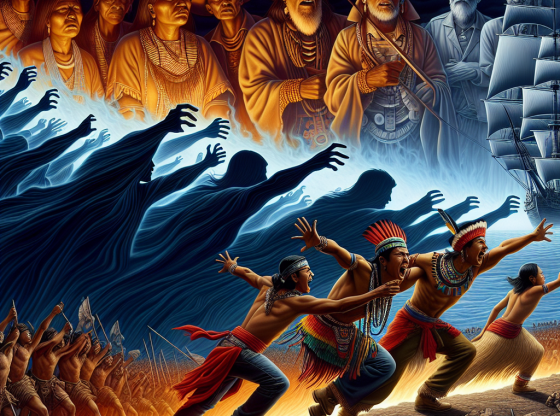
“Indigenous Desires: Unveiling the Passionate Resistance Against Colonial Shadows” explores the profound and multifaceted expressions of Indigenous identity, culture, and resistance in the face of colonial oppression. This work delves into the historical and contemporary struggles of Indigenous peoples to reclaim their narratives, asserting their rights and desires for self-determination, land, and cultural preservation. By highlighting personal stories, artistic expressions, and collective movements, it reveals how Indigenous communities harness their passions as a powerful form of resistance against the enduring legacies of colonialism. Through this lens, the book seeks to illuminate the resilience and vibrancy of Indigenous cultures while challenging dominant narratives that have sought to silence them.
Indigenous Identity and Cultural Resilience
Indigenous identity and cultural resilience are woven into the fabric of human history, echoing through generations like a timeless melody that refuses to fade. The essence of Indigenous identity is not merely a label; it is an intricate tapestry of stories, languages, customs, and spiritual connections to the land. This profound relationship with nature reflects a worldview that honors ancestors and upholds traditions, creating a vibrant narrative that stands resilient against the encroachments of colonial shadows.
As we delve deeper into this rich landscape, we discover that the roots of Indigenous cultures run deep, nourished by centuries of knowledge passed down through oral traditions. These narratives serve as both a repository of wisdom and a beacon of hope, illuminating paths for future generations. Each story carries the weight of ancestral experiences, revealing lessons learned from triumphs and tribulations alike. In this sense, storytelling becomes a powerful act of resistance, allowing Indigenous peoples to reclaim their histories and assert their identities in the face of erasure.
Moreover, the languages spoken by Indigenous communities encapsulate unique ways of understanding the world. With each dialect comes a distinct perspective on existence, relationships, and spirituality. Unfortunately, many of these languages have been threatened by colonial practices that sought to suppress them. Yet, despite these challenges, there has been a remarkable resurgence in language revitalization efforts. Communities are coming together, breathing life back into their tongues through immersion programs, educational initiatives, and cultural events. This revival not only strengthens individual and collective identities but also fosters a renewed sense of pride in heritage.
Transitioning from language to art, we find another vital expression of cultural resilience. Traditional art forms—be it weaving, carving, or painting—serve as conduits for expressing identity and narrating community histories. Each brushstroke or woven thread tells a story, embodying the spirit of the people and their connection to the earth. Artisans often draw inspiration from their surroundings, infusing their creations with elements that reflect their environment and beliefs. By doing so, they create tangible links between past and present, reaffirming their place within an ever-evolving cultural landscape.
In addition to art and language, traditional practices such as ceremonies and rituals play a crucial role in maintaining Indigenous identity. These sacred gatherings offer spaces for communal healing, reflection, and celebration. They remind individuals of their interconnectedness with one another and the natural world, reinforcing the idea that identity is not solely personal but collective. Through these practices, Indigenous peoples affirm their existence and agency, challenging the narratives imposed upon them by colonizers.
Furthermore, contemporary Indigenous movements increasingly advocate for rights and recognition, emphasizing the importance of sovereignty and self-determination. Activists passionately assert that true reconciliation involves acknowledging historical injustices while fostering environments where Indigenous voices can flourish. This reclamation of space extends beyond physical territories; it encompasses cultural landscapes as well, asserting the validity of Indigenous knowledge systems in addressing modern societal issues such as climate change and social justice.
Ultimately, Indigenous identity and cultural resilience represent a love letter to the past—a passionate declaration that echoes across time and space. It speaks to the enduring spirit of communities who refuse to be silenced or diminished. As we honor these narratives and embrace their complexities, we recognize that the fight against colonial shadows is not just about survival; it is about thriving in a world that celebrates diversity and acknowledges the beauty inherent in every culture. In this shared journey toward understanding, we find ourselves intertwined in a dance of solidarity, reminding us all of our responsibility to nurture and protect the legacies that shape our collective humanity.
The Role of Art in Indigenous Activism
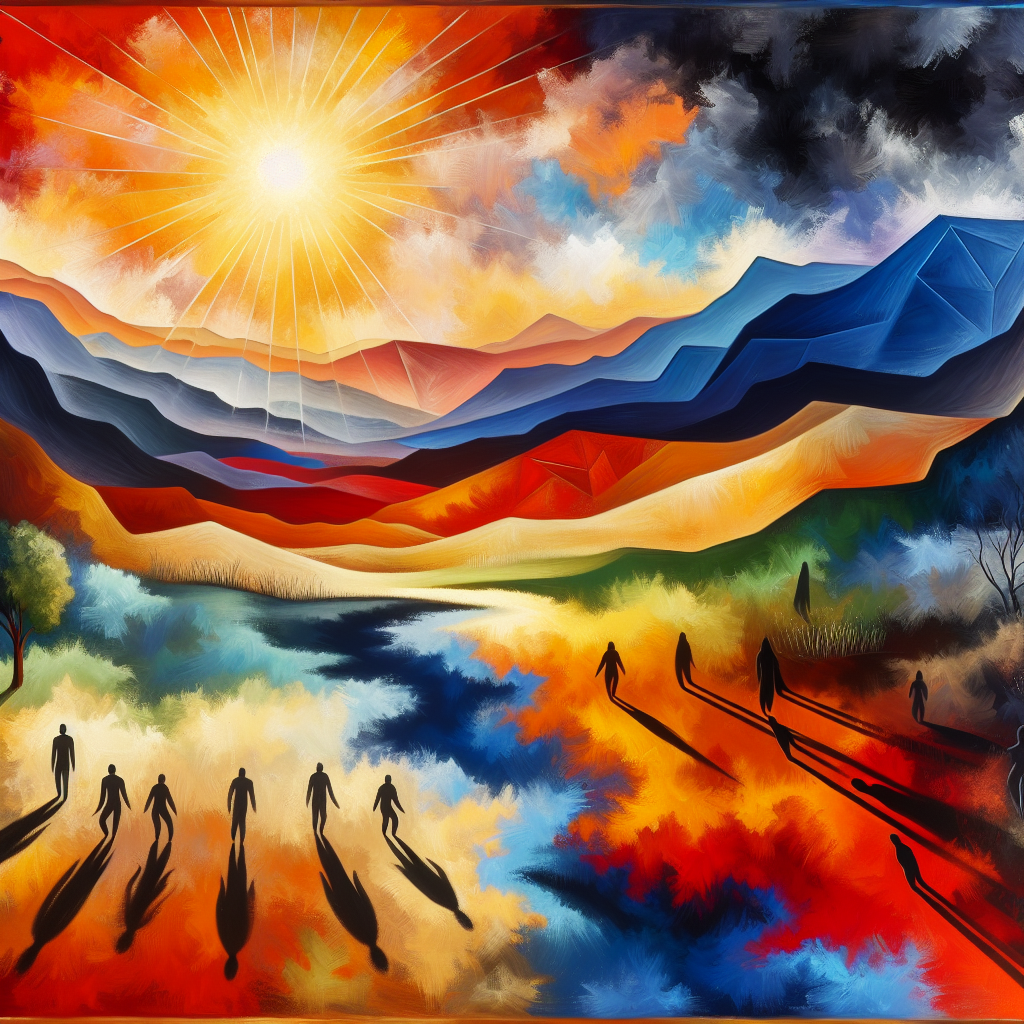
Art has long served as a powerful vehicle for expression, and within Indigenous communities, it emerges not only as a means of cultural preservation but also as a poignant form of activism. This intricate relationship between art and resistance unfurls beautifully, revealing the depths of passion that fuel the fight against colonial shadows. Through various artistic mediums, Indigenous peoples articulate their narratives, challenge oppressive systems, and reclaim their identities in a world that often seeks to silence them.
Visual arts, such as painting and sculpture, have become profound tools for storytelling, allowing artists to convey their experiences and histories in vibrant colors and striking forms. Each brushstroke is imbued with meaning, representing not just personal visions but collective memories that echo through generations. Artists like Francesca Nuttall and Kent Monkman utilize their canvases to confront historical injustices, weaving together threads of trauma and resilience. Their works invite viewers into a dialogue that transcends time, urging society to reckon with its past while envisioning a more equitable future.
Similarly, traditional crafts such as weaving and beadwork resonate with deep cultural significance, embodying the skills passed down through lineage. These creations are not merely decorative; they encapsulate stories of survival, connection to land, and communal identity. By revitalizing these practices, Indigenous artisans resist the erasure of their heritage and assert their rightful place within contemporary society. The act of creating becomes an assertion of existence itself—a declaration that their cultures endure despite centuries of colonization.
Performance art adds another layer to this tapestry of resistance, providing a dynamic platform for expressing Indigenous voices. Dance, theater, and spoken word intertwine to create immersive experiences that captivate audiences and provoke thought. Performers like Rebecca Belmore and Elisha Lim harness their talents to address pressing social issues, using their bodies and words as instruments of change. In this realm, art transforms into a living entity that breathes life into forgotten stories, igniting passion and empathy in those who witness it.
Moreover, the digital age has opened new avenues for Indigenous activism, where social media platforms serve as modern-day galleries. Artists share their work with broader audiences, fostering connections that transcend geographical boundaries. Online campaigns amplify their messages, drawing attention to causes that demand urgent action. The hashtag movements initiated by Indigenous creators resonate globally, uniting individuals in solidarity against colonialism and environmental degradation. In this interconnected landscape, art becomes a rallying cry—a call to arms that echoes across continents.
As we delve deeper into the role of art in Indigenous activism, it becomes clear that creativity is inseparable from identity. Each piece created serves as a testament to resilience, a reminder that beauty can emerge from pain. The passionate resistance against colonial shadows finds expression not only in the artworks themselves but in the very act of creation—a defiance against attempts to erase culture and history.
In conclusion, art stands as a beacon of hope and strength within Indigenous communities, illuminating paths toward healing and empowerment. It invites us all to engage with these narratives, encouraging reflection on our shared humanity. Ultimately, through the lens of art, we glimpse the fervent desires of Indigenous peoples—an enduring quest for justice, recognition, and a future where their voices resound freely amidst the cacophony of history.
Reclaiming Land: Stories of Resistance and Healing
In the heart of every Indigenous community lies a profound connection to the land, a bond that transcends mere ownership and delves into the realms of spirituality, identity, and history. This relationship with the earth is not just a backdrop for their lives; it serves as a living testament to their ancestors’ resilience and the dreams of future generations. As colonial shadows loom large over these sacred spaces, stories of resistance and healing emerge, illuminating the passionate desire to reclaim what was once lost.
Throughout history, Indigenous peoples have faced relentless encroachment upon their territories, resulting in a deep sense of dislocation and grief. Yet, within this sorrow lies an unwavering spirit of defiance. Activists, elders, and youth alike have come together, weaving narratives of reclamation that echo through time. These stories are not merely accounts of struggle but also powerful declarations of love for the land, where each tree, river, and mountain holds memories of those who walked before them. In reclaiming their lands, Indigenous communities are not only asserting their rights but also revitalizing cultural practices that had been suppressed or forgotten.
One such narrative emerges from the lush forests of North America, where tribes like the Wet’suwet’en and the Standing Rock Sioux have stood firm against pipelines threatening their ancestral territories. Their protests transcend physical boundaries, manifesting as spiritual gatherings that draw people from all walks of life, united by a shared vision of environmental justice. Through songs, dances, and rituals, they reaffirm their commitment to protect the land, illustrating how resistance can be both a political act and a deeply personal journey toward healing.
As these communities fight for their rights, they also engage in acts of restoration, nurturing the very landscapes that colonial forces sought to fracture. The resurgence of traditional ecological knowledge plays a crucial role in this process. Elders pass down wisdom about sustainable practices that honor the land’s rhythms, fostering a renewed sense of belonging among younger generations. This intergenerational exchange becomes a vital thread in the tapestry of resistance, intertwining past and present in a vibrant celebration of culture and identity.
Moreover, art has emerged as a powerful medium through which Indigenous voices articulate their desires for reclamation. From poignant poetry to striking visual displays, artists use their craft to challenge dominant narratives while simultaneously celebrating their heritage. Each brushstroke and word reflects a longing for connection—an invitation to witness the beauty and complexity of Indigenous existence beyond the colonial lens. In this way, art becomes an act of rebellion, transforming pain into passion and loss into liberation.
The journey of reclaiming land is fraught with challenges, yet it is imbued with hope. As communities gather to share their stories, they create spaces for dialogue that bridge divides and foster understanding. Allies join in solidarity, recognizing that the fight for Indigenous sovereignty is intertwined with broader struggles for social justice and environmental stewardship. Together, they cultivate a collective consciousness that honors diversity while championing unity.
Ultimately, the quest to reclaim land is not solely about territory; it is about restoring dignity, honoring traditions, and envisioning a future where Indigenous aspirations flourish. In every story of resistance and healing, there exists a romantic notion that speaks to the enduring power of love—a love for the land, for one another, and for the generations yet to come. It is a reminder that even in the face of adversity, the human spirit can rise, fueled by an unyielding desire to reclaim what rightfully belongs to those who have nurtured it since time immemorial.
Intersectionality in Indigenous Movements
In the heart of Indigenous movements lies a tapestry woven with threads of history, culture, and identity. This rich fabric is not merely a backdrop for resistance against colonial shadows; it is alive with the vibrancy of intersectionality, where various identities converge to create a powerful force for change. As we delve into this intricate web, we uncover how the experiences of race, gender, class, and sexuality intertwine within Indigenous communities, shaping their struggles and aspirations in profound ways.
At first glance, one might perceive Indigenous resistance as a monolithic endeavor, yet such an understanding would be a disservice to the myriad voices that resonate within these movements. The reality is far more nuanced, revealing a landscape where the intersections of different identities play a crucial role in defining the nature of resistance. For instance, Indigenous women have long been at the forefront of activism, often facing dual layers of oppression—both from colonial structures and patriarchal norms within their own societies. Their unique perspectives illuminate the urgent need for a more inclusive approach to advocacy, emphasizing that liberation must encompass all facets of identity.
Moreover, as we explore the dynamics of intersectionality in Indigenous movements, we cannot overlook the significant impact of socioeconomic status. Many Indigenous activists hail from marginalized backgrounds, grappling with systemic inequalities that compound the effects of colonization. These disparities shape their experiences and inform their activism, prompting them to advocate not only for land rights but also for economic justice, education, and healthcare access. In this way, the fight against colonialism becomes intertwined with broader social issues, illustrating how interconnected struggles can forge solidarity across diverse groups.
As we witness this passionate resistance unfold, it becomes evident that the intersection of identities fosters a deeper understanding of collective empowerment. The emergence of grassroots organizations led by Indigenous youth serves as a testament to this phenomenon. These young leaders bring fresh energy and innovative ideas, drawing on both traditional knowledge and contemporary strategies to address pressing challenges. By embracing intersectionality, they amplify voices that have historically been silenced, ensuring that all community members are represented in the dialogue surrounding their futures.
The romantic notion of unity in diversity resonates powerfully within these movements. When individuals come together to share their stories and experiences, they create a mosaic that celebrates differences while recognizing shared goals. This celebration of intersectionality cultivates empathy and understanding, enabling communities to forge alliances that transcend individual struggles. Consequently, Indigenous movements become a vibrant chorus of voices, each contributing to a harmonious narrative that seeks to reclaim autonomy and agency.
Furthermore, the integration of LGBTQ+ perspectives within Indigenous activism exemplifies how intersectionality enriches the struggle for rights and recognition. Queer Indigenous individuals often navigate a complex terrain shaped by both cultural heritage and societal expectations. Their contributions challenge heteronormative paradigms and expand the definition of what it means to be Indigenous in contemporary society. Through their courage and resilience, they inspire others to embrace their authentic selves while advocating for a future where everyone can thrive.
In conclusion, the passionate resistance against colonial shadows is deeply rooted in the principles of intersectionality. By acknowledging and embracing the complexities of identity within Indigenous movements, we unveil a dynamic landscape marked by collaboration, creativity, and hope. As these diverse voices rise in unison, they illuminate pathways toward justice, reminding us that true liberation is not just about reclaiming land but also about honoring the multifaceted identities that enrich our shared humanity.
Conclusion
“Indigenous Desires: Unveiling the Passionate Resistance Against Colonial Shadows” highlights the profound resilience and agency of Indigenous peoples in confronting and dismantling colonial legacies. Through a rich tapestry of narratives, it reveals how cultural expressions, traditions, and communal bonds serve as powerful tools for resistance. The conclusion underscores that Indigenous desires are not merely reactions to oppression but are vibrant affirmations of identity, sovereignty, and the enduring quest for justice. This work ultimately calls for recognition of Indigenous voices and the importance of honoring their struggles as integral to understanding contemporary societal dynamics.