
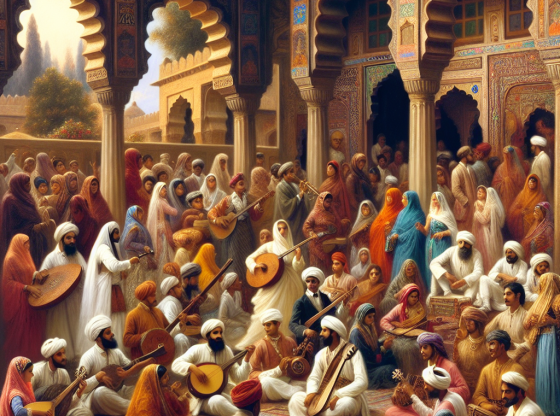
“Metis: Tales of Passion and Heritage Unveiled” explores the rich cultural tapestry and historical narratives of the Metis people, a unique Indigenous group in Canada. This work delves into their vibrant traditions, blending European and Indigenous influences, while highlighting personal stories that reflect resilience, identity, and community. Through a collection of narratives, it seeks to illuminate the Metis experience, celebrating their contributions to Canadian history and culture, and fostering a deeper understanding of their ongoing journey toward recognition and self-determination.
Metis Identity: Understanding the Blend of Cultures
Metis identity is a captivating tapestry woven from the threads of diverse cultures, histories, and traditions. At its core lies a rich heritage that embodies the fusion of Indigenous peoples, primarily the First Nations and the French settlers who arrived in North America during the 17th and 18th centuries. This intricate blend has given rise to a distinct community whose essence is steeped in both resilience and adaptability, illustrating how cultural intersections can create something uniquely beautiful.
Understanding Metis identity requires an appreciation for the historical context in which it emerged. The interactions between European colonizers and Indigenous populations were not merely transactional; they fostered deep relationships that flourished through intermarriage and shared experiences. These unions gave birth to a new group of people who navigated the complexities of their dual heritage, embracing elements from both worlds while forging their own path. As such, Metis culture is characterized by its dynamic nature, where traditional practices coexist harmoniously with influences from settler society.
Language plays a pivotal role in expressing this multifaceted identity. Michif, the language spoken by many Metis communities, encapsulates the blending of French and various Indigenous languages, reflecting the historical intermingling of these cultures. In this linguistic dance, words carry stories that resonate with the struggles and triumphs of the Metis people. The preservation of Michif is not only vital for communication but also serves as a living testament to the enduring spirit of a community that has faced marginalization yet continues to celebrate its uniqueness.
Moreover, the arts provide another lens through which to view Metis identity. Traditional music, dance, and crafts reflect a harmonious amalgamation of Indigenous and European influences. Fiddle music, often associated with Metis celebrations, showcases lively rhythms that invite participation and joy, embodying the communal spirit that defines Metis gatherings. Similarly, beadwork and other crafts exhibit intricate designs that tell stories of ancestry and connection to the land. Each piece created carries a whisper of history, reminding those who encounter them of the passionate journey that shaped their existence.
The relationship with the land is equally integral to Metis identity, serving as both a physical and spiritual anchor. Historically, the Metis were skilled fur traders and hunters, intimately attuned to the natural world around them. This profound connection endures today, manifesting in sustainable practices and a commitment to environmental stewardship. For many Metis individuals, the land is not just a resource but a sacred space imbued with memories and lessons passed down through generations.
As we delve deeper into the essence of Metis identity, it becomes clear that it transcends mere labels or classifications. It is a celebration of diversity, resilience, and passion—a continuous unfolding narrative that honors both past and present. The journey of self-discovery within the Metis community is marked by pride in one’s heritage and an unwavering dedication to preserving the stories that define them. Through education and storytelling, younger generations are empowered to embrace their roots, ensuring that the vibrant legacy of the Metis people will continue to thrive.
In conclusion, understanding Metis identity is akin to embarking on a romantic voyage through time and culture. It invites us to explore the beauty found at the intersection of different worlds, revealing a community that thrives on the richness of its heritage. As we appreciate this blend of cultures, we recognize not only the unique contributions of the Metis but also the universal themes of love, belonging, and the quest for identity that resonate across all human experiences.
Historical Significance of Metis Heritage
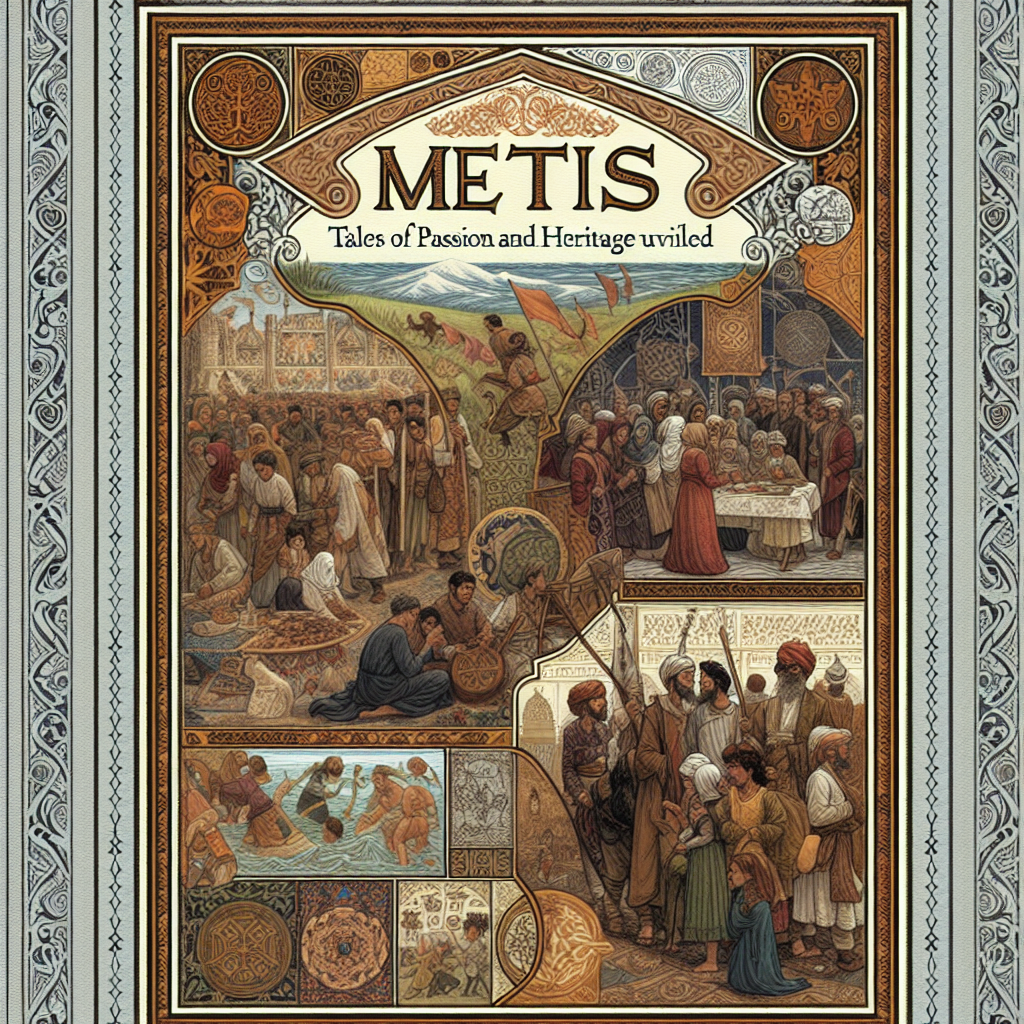
The Metis people, a vibrant cultural group emerging from the intermingling of Indigenous and European ancestry, represent a unique chapter in the tapestry of North American history. Their heritage is woven with threads of passion, resilience, and rich traditions that echo through generations. To understand the historical significance of Metis heritage is to embark on a journey that transcends mere facts; it invites us into a world where identity is shaped by both struggle and celebration.
At the heart of Metis history lies the fur trade, which served as a catalyst for cultural exchange during the 18th and 19th centuries. As European settlers ventured into the vast wilderness of Canada, they established trading posts that became melting pots of diverse cultures. It was here that Indigenous peoples and European traders formed alliances, leading to marriages that would ultimately give rise to the Metis nation. This blending of cultures fostered a distinct way of life characterized by its own language, customs, and artistic expressions. The Metis developed their own dialect, Michif, which beautifully combines elements of French and Indigenous languages, serving as both a means of communication and a symbol of their unique identity.
Furthermore, the Metis people’s deep connection to the land speaks volumes about their historical significance. They were not merely participants in the fur trade but also skilled trappers, hunters, and gatherers who thrived in the challenging landscapes of the prairies and forests. Their intimate knowledge of the environment allowed them to navigate the complexities of survival while preserving their cultural practices. This relationship with nature continues to resonate today, reminding us of the importance of sustainability and respect for the earth—values that are increasingly relevant in our modern world.
As we delve deeper into Metis history, we cannot overlook the pivotal role played by leaders such as Louis Riel, whose passionate advocacy for Metis rights transformed him into an enduring symbol of resistance. Riel’s fight against colonial oppression highlighted the struggles faced by the Metis community, drawing attention to their quest for recognition and sovereignty. His legacy remains intertwined with Metis heritage, inspiring contemporary movements for social justice and equality. Through his story, we glimpse the fierce spirit of a people determined to carve out their place in history, despite facing immense challenges.
Moreover, the historical significance of Metis heritage is reflected in their vibrant arts and culture. Traditional music, dance, and storytelling serve as conduits for passing down knowledge and values from one generation to the next. The lively jigs and reels accompanied by fiddles evoke a sense of joy and communal celebration, illustrating how art can transcend adversity. Each song tells a story steeped in love, loss, and triumph, inviting listeners to connect with their shared humanity.
In examining the historical significance of Metis heritage, we uncover a narrative rich with passion and perseverance. The Metis have endured trials yet continue to thrive, celebrating their unique identity while contributing to the broader Canadian mosaic. Their story serves as a poignant reminder of the power of heritage and the enduring strength found within communities united by love for their culture and history. As we honor this legacy, we are called to recognize and appreciate the intricate layers that form the identity of the Metis people—a testament to their remarkable journey through time.
Celebrating Metis Traditions and Art Forms
The Metis people, a vibrant and resilient culture born from the intermingling of Indigenous peoples and European settlers, carry within them a rich tapestry of traditions and art forms that echo their storied past. Celebrating Metis heritage is not merely an act of remembrance; it is a passionate embrace of identity that intertwines history with contemporary expression. This celebration manifests in various ways, from traditional music and dance to intricate crafts and storytelling, each reflecting the unique spirit of the Metis community.
At the heart of Metis traditions lies the fiddle, an instrument that serves as a conduit for both joy and sorrow, encapsulating the emotional landscape of the Metis experience. The lively tunes played at gatherings resonate with the laughter of families and friends, transcending generations. As dancers move gracefully to the rhythm, clad in colorful sashes and adorned with beaded accessories, they embody the essence of their ancestors, who danced under the same stars. These gatherings, often held during festivals or community events, are not just celebrations but also acts of cultural preservation, where stories are shared, and connections are strengthened.
In addition to music and dance, the Metis are renowned for their artistic expressions found in beadwork and textile arts. The meticulous craft of beadwork, which adorns everything from clothing to ceremonial items, showcases the ingenuity and creativity inherent in Metis culture. Each piece tells a story, often incorporating symbols and colors that hold significant meaning, linking the artist to their lineage and land. Similarly, the creation of quilts—a practice steeped in practicality—transcends mere functionality. Each stitch binds together fabric remnants, memories, and histories, resulting in masterpieces that serve as both warmth and narrative.
Furthermore, the tradition of storytelling remains a cornerstone of Metis culture. Elders pass down tales filled with wisdom and humor, weaving together lessons from the past with reflections on modern life. These narratives not only entertain but also instill values and foster a sense of belonging among younger generations. In this way, storytelling becomes a living tradition, continuously evolving while remaining rooted in its origins. Such oral histories enrich the community’s collective memory, reminding them of their struggles and triumphs, thus reinforcing their identity.
As we celebrate Metis traditions and art forms, we must acknowledge the resilience that characterizes their journey through time. Historically marginalized yet unwavering in their commitment to preserving their culture, the Metis have emerged as powerful advocates for recognition and respect. Their efforts to reclaim and revitalize their heritage have led to a renaissance of cultural pride, inspiring new generations to engage with their roots passionately.
Moreover, the fusion of traditional practices with contemporary influences has birthed innovative expressions that challenge preconceived notions of what it means to be Metis today. Artists draw upon their heritage while exploring modern themes, creating works that resonate with diverse audiences. This evolution reflects a dynamic culture that honors its past while boldly stepping into the future.
Ultimately, celebrating Metis traditions and art forms is an invitation to appreciate the beauty and complexity of a culture shaped by love, struggle, and resilience. It is a reminder that every bead strung, every note played, and every story told contributes to a larger narrative—one that continues to unfold, inviting all to partake in its romance and richness. Through this celebration, we honor not only the Metis people but also the universal quest for identity, belonging, and connection to our shared humanity.
Personal Stories: Passionate Lives of Metis Individuals
In the heart of Canada, where the prairies meet the forests and rivers wind their way through a tapestry of landscapes, the Metis people weave rich narratives that reflect their diverse heritage and passionate lives. The stories of Metis individuals are not just tales of survival; they are vibrant expressions of identity, culture, and an enduring connection to both land and community. Each narrative is a thread in the intricate fabric of Metis history, revealing how passion shapes lives and fortifies traditions.
Take, for instance, the story of Marie, a talented artisan whose hands have been guided by generations of knowledge passed down through her family. Growing up, she watched her grandmother create exquisite beadwork, each piece telling its own story steeped in symbolism and cultural significance. Inspired by this legacy, Marie embraced her craft with fervor, dedicating herself to reviving traditional designs while infusing them with contemporary flair. Through her work, she not only honors her ancestors but also contributes to the living art form that is integral to Metis identity. Her creations become vessels of memory, transporting viewers into a world where every stitch resonates with the echoes of the past.
Similarly, there’s the tale of Jacob, a musician whose melodies echo the rhythms of his heritage. From an early age, he was captivated by the sounds of fiddle music that filled his home, linking him to gatherings where laughter and storytelling intertwined. As he grew older, Jacob felt a deep-seated desire to share these musical traditions beyond his community. With each performance, he captivates audiences with songs that celebrate love, loss, and resilience—emotions that transcend time and place. His passion for music becomes a bridge connecting generations, reminding listeners of the beauty inherent in Metis culture and the importance of preserving it.
Transitioning from personal artistry to communal endeavors, we find the inspiring journey of Sophie, who channels her energy into advocating for Indigenous rights and environmental stewardship. Witnessing the struggles faced by her community due to resource exploitation, Sophie felt compelled to act. She organized workshops that educate others about sustainable practices rooted in traditional ecological knowledge. Her commitment to activism is fueled by a profound love for her homeland—a land that nurtures not only her people but also countless species of flora and fauna. Through her efforts, Sophie embodies the spirit of the Metis: fiercely protective of their heritage while passionately engaged in shaping a more equitable future.
These individual stories intertwine like the braided hair of a Metis child, each strand representing unique experiences yet bound together by shared values. They reveal a collective heartbeat that pulsates through the Metis Nation, celebrating the duality of tradition and innovation. While Marie stitches together pieces of history into beautiful art, Jacob strums chords that resonate with ancestral wisdom, and Sophie fights for justice and sustainability. Together, they illuminate the passionate lives lived within the Metis community—lives characterized by creativity, resilience, and an unwavering dedication to preserving a rich cultural legacy.
As we delve into these personal stories, we uncover not merely anecdotes but rather powerful testaments to what it means to be Metis. Passion drives these individuals forward, guiding their pursuits and enriching the broader narrative of a people deeply connected to their roots. In sharing their journeys, they invite us all to appreciate the beauty of diversity and the strength found in heritage, reminding us that every life is a story waiting to be told.
Conclusion
“Metis: Tales of Passion and Heritage Unveiled” highlights the rich cultural tapestry and historical significance of the Metis people, showcasing their unique identity formed through a blend of Indigenous and European traditions. The narratives within the work emphasize resilience, community, and the importance of preserving heritage, ultimately celebrating the vibrant spirit of the Metis culture while inviting readers to appreciate the complexities of their history and contributions to Canadian society.