
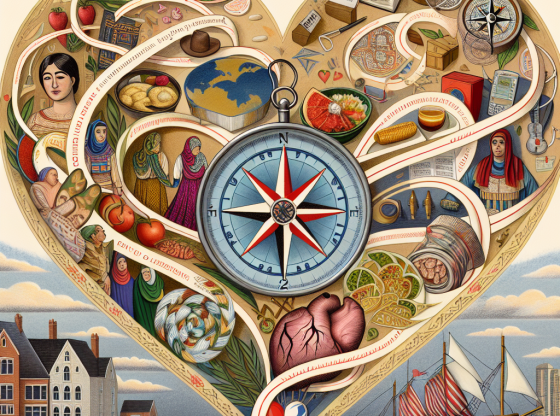
“Navigating Desire: A Second-Generation Immigrant’s Journey Through Love and Cultural Identity” explores the complex interplay between personal relationships and cultural heritage experienced by a second-generation immigrant. This narrative delves into the challenges of balancing familial expectations with individual desires, as the protagonist grapples with identity, belonging, and the quest for love in a multicultural landscape. Through poignant storytelling, the work examines how cultural narratives shape romantic pursuits and self-discovery, ultimately revealing the transformative power of love in bridging diverse worlds.
Love Across Cultures: Bridging the Gap Between Heritage and Modern Romance
In a world that is increasingly interconnected, love often emerges as a powerful force that transcends cultural boundaries. For second-generation immigrants, the quest for romance can be both exhilarating and complex, weaving together threads of heritage and modern sensibilities. As these individuals navigate their desires, they find themselves at the crossroads of tradition and contemporary values, striving to create relationships that honor their backgrounds while embracing new experiences. This journey through love becomes an exploration not only of personal connections but also of identity, ultimately leading to a richer understanding of oneself.
At the heart of this dynamic lies the challenge of reconciling familial expectations with individual desires. Many second-generation immigrants grow up in households steeped in cultural traditions, where parental guidance often emphasizes the importance of shared values and practices. However, as they venture into the realm of modern romance, the allure of different perspectives and lifestyles beckons them. The struggle to balance these influences creates a unique landscape where love blossoms amidst the tension between old and new. It is within this space that many discover the beauty of blending cultures, as they learn to appreciate differences rather than see them as obstacles.
As they embark on romantic pursuits, second-generation immigrants may find themselves drawn to partners who embody diverse backgrounds. This attraction can serve as a catalyst for deeper conversations about identity, belonging, and what it means to forge a path that honors both personal desires and familial ties. In many cases, these relationships become a canvas upon which couples paint their own stories—infusing traditional elements such as family gatherings or holiday celebrations with innovative twists that reflect their evolving identities. By doing so, they cultivate a shared narrative that celebrates diversity while fostering mutual respect and understanding.
Moreover, the process of navigating love across cultures encourages individuals to confront preconceived notions about romance and partnership. For some, the ideals instilled by their families may clash with the realities of modern dating, prompting introspection and growth. This journey often leads to a reevaluation of what it means to love someone from a different background, challenging stereotypes and broadening horizons. Couples begin to recognize that love is not confined to a singular definition; instead, it is an ever-evolving experience that can encompass a myriad of customs, languages, and beliefs.
As they traverse this intricate landscape, second-generation immigrants also grapple with questions of identity. They may wonder how their cultural heritage shapes their views on love and relationships, and whether they are living authentically or conforming to societal expectations. Ultimately, this self-discovery fosters resilience and adaptability, allowing them to embrace their multifaceted identities fully. Through open dialogue and vulnerability, they learn to communicate their needs and desires effectively, creating a foundation built on trust and understanding.
In conclusion, the journey of love for second-generation immigrants is one marked by rich complexities and transformative experiences. By bridging the gap between heritage and modern romance, they cultivate relationships that celebrate both individuality and connection. Through this navigation of desire, they not only redefine love for themselves but also contribute to a broader tapestry of cultural exchange—a testament to the enduring power of love in all its forms.
The Intersection of Identity and Desire: A Second-Generation Immigrant’s Perspective
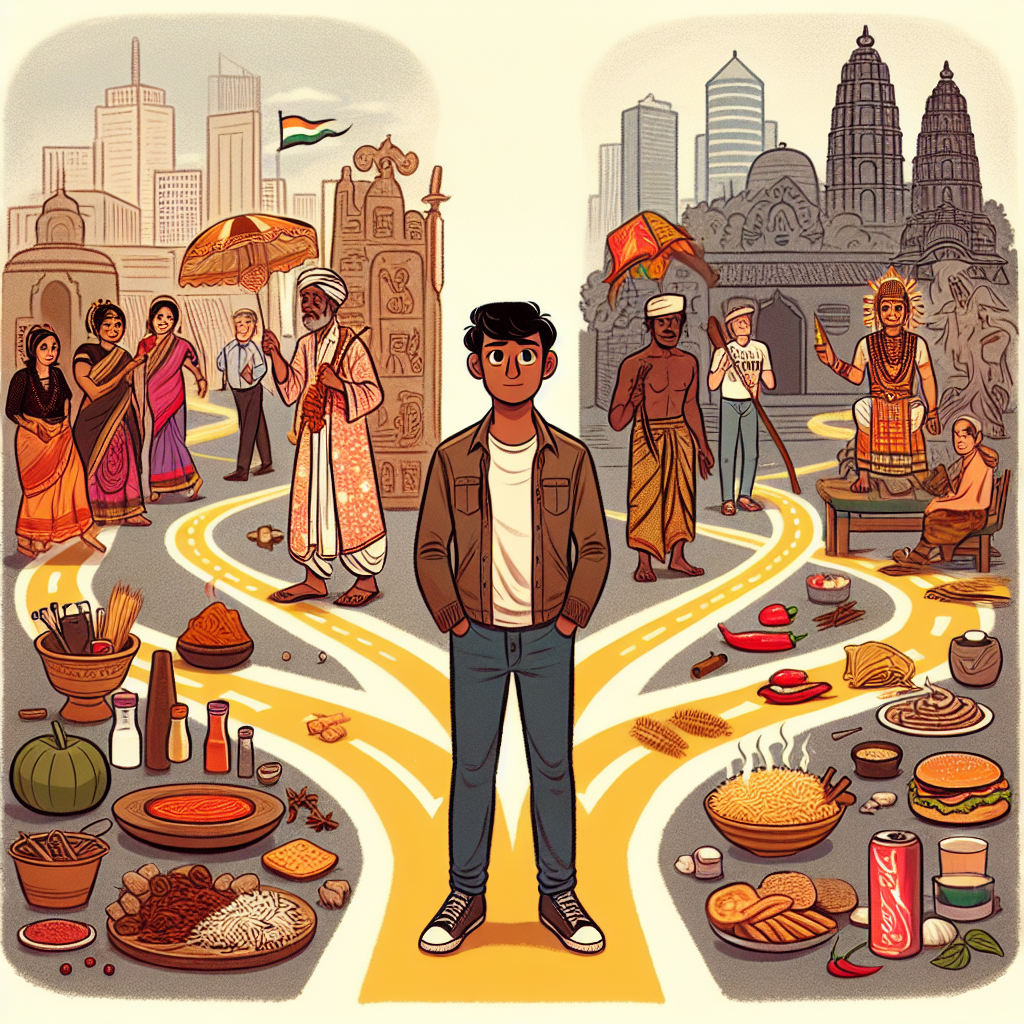
In the heart of every second-generation immigrant lies a complex tapestry woven from threads of cultural heritage and personal aspiration. This delicate interplay between identity and desire often manifests in profound ways, particularly when it comes to love. For those navigating this intricate landscape, the journey can be both beautiful and tumultuous, as they strive to reconcile their familial roots with their individual yearnings. The experience is akin to standing at a crossroads, where one path leads back to the rich traditions of their ancestors while the other beckons toward an uncharted future filled with possibilities.
As children of immigrants, many second-generation individuals grow up with stories of sacrifice and resilience echoing through their homes. These narratives shape their understanding of love and relationships, imbuing them with a sense of duty towards family and culture. Yet, as they step into the world, they are also influenced by the values and norms of the society around them. This duality can create a fascinating tension; on one hand, there is the deep-rooted desire to honor one’s heritage, while on the other, there exists an equally compelling urge to explore romantic connections that may not always align with traditional expectations.
For many, the pursuit of love becomes a means of self-discovery, allowing them to navigate their own identities amidst the weight of cultural expectations. They find themselves drawn to partners who represent both familiarity and novelty—individuals who reflect aspects of their cultural background but also embody the diverse influences of contemporary life. In this way, love serves as a bridge between two worlds, enabling second-generation immigrants to embrace their multifaceted identities without feeling confined by them.
However, the journey is rarely straightforward. Many face pressure from family members who hold steadfast beliefs about romance and marriage. The challenge lies in balancing these expectations with personal desires. Moments of conflict arise as they grapple with questions of loyalty and belonging. Should they choose a partner who aligns with their cultural background, or follow their hearts toward someone outside their community? Each decision carries weight, not only for their own happiness but also for how it might affect familial relationships.
Navigating this intersection of identity and desire requires courage and introspection. It involves exploring what love truly means within the context of their upbringing while remaining open to new experiences. As they delve deeper into their relationships, second-generation immigrants often discover that love is not merely about compatibility but also about shared values, mutual respect, and emotional connection. This realization empowers them to redefine what it means to belong—to cultivate a love that honors their roots while simultaneously carving out space for personal growth.
Ultimately, the journey through love and cultural identity is a transformative process. It invites second-generation immigrants to embrace the fluidity of their experiences, allowing them to flourish in environments that celebrate diversity. By forging connections that transcend cultural boundaries, they contribute to a richer narrative—a story that reflects the beauty of melding different heritages while affirming the importance of individuality. In this dance between tradition and modernity, they learn that desire is not just a longing for companionship; it is also a quest for authenticity, a celebration of all that makes them uniquely themselves. Thus, navigating desire becomes not only a personal journey but also an act of cultural storytelling, illuminating the paths taken by those who came before while paving the way for generations yet to come.
Navigating Familial Expectations in Romantic Relationships
For many second-generation immigrants, the journey of navigating familial expectations in romantic relationships can often feel like walking a tightrope. On one hand, there is the desire to embrace love and connection on an individual level, while on the other, the weight of cultural heritage and family traditions looms large. This delicate balance becomes even more intricate when one considers the myriad of values that shape both personal aspirations and familial obligations. In this context, love is not merely a feeling; it transforms into a complex interplay of emotions, where passion meets duty and longing collides with expectation.
As children of immigrant parents, individuals frequently find themselves caught between two worlds. The ideals instilled by their families often stem from rich cultural histories that emphasize communal bonds and familial honor. These values can lead to high expectations regarding whom they should date or marry, often prioritizing compatibility within cultural norms over personal preference. As such, the quest for romance can be fraught with tension as one navigates through the intricacies of parental approval and societal expectations. Love becomes a negotiation, where every decision feels weighed against the potential disappointment of loved ones.
In many cases, the pressure to conform can manifest itself in subtle ways. Family gatherings become arenas of scrutiny, where questions about relationship status are common and well-meaning relatives may offer unsolicited advice rooted in tradition. It’s in these moments that the struggle becomes palpable: how does one honor their heritage while also pursuing a personal path? The answer lies in open dialogue and understanding. By fostering communication with family members, second-generation immigrants can begin to bridge the gap between their own desires and their family’s expectations. Sharing personal experiences and feelings can illuminate the complexities of modern love, allowing parents to see beyond their traditional views and appreciate the unique challenges faced by their children.
Moreover, as individuals embark on their romantic journeys, they often discover the importance of self-identity amidst external pressures. Embracing one’s cultural background while simultaneously carving out a distinct personal narrative can empower individuals to redefine what love means to them. In doing so, they create space for authentic connections that resonate deeply with their values and aspirations. This process not only enriches their relationships but also serves as a powerful testament to the blending of cultures—an act of love that honors both personal choice and familial legacy.
However, this navigation is not without its hurdles. Conflicts may arise when a partner does not align with familial expectations, leading to heart-wrenching dilemmas. Yet, these challenges often present opportunities for growth and understanding. Through patience and empathy, families can learn to appreciate diverse perspectives, ultimately fostering stronger bonds that transcend generational divides. In essence, navigating familial expectations in romantic relationships requires courage—a willingness to advocate for oneself while remaining respectful of those who came before.
Ultimately, love in the context of cultural identity is a beautiful tapestry woven from threads of history, emotion, and aspiration. For second-generation immigrants, each romantic encounter becomes an exploration not just of the heart but also of heritage. As they navigate the expectations set by their families, they carve out spaces for genuine connection that honor both their individuality and their roots. In this dance between tradition and modernity, love flourishes—not merely as a pursuit of happiness but as a profound journey toward understanding oneself and honoring the legacies that shape us.
Rediscovering Self: Embracing Cultural Roots While Seeking Love
In a world where the heart often seeks connection, the journey of love becomes intricately woven with the threads of cultural identity. For many second-generation immigrants, this quest is not merely about finding romance; it represents a deeper exploration of self and heritage. As they navigate the complexities of desire, these individuals often find themselves standing at the crossroads of their parents’ traditions and their own evolving identities. This delicate balance can lead to profound moments of rediscovery, as they embrace their cultural roots while simultaneously forging new paths in the realm of love.
The longing for belonging frequently drives the search for companionship, creating a unique dynamic for those who straddle two worlds. On one hand, there is the rich tapestry of ancestral customs that shapes their upbringing, filled with stories, languages, and rituals passed down through generations. On the other hand, there is the vibrant allure of contemporary society, which often champions individualism and personal freedom. In this interplay, the second-generation immigrant learns to appreciate both aspects, recognizing that embracing their cultural heritage does not mean sacrificing their personal desires or aspirations.
As they embark on romantic relationships, these individuals often find themselves reflecting on what it means to love authentically within the context of their culture. They may grapple with expectations from family and community, particularly when it comes to choosing partners whose backgrounds align with their own. Yet, amidst these pressures, there lies an opportunity for growth and understanding. Engaging in conversations about love—what it looks like, feels like, and how it manifests across different cultures—can foster connections that transcend traditional boundaries. Through dialogue and shared experiences, partners can create a space where cultural differences are celebrated rather than shunned.
Moreover, rediscovering oneself involves revisiting the values instilled during childhood. Family gatherings filled with laughter, music, and food serve as reminders of the beauty inherent in one’s heritage. When love enters the picture, these cherished memories take on new significance, inviting partners to partake in traditions that enrich their relationship. Whether it is cooking a beloved family recipe together or celebrating festivals that honor their roots, such activities deepen intimacy and cultivate a sense of unity. In this way, love becomes a canvas upon which cultural narratives are painted, allowing both partners to contribute their stories and perspectives.
However, the journey is not without its challenges. The struggle to maintain one’s cultural identity while pursuing love can evoke feelings of alienation and confusion. At times, navigating differing values or familial expectations can feel overwhelming. Nevertheless, this complexity also serves as a catalyst for self-discovery, prompting individuals to articulate their needs and desires more clearly. By engaging openly with their partners about the significance of cultural practices and beliefs, they build bridges that enhance mutual respect and understanding.
Ultimately, the process of rediscovering oneself while seeking love is an enriching experience. It invites second-generation immigrants to embrace their multifaceted identities fully. In doing so, they learn that love is not merely a destination but a journey—a beautiful intertwining of past and present, tradition and modernity. Each step taken along this path fosters a deeper appreciation for both their heritage and the bonds they form, illuminating the way toward a future where love flourishes amidst cultural richness.
Conclusion
“Navigating Desire: A Second-Generation Immigrant’s Journey Through Love and Cultural Identity” explores the complexities of balancing cultural heritage with personal identity in the realm of romantic relationships. The narrative highlights the struggles and triumphs faced by second-generation immigrants as they navigate societal expectations, familial pressures, and their own desires. Ultimately, it underscores the importance of self-discovery and acceptance in forging meaningful connections, illustrating that love can be a powerful bridge between diverse cultural backgrounds and individual aspirations.