
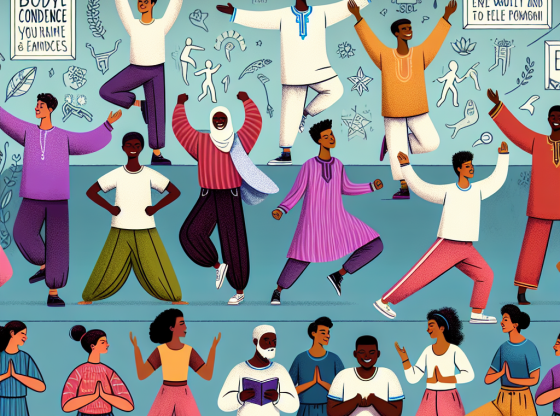
Navigating Desires: Embracing Body Confidence in the Teenage Journey explores the complex interplay between adolescent development and body image. During these formative years, teenagers grapple with societal pressures, personal insecurities, and the quest for self-acceptance. This introduction delves into the importance of fostering body confidence as a means to empower young individuals, encouraging them to embrace their unique identities while challenging unrealistic beauty standards. Through understanding the psychological and social factors at play, this exploration aims to provide insights and strategies for cultivating a positive relationship with one’s body, ultimately guiding teens toward a healthier, more confident self-image.
Understanding Body Image: The Teenage Perspective
Understanding body image during the teenage years is a complex journey, filled with both challenges and opportunities for growth. As adolescents transition from childhood to adulthood, they find themselves caught in a whirlwind of physical changes, social pressures, and evolving identities. This period, often marked by self-discovery, can become a battleground for self-esteem as teenagers grapple with their perceptions of beauty and worth. It is essential to recognize that body image is not merely about how one looks; it encapsulates feelings, beliefs, and attitudes towards one’s body.
At this stage in life, many teenagers begin to compare themselves to peers and media representations, which can significantly influence their self-image. The pervasive presence of social media amplifies these comparisons, presenting idealized versions of beauty that are often unattainable. For many young people, scrolling through perfectly curated images can lead to feelings of inadequacy and dissatisfaction. However, amidst this chaos, there lies an opportunity for deeper understanding and acceptance. By acknowledging these influences, teenagers can begin to discern between reality and illusion, fostering a more compassionate relationship with their bodies.
Moreover, the teenage perspective on body image is deeply intertwined with cultural narratives and societal expectations. Different cultures celebrate various ideals of beauty, shaping how individuals perceive themselves and others. Thus, the journey toward body confidence becomes not only personal but also communal. Engaging in open dialogues about diverse body types and challenging conventional standards can empower teenagers to embrace their uniqueness. Such conversations pave the way for a more inclusive definition of beauty—one that honors individuality rather than conformity.
As teenagers navigate this intricate landscape, they may encounter moments of vulnerability where insecurities surface. It is crucial to understand that these feelings are valid and shared by many. In times of doubt, turning inward and practicing self-compassion can be transformative. Instead of succumbing to negative thoughts, embracing positive affirmations and focusing on personal strengths can create a shift in perspective. Recognizing that everyone has flaws and imperfections can help cultivate a sense of solidarity among peers, fostering an environment where authenticity thrives.
In addition to internal reflections, external support plays a pivotal role in shaping body image during adolescence. Friends, family, and mentors can provide encouragement and validation, reminding teenagers that their worth extends far beyond physical appearance. Celebrating achievements, talents, and qualities unrelated to looks nurtures a holistic view of self-worth. Furthermore, engaging in activities that promote body positivity—such as sports, dance, or art—can enhance self-esteem while cultivating joy in movement and creativity.
Ultimately, the teenage journey toward body confidence is a delicate balance of navigating desires and embracing one’s unique identity. It involves recognizing that body image is fluid and can evolve over time. Encouraging self-exploration and resilience allows teenagers to redefine their relationships with their bodies, paving the way for a healthier mindset as they grow into adulthood. By fostering an environment that values diversity and encourages self-love, society can help guide young people through this tumultuous phase, empowering them to embrace their bodies with grace and confidence. As they learn to appreciate their own beauty amid the noise of comparison, teenagers can emerge stronger, equipped with the tools necessary to navigate life’s complexities with poise and passion.
Building Self-Esteem Through Positive Affirmations

In the intricate dance of adolescence, where emotions ebb and flow like the tides, building self-esteem becomes a vital pursuit for many teenagers. At this tender age, insecurities often surface, manifesting in doubts about one’s appearance or worth. However, amid these challenges lies a powerful tool: positive affirmations. By embracing these simple yet profound statements, teens can embark on a transformative journey toward body confidence, allowing them to navigate their desires with grace and poise.
To begin with, it is essential to understand that positive affirmations serve as gentle reminders of one’s inherent value and beauty. When repeated daily, they create an inner dialogue that replaces negative thoughts with uplifting messages. For instance, a teen might look in the mirror and say, “I am unique, and my individuality is my strength.” This affirmation not only acknowledges personal differences but also fosters a sense of belonging in a world that often emphasizes conformity. As these words resonate within, they encourage young people to celebrate their distinctiveness rather than diminish it.
Moreover, the practice of affirmations can be particularly empowering when faced with societal pressures that dictate unrealistic standards of beauty. In a culture saturated with images of idealized bodies, teenagers may feel compelled to conform to certain norms. However, by integrating positive affirmations into their daily routines, they cultivate resilience against such external influences. Phrases like “My body is strong and capable” help shift focus from superficial appearances to the remarkable abilities each individual possesses. This newfound appreciation nurtures a deeper connection with oneself, fostering a love that transcends mere physicality.
As teenagers continue to explore their identities, the role of supportive communities cannot be overlooked. Surrounding oneself with friends who share similar values reinforces the impact of positive affirmations. Together, they can create an environment where encouragement flourishes, and self-love becomes contagious. Imagine a group of friends gathered in a circle, exchanging compliments and affirmations; the energy generated in such moments can uplift spirits and strengthen bonds. In this way, the act of affirming one another becomes a collective celebration of authenticity, encouraging everyone to embrace their true selves without fear of judgment.
Transitioning from self-acceptance to self-expression is another beautiful aspect of this journey. As teenagers grow more confident in their bodies and identities, they often seek creative outlets through which to express themselves. Whether it be through art, fashion, or dance, these forms of expression become extensions of their newfound self-love. They provide avenues to showcase their uniqueness while reinforcing the message that beauty comes in myriad forms. The vibrant colors of creativity reflect the diversity of human experience, reminding teens that there is no singular definition of attractiveness.
Ultimately, the path to body confidence during adolescence is illuminated by the light of positive affirmations. Through consistent practice, individuals can dismantle the barriers of insecurity and self-doubt that threaten to overshadow their brilliance. With every affirmation spoken aloud, teens weave together a tapestry of self-worth that celebrates both their inner and outer beauty. As they learn to navigate their desires with authenticity, they emerge not just as individuals, but as radiant beings ready to embrace life’s adventures with open hearts and unwavering confidence. Thus, the journey towards self-esteem becomes not merely a destination but a lifelong pilgrimage filled with love, acceptance, and joy.
Social Media’s Impact on Body Confidence
In the intricate tapestry of teenage life, social media weaves a powerful thread that can significantly influence body confidence. As adolescents navigate the tumultuous waters of self-discovery and acceptance, platforms such as Instagram, TikTok, and Snapchat emerge as both mirrors and magnifiers of societal ideals. These digital landscapes are often filled with curated images showcasing seemingly perfect bodies, which can lead to an intense comparison game among young users. The allure of likes and followers creates an environment where external validation becomes paramount, leaving many teenagers grappling with their self-worth based on how they measure up against these idealized standards.
However, it is essential to recognize that social media also holds the potential for empowerment and positive change. While some content may perpetuate unrealistic beauty norms, a growing number of influencers and advocates champion body positivity and diversity. By sharing their stories and celebrating unique shapes, sizes, and appearances, these voices help to dismantle the narrow definitions of beauty that have long dominated popular culture. This counter-narrative encourages teenagers to embrace their individuality rather than conform to fleeting trends, fostering a sense of belonging within a community that values authenticity over perfection.
Moreover, the connection between social media and body confidence is not merely about the images presented but also about the narratives surrounding them. Many young people find solace in the shared experiences of others who struggle with similar insecurities. Through hashtags like #BodyPositivity and #SelfLove, teenagers can engage in conversations that affirm their feelings and encourage self-acceptance. This virtual camaraderie serves as a reminder that they are not alone in their journeys, creating a supportive network that transcends geographical boundaries.
As teens delve deeper into the world of social media, they must cultivate critical thinking skills to discern between reality and illusion. It is vital for them to understand that many images are heavily edited or filtered, presenting an unattainable standard that does not reflect real life. By fostering media literacy, educators and parents can equip young individuals with the tools necessary to navigate this complex terrain with resilience. Encouraging open discussions about the impact of social media on body image can empower teenagers to take control of their narratives and redefine what beauty means to them personally.
Furthermore, it is important to highlight the role of self-expression through social media. Platforms provide opportunities for creativity and exploration, allowing teenagers to showcase their passions, talents, and identities beyond physical appearance. When young people focus on expressing their true selves—whether through art, fashion, or activism—they shift the emphasis from mere looks to personal growth and character development. This shift in focus can enhance body confidence by reinforcing the idea that worth extends far beyond superficial attributes.
Ultimately, navigating desires during the teenage years involves a delicate balance between embracing social media’s power and understanding its pitfalls. As adolescents learn to appreciate their bodies amidst a sea of external influences, they can harness the positive aspects of social media while rejecting harmful comparisons. By fostering an environment rich in support, education, and open dialogue, society can guide teenagers toward a more profound sense of body confidence—one rooted in love, acceptance, and the celebration of their beautiful uniqueness.
Strategies for Promoting Healthy Body Positivity Among Teens
In a world where images of perfection saturate social media feeds and the ideals of beauty are often skewed, promoting healthy body positivity among teens becomes essential. As they navigate through the tumultuous waters of adolescence, it is crucial to arm them with strategies that foster a sense of self-acceptance and appreciation for their unique bodies. One effective approach involves encouraging open conversations about body image within families and peer groups. By creating a safe space where teens can express their insecurities and feelings, we invite vulnerability into the dialogue, allowing for genuine connections and support.
Moreover, education plays a pivotal role in nurturing body confidence. Schools can integrate lessons on media literacy, teaching students to critically analyze the unrealistic portrayals of bodies that dominate popular culture. Through discussions about the impact of photo editing and the marketing strategies behind beauty products, teens can develop a discerning eye, enabling them to challenge the narrow definitions of attractiveness that society often promotes. This knowledge empowers them to embrace their individuality rather than conforming to fleeting trends.
Furthermore, promoting diverse representations of beauty in various platforms can significantly influence how teens perceive themselves. When they see individuals of all shapes, sizes, colors, and abilities celebrated in fashion, advertising, and entertainment, it helps to normalize the idea that beauty is not monolithic but rather a vibrant tapestry of differences. Encouraging teens to follow role models who embody body positivity can inspire them to appreciate their own features, fostering an environment where acceptance flourishes.
In addition to these educational initiatives, engaging in activities that promote physical well-being without an emphasis on weight loss or appearance can further enhance body positivity. Sports, dance, yoga, and other forms of movement can be reframed as expressions of joy and creativity rather than mere tools for achieving a certain look. By focusing on how these activities make them feel—stronger, more agile, or simply happier—teens can cultivate a love for their bodies rooted in functionality and enjoyment rather than aesthetic standards.
Equally important is the language we use when discussing bodies. Encouraging teens to adopt positive affirmations and practice self-compassion can drastically alter their internal dialogues. Instead of critiquing perceived flaws, guiding them towards celebrating what makes them unique fosters resilience against societal pressures. Simple phrases like “I am enough” or “My worth is not defined by my appearance” can serve as powerful reminders of their inherent value.
Additionally, involving teens in community service or advocacy work related to body positivity can instill a sense of purpose and belonging. When they actively contribute to causes that champion inclusivity and acceptance, it not only reinforces their beliefs but also connects them with like-minded peers. This shared mission can create lasting friendships built on mutual support and understanding.
Ultimately, the journey toward embracing body confidence during the teenage years is multifaceted and requires ongoing effort from parents, educators, and peers alike. By weaving together open communication, education, diverse representation, joyful movement, positive language, and community involvement, we can guide teens toward a place of self-love and acceptance. In doing so, we nurture a generation that celebrates authenticity over conformity, empowering them to navigate their desires with grace and confidence.
Conclusion
Navigating desires and embracing body confidence during the teenage years is a crucial aspect of personal development. As adolescents confront societal standards and peer influences, fostering a positive self-image becomes essential for their emotional well-being. By promoting acceptance and appreciation of diverse body types, encouraging open discussions about body image, and providing supportive environments, teenagers can cultivate resilience against external pressures. Ultimately, empowering young individuals to embrace their unique selves not only enhances their confidence but also lays the foundation for healthier relationships with their bodies throughout life.