
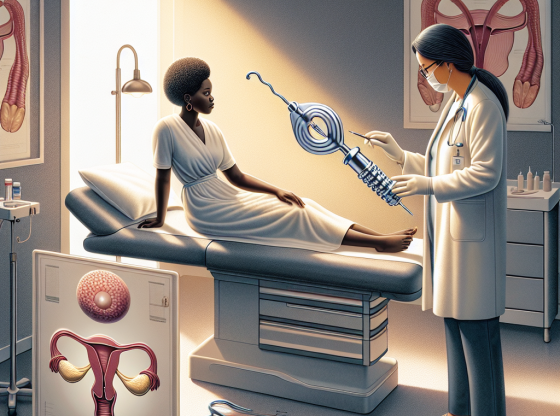
Navigating Pleasure and Pain: The Art of IUD Insertion Mastery explores the intricate balance between patient comfort and clinical precision in the insertion of intrauterine devices (IUDs). This comprehensive guide delves into the physiological, psychological, and technical aspects of the procedure, providing healthcare professionals with essential insights to enhance their skills. By emphasizing effective communication, pain management techniques, and evidence-based practices, this work aims to empower practitioners to create a supportive environment that minimizes discomfort while maximizing efficacy. Through a blend of expert perspectives and practical strategies, it seeks to transform the often daunting experience of IUD insertion into a more positive and empowering journey for patients.
Understanding the IUD Insertion Process
The journey of understanding the IUD insertion process can often feel like stepping into a dance, where anticipation and uncertainty intertwine. As one prepares for this intimate procedure, it is essential to appreciate both the beauty and complexity involved in achieving comfort and safety. The intrauterine device (IUD) has become a favored choice for many seeking effective long-term contraception, yet the prospect of insertion may evoke a range of emotions. Embracing knowledge about the procedure can transform anxiety into empowerment, allowing individuals to navigate this experience with grace.
At the heart of the IUD insertion process lies an understanding of the anatomy involved. The uterus, a remarkable organ designed to nurture life, becomes the canvas upon which this delicate art unfolds. Before the insertion begins, healthcare providers take time to create a serene atmosphere, easing tensions and fostering trust. It is during these moments that open communication blossoms, allowing patients to express their concerns or desires regarding pain management options. By discussing available methods—such as local anesthesia or over-the-counter pain relief—individuals can cultivate a sense of agency, choosing what feels right for them.
Once preparations are complete, the actual insertion process begins, marking a pivotal moment in this shared experience between patient and provider. With gentle hands and expert precision, the healthcare professional guides the IUD through the cervix, a passage that may elicit discomfort akin to a fleeting embrace. While some may describe this sensation as sharp or cramping, others find solace in knowing that it is transient, much like a wave that rises before receding back into the ocean. This juxtaposition of pleasure and pain serves to remind us of our own resilience; within the discomfort lies the promise of liberation from unwanted pregnancies.
As the IUD settles into place, it symbolizes more than just a contraceptive method—it embodies autonomy over one’s reproductive choices. The initial sensations experienced during insertion gradually give way to a newfound peace, as the body adapts to its presence. In this moment, the individual may reflect on the profound connection between mind and body, recognizing how vulnerability can lead to empowerment. Many find solace in the knowledge that they have taken charge of their reproductive health, embracing the freedom that accompanies such decisions.
After the insertion, it is vital to acknowledge the importance of follow-up care. Just as a gardener tends to newly planted seeds, so too must individuals nurture their well-being in the days following the procedure. Monitoring one’s body for any unusual symptoms or changes fosters an ongoing relationship with health, reinforcing the idea that self-care is a continuous journey rather than a destination. Moreover, regular check-ins with healthcare providers offer reassurance and guidance, ensuring that every step along this path remains illuminated.
In conclusion, navigating the IUD insertion process is not merely about enduring discomfort; it is an intricate dance of understanding, trust, and empowerment. By embracing both the pleasurable aspects of autonomy and the challenges of temporary pain, individuals can transform their experiences into opportunities for growth. Ultimately, this mastery of the insertion process invites us to celebrate the beautiful complexities of our bodies and the choices we make within them.
Techniques for Reducing Discomfort During IUD Insertion

Navigating the delicate balance between pleasure and pain during IUD insertion is an art form that requires both skill and sensitivity. While the procedure may evoke a spectrum of emotions, understanding effective techniques for reducing discomfort can transform this experience into one that feels more manageable and even empowering. Central to this transformation is the importance of creating a calming environment, as the ambiance can significantly influence a patient’s comfort levels. Soft lighting, soothing music, and gentle conversation can help ease anxiety, allowing individuals to feel more at ease before the procedure begins.
In addition to establishing a serene atmosphere, practitioners can employ various physical techniques designed to minimize discomfort. One such method involves using a local anesthetic or numbing gel prior to insertion. This approach acts as a gentle embrace, wrapping the area in warmth and alleviating immediate sensations of pain. Furthermore, the use of smaller, flexible instruments can make a significant difference; these tools are akin to a painter’s brush, delicately navigating the canvas of the body with precision and care. By opting for equipment that prioritizes comfort, healthcare providers can help patients feel less intrusive pressure, thus reducing overall discomfort during the process.
As we delve deeper into the intricacies of IUD insertion, it becomes evident that timing plays a pivotal role in enhancing comfort. Scheduling the procedure during menstruation can be beneficial, as the cervix naturally opens slightly during this time, allowing for a smoother insertion process. This timing strategy aligns beautifully with nature’s rhythm, harmonizing the body’s cycles with medical intervention. Additionally, encouraging deep breathing techniques can serve as a powerful tool throughout the procedure. As patients focus on their breath, they create a personal sanctuary within themselves, cultivating relaxation that counters any impending discomfort.
Moreover, communication between the practitioner and patient cannot be overstated. Establishing a rapport fosters trust, transforming what might feel like a clinical transaction into a shared journey of exploration. When patients feel heard and understood, they are more likely to express their concerns and preferences openly, paving the way for tailored approaches that prioritize individual comfort. Practitioners can also reassure patients by explaining each step of the process beforehand, demystifying the experience and reducing fear of the unknown.
In exploring additional methods to enhance comfort during IUD insertion, some professionals recommend utilizing distraction techniques. Engaging patients in light conversation or providing them with stress-relief tools—such as fidget toys or visualization exercises—can effectively redirect attention away from discomfort. This technique not only empowers individuals but also creates a sense of agency over their own bodies. It encourages a mindset that embraces the possibility of positive outcomes rather than fixating solely on potential pain.
Finally, aftercare plays an essential role in ensuring lasting comfort following IUD insertion. Offering clear guidance on post-procedure expectations allows patients to navigate their recovery confidently. Encouraging rest and self-care rituals reinforces the notion that pleasure and pain exist along a continuum, ultimately leading toward healing and empowerment.
By integrating these techniques into the IUD insertion experience, healthcare providers can foster an environment where discomfort is minimized, and confidence is cultivated. In this harmonious dance between pleasure and pain, individuals emerge not just as passive recipients of care but as active participants in their health journeys.
The Role of Communication in Patient Comfort
In the delicate dance of healthcare, communication serves as the heartbeat that sustains patient comfort during procedures like IUD insertion. As patients step into the clinical setting, they often carry a mix of anticipation and anxiety; thus, the role of effective communication becomes paramount in transforming what could be an uncomfortable experience into one marked by understanding and reassurance. It is within this space of interaction that healthcare providers can weave a tapestry of connection, fostering an environment where patients feel seen and heard.
At the outset, it is essential to recognize that every individual comes with their own narrative—filled with unique experiences, fears, and expectations. Therefore, initiating an open dialogue allows healthcare providers to tailor their approach to meet each patient’s specific needs. By inviting questions and encouraging patients to express their concerns, practitioners create a sanctuary of trust. This simple act of listening can dissolve the walls of apprehension, allowing for a more intimate exploration of the procedure ahead.
As the conversation unfolds, the provider’s language plays a crucial role in shaping the patient’s perception. Using clear, compassionate terminology can demystify the process, turning clinical jargon into relatable explanations. For instance, describing the sensation of cramping or pressure during insertion in a gentle manner helps set realistic expectations while simultaneously reassuring the patient that discomfort is temporary. Such transparency fosters a sense of agency, empowering individuals to engage actively in their care rather than feeling like passive participants in a medical procedure.
Moreover, the importance of non-verbal communication cannot be overstated. The warmth of a smile, the softness of a voice, and the openness of body language all contribute to creating a safe haven for patients. When providers maintain eye contact and adopt a relaxed posture, they communicate empathy and understanding without uttering a single word. These subtle cues can significantly alleviate anxiety, allowing patients to feel more at ease as they navigate the intricacies of IUD insertion.
Transitioning from discussion to action, it remains vital for providers to offer continuous verbal support throughout the procedure itself. Phrases like “You’re doing great” or “Just a little longer” serve not only as encouragement but also as anchors that help patients remain grounded amid potential discomfort. Acknowledging the sensations experienced during insertion and validating them as part of the journey further enhances this experience. In doing so, healthcare professionals invite patients to embrace their bodies’ responses, cultivating a deeper connection between mind and body.
Finally, aftercare communication holds equal weight in ensuring lasting comfort. Engaging in follow-up conversations about post-insertion experiences allows patients to voice any lingering concerns or queries. This ongoing dialogue reinforces the notion that their well-being extends beyond the confines of the clinic, nurturing a relationship built on mutual respect and care.
In conclusion, the art of mastering IUD insertion transcends mere technical skill; it thrives within the realm of communication. By prioritizing empathetic dialogue and fostering an atmosphere of trust, healthcare providers can transform what may initially seem like a daunting experience into one imbued with comfort and understanding. Ultimately, when pleasure and pain intertwine seamlessly through the power of words, patients emerge not just with an IUD but with a renewed sense of empowerment over their reproductive health.
Managing Post-Insertion Pain and Side Effects
Navigating the delicate balance between pleasure and pain often resembles an intricate dance, especially when it comes to managing post-insertion discomfort following an IUD (intrauterine device) procedure. As one embarks on this journey, understanding what to expect can transform a potentially daunting experience into a more graceful passage. After the insertion, many individuals may encounter various sensations—some fleeting, others lingering—which can evoke feelings of anxiety or uncertainty. However, knowing how to navigate these waters can help foster a sense of empowerment and control.
To begin with, it’s important to acknowledge that mild cramping is a common occurrence after the IUD insertion. This sensation may feel akin to menstrual cramps, creating a familiar yet unwelcome reminder of the body’s adaptive response to new changes. Embracing heat can be a soothing remedy; whether through a warm compress placed gently on the abdomen or indulging in a relaxing bath, warmth has a remarkable ability to ease tension and promote comfort. As you immerse yourself in this gentle embrace, consider it a nurturing act of self-love—a moment to honor your body’s resilience.
Furthermore, hydration plays a crucial role in enhancing overall well-being during this transitional phase. Sipping herbal teas or infused water not only serves to hydrate but also provides an opportunity for mindfulness. Each sip becomes a ritual, allowing you to connect with your body and its needs while simultaneously offering solace to any discomfort that may arise. Staying hydrated can alleviate some of the side effects associated with hormonal fluctuations, which might accompany the IUD experience.
As the days unfold, one may find themselves confronting other potential side effects, such as irregular bleeding or spotting. While these variations can initially stir unease, they are often part of the body’s adjustment process. It is essential to approach these changes with patience and understanding, recognizing that they are temporary companions on this journey. Keeping track of your cycle can provide valuable insights, helping you appreciate the ebb and flow of your body’s rhythm.
Moreover, engaging in light physical activity can contribute significantly to alleviating discomfort. Gentle stretches or leisurely walks allow for the release of endorphins—the body’s natural painkillers—and create a harmonious connection between mind and body. These activities serve as reminders that even in moments of discomfort, movement can evoke a sense of freedom and joy. Listening to music or practicing deep breathing techniques during these exercises can further enhance relaxation and promote an uplifting atmosphere.
It is also wise to have an open dialogue with healthcare providers regarding any persistent or severe pain that may arise post-insertion. Understanding that every individual’s experience is unique fosters a supportive environment where concerns can be addressed without hesitation. Seeking guidance allows for informed decisions and reassurances that pave the way toward peace of mind.
Ultimately, managing post-insertion pain and side effects requires a blend of self-care, patience, and communication. By embracing these strategies, one can cultivate a deeper appreciation for their body’s capacity to adapt and heal. In doing so, the experience transforms from merely navigating discomfort into an intimate exploration of self-awareness and growth, reminding us that within the realms of pleasure and pain lies an exquisite tapestry of human experience.
Conclusion
Mastering the art of IUD insertion involves a delicate balance between navigating pleasure and pain, ensuring patient comfort while delivering effective contraception. By honing skills in technique, communication, and empathy, healthcare providers can enhance the experience for patients, reducing anxiety and discomfort associated with the procedure. Ultimately, successful IUD insertion mastery not only contributes to improved reproductive health outcomes but also fosters trust and satisfaction in the patient-provider relationship.