

Navigating Relationships: How to Be Seen as a Person, Not a Role is an insightful exploration into the complexities of human connections. This guide delves into the challenges individuals face when they are pigeonholed into specific roles—be it as a parent, professional, or partner—rather than being recognized for their unique identities. By examining societal expectations and personal dynamics, the book offers practical strategies for breaking free from these limiting labels. It emphasizes the importance of authentic communication, empathy, and self-awareness in fostering relationships where individuals are valued for who they truly are. Through real-life examples and expert advice, this resource aims to help readers cultivate deeper, more meaningful interactions that honor their individuality and enrich their lives.
Building Authentic Connections: Moving Beyond Stereotypes in Relationships
In the intricate dance of relationships, where emotions sway and intertwine like a delicate waltz, it is all too easy to fall into the trap of seeing others merely as roles rather than as multi-faceted individuals. Society often imposes stereotypes that dictate how we perceive and interact with those around us—be they partners, friends, or family members. Moving beyond these superficial labels can pave the way for deeper, more authentic connections that are founded on genuine understanding and appreciation.
One of the first steps in building authentic connections is to recognize and challenge our own preconceived notions. Stereotypes often serve as mental shortcuts, but they come at the cost of obscuring the true essence of a person. When we see someone primarily through the lens of their role—such as “the caregiver,” “the breadwinner,” or “the nurturer”—we risk overlooking the rich tapestry of experiences, dreams, and vulnerabilities that make them unique. By consciously choosing to look beyond these roles, we open ourselves up to discovering the real person beneath the surface.
Transitioning from seeing roles to recognizing individuals involves active listening and empathetic engagement. Rather than assuming we know what someone thinks or feels based on their role, we must take the time to ask questions and truly listen to their responses. This requires patience and a willingness to be present in the moment, setting aside distractions and preconceived judgments. Through such attentive listening, we not only learn about the other person’s inner world but also convey that we value them for who they are, not just for the function they serve in our lives.
Moreover, vulnerability plays a crucial role in fostering genuine connections. When we allow ourselves to be vulnerable, we invite others to do the same. Sharing our fears, hopes, and insecurities can break down the barriers imposed by societal roles and create a space where authentic interaction can flourish. It is within this shared vulnerability that trust is built, enabling relationships to evolve from mere associations into profound emotional bonds.
Another essential aspect of moving beyond stereotypes is celebrating individuality. Each person brings a unique set of qualities and perspectives to a relationship, which should be acknowledged and cherished. Instead of expecting people to conform to predefined roles, embracing their distinct attributes can enrich the relationship and provide new avenues for growth and mutual discovery. Whether it’s appreciating a partner’s creative spirit, a friend’s adventurous nature, or a family member’s wisdom, focusing on individual strengths helps cultivate an environment of respect and admiration.
Furthermore, effective communication is indispensable in navigating relationships without falling back on roles. Expressing our needs and desires openly and honestly allows for a more nuanced understanding between parties involved. It also prevents misunderstandings that often arise when assumptions based on roles go unchallenged. By fostering a dialogue rooted in clarity and sincerity, we create a foundation where both parties feel seen and valued as whole persons.
In conclusion, moving beyond stereotypes in relationships demands a conscious effort to see each person as an individual rather than a role. Through active listening, empathetic engagement, shared vulnerability, celebration of individuality, and effective communication, we can build connections that transcend societal labels. These authentic interactions not only deepen our relationships but also enrich our lives with the beauty of true human connection. As we navigate the complex landscape of relationships, let us strive to honor the unique essence of each person we encounter, nurturing bonds that resonate with authenticity and love.
The Importance of Vulnerability in Being Truly Seen by Others
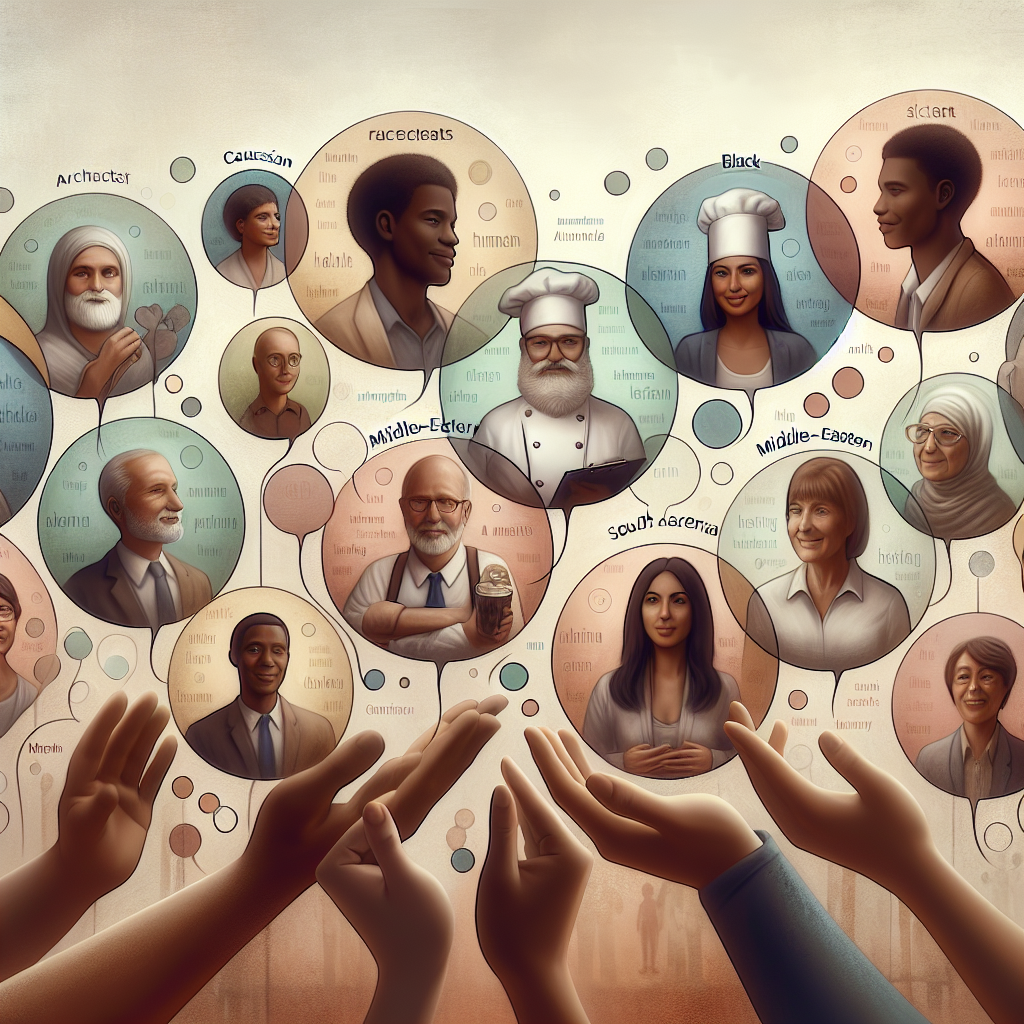
In the intricate dance of human connections, vulnerability stands as the delicate thread that weaves hearts together, transforming mere acquaintances into profound relationships. To be truly seen by others, not merely as a role but as an individual with depth and dimensions, demands an openness that many fear to embrace. Vulnerability is often misconstrued as weakness; however, it is this very quality that allows for genuine intimacy and understanding.
Imagine a relationship where both parties only perform their designated roles—whether it be as a partner, friend, or colleague. The interactions might be polite and functional, yet they lack the richness that comes from sharing one’s true self. When people hide behind masks of perfection or competence, they create barriers that prevent deeper connections. Conversely, allowing oneself to be vulnerable means showing imperfections, fears, and dreams, thus inviting others to do the same.
Moreover, vulnerability fosters trust. When you share your innermost thoughts and feelings, you signal to the other person that you trust them enough to let down your guard. This act of faith can encourage them to reciprocate, creating a cycle of mutual trust and respect. For instance, in romantic relationships, expressing insecurities or past traumas can lead to more meaningful conversations and emotional support. It is through these honest exchanges that partners move beyond superficial roles and begin to see each other as whole beings with complex inner worlds.
Furthermore, being vulnerable also enhances empathy. When someone reveals their struggles or vulnerabilities, it becomes easier for others to relate to them on a human level. Empathy bridges gaps between individuals, fostering a sense of shared humanity. In friendships, discussing personal challenges can turn casual friends into confidants who understand and appreciate each other’s journeys. By acknowledging our own vulnerabilities, we become more attuned to the emotions and experiences of those around us.
However, embracing vulnerability does not mean indiscriminately sharing every aspect of oneself with everyone. It requires discernment and the wisdom to know when and with whom to be open. Genuine vulnerability involves a conscious choice to reveal parts of oneself in a safe and supportive environment. It is about striking a balance between protecting oneself and being authentic. This selective openness ensures that the relationships built are based on mutual respect and understanding.
Additionally, cultural and societal norms often dictate how much vulnerability is acceptable, which can pose challenges. In some contexts, showing vulnerability may be perceived as unprofessional or inappropriate. Therefore, navigating these nuances is crucial. Finding like-minded individuals who value authenticity can make it easier to practice vulnerability without fear of judgment or rejection.
Ultimately, the beauty of vulnerability lies in its ability to transform relationships from transactional to transformational. It invites deeper connections, fosters empathy, and builds trust—all essential elements for being seen as a person rather than a role. As we navigate the complexities of human relationships, let us remember that it is our willingness to be vulnerable that allows us to be truly seen and cherished for who we are. Embracing this delicate yet powerful quality can unlock the doors to richer, more fulfilling connections, where each person is valued not just for what they do, but for who they are at their core.
Communicating Your True Self: Strategies for Honest Expression
In the intricate dance of relationships, one of the most profound desires is to be seen and appreciated as a person rather than being confined to a role. This yearning for genuine recognition can often feel like navigating a labyrinth, where each turn holds both promise and challenge. To traverse this path successfully, it becomes essential to communicate your true self with honesty and clarity, creating a space where authenticity can flourish.
The journey begins with self-awareness, an intimate understanding of who you are at your core. This involves delving into your passions, fears, dreams, and values. By embracing these facets of yourself, you lay the foundation for honest expression. When you know what makes your heart beat faster or what keeps you awake at night, you can share these truths with those around you. This depth of sharing invites others to see beyond the superficial layers, recognizing the unique individual that resides within.
Transitioning from self-awareness to communication requires courage. It’s not always easy to reveal your innermost thoughts and feelings, especially in a world that often prioritizes roles over individuality. However, vulnerability is a powerful bridge to connection. When you open up about your experiences and emotions, you invite others to do the same. This mutual exchange fosters an environment of trust and intimacy, where each person feels valued for who they truly are.
Moreover, active listening plays a crucial role in this process. Genuine communication is a two-way street; it’s not just about expressing yourself but also about being receptive to others. By paying close attention to their words, body language, and emotions, you demonstrate respect and empathy. This attentiveness signals that you value them as individuals, encouraging them to reciprocate. Thus, a cycle of authentic interaction is established, reinforcing the perception of each other as whole persons rather than mere roles.
It is also beneficial to articulate your boundaries clearly and compassionately. Boundaries are an essential aspect of self-expression, defining what is acceptable and what isn’t in interactions. When communicated effectively, they help maintain a balance between closeness and autonomy. By respecting your own limits and those of others, you contribute to a relationship dynamic where everyone feels safe and respected. This safety net allows for more genuine expressions of self, free from the fear of judgment or rejection.
Furthermore, embracing non-verbal communication can enhance the conveyance of your true self. Sometimes, words alone may fall short in capturing the essence of who you are. Gestures, facial expressions, and even silence can speak volumes. A tender touch, a knowing glance, or shared laughter can all convey deep connections that transcend verbal limitations. These moments of non-verbal interaction enrich the tapestry of your relationship, adding layers of meaning and understanding.
Lastly, patience is key in this endeavor. Developing the ability to be seen as a person rather than a role doesn’t happen overnight. It requires time, effort, and consistent practice. There will be moments of misunderstanding and setbacks, but these are part of the growth process. By remaining patient and committed to honest expression, you gradually build stronger, more meaningful connections.
In conclusion, navigating relationships to be seen as a person involves a delicate blend of self-awareness, vulnerability, active listening, clear boundaries, non-verbal communication, and patience. Through these strategies, you create an atmosphere where authenticity thrives, allowing both you and your loved ones to experience deeper, more fulfilling connections. In this romantic odyssey, every step taken towards honest expression brings you closer to the heart of true relational harmony.
Breaking Free from Traditional Roles: Embracing Individuality in Relationships
In the intricate dance of relationships, it is easy to fall into predefined roles that society has long prescribed. The lover, the caretaker, the provider—each role comes with expectations and responsibilities that can often overshadow individual identities. To break free from these traditional roles and embrace our true selves within a relationship, we must first understand how to see and be seen as individuals rather than mere functions.
The foundation of any meaningful relationship lies in genuine connection. When we connect deeply with someone, we start to appreciate their unique qualities and experiences. This appreciation fosters an environment where both partners feel valued for who they truly are, not just for what they do. By sharing personal stories, dreams, and vulnerabilities, couples can cultivate a deeper understanding and empathy for one another, moving beyond superficial roles.
Communication plays a pivotal role in this process. Open and honest dialogue allows each partner to express their needs, desires, and concerns without fear of judgment. It’s crucial to listen actively and validate each other’s feelings, showing that you respect and acknowledge their individuality. Through such exchanges, partners learn to see each other as complex beings with their own aspirations and struggles, rather than fitting them into societal molds.
Moreover, embracing individuality involves recognizing and celebrating differences. Each person brings distinct perspectives, talents, and quirks to a relationship. Instead of trying to conform to specific roles or change one another, couples should encourage personal growth and self-expression. This celebration of uniqueness not only strengthens the bond but also enriches the relationship with diverse experiences and insights.
However, breaking free from traditional roles requires conscious effort and mutual support. Partners need to challenge stereotypes and redefine what it means to be in a relationship. For instance, instead of adhering to the conventional notion that one partner should always take care of household chores while the other handles finances, couples can negotiate and share responsibilities based on individual strengths and preferences. This flexibility promotes equality and ensures that no one feels confined to a particular role.
Additionally, nurturing individuality within a relationship involves giving each other space to pursue personal interests and passions. Encouraging your partner to engage in activities that bring them joy and fulfillment reinforces the idea that they are more than just a role in your life. Supporting each other’s endeavors not only enhances personal satisfaction but also brings fresh energy and excitement into the relationship.
It is equally important to practice self-awareness and self-care. Understanding your own identity, values, and boundaries helps you communicate more effectively with your partner and prevents resentment from building up over time. Taking care of your emotional and physical well-being ensures that you bring your best self into the relationship, fostering a healthier dynamic where both partners thrive.
Ultimately, navigating relationships with an emphasis on individuality requires patience, empathy, and commitment. It involves a continuous journey of discovering and rediscovering each other, adapting to changes, and growing together. By focusing on the person rather than the role, couples can create a more authentic, fulfilling connection that stands the test of time. In this way, love becomes not just a series of actions or duties but a profound recognition of each other’s essence—a romantic adventure where two souls meet and flourish as one.
Conclusion
Navigating relationships effectively involves fostering genuine connections by emphasizing mutual respect, empathy, and open communication. To be seen as a person rather than just a role, it’s essential to share personal experiences, express authentic emotions, and actively listen to others. Building trust and understanding requires consistent effort in demonstrating that you value the individual beyond their function or position. By cultivating these deeper interactions, one can create meaningful and lasting relationships where everyone feels acknowledged and valued for who they truly are.