
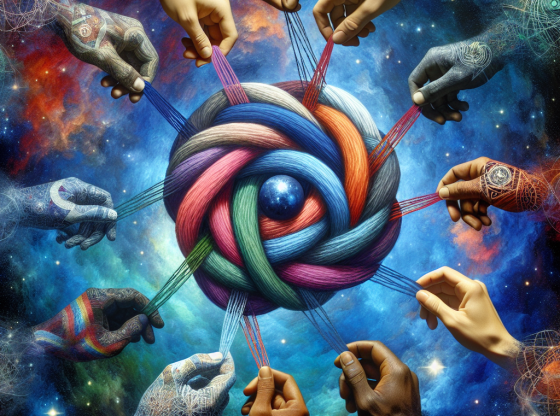
In an increasingly interconnected world, the complexity of human relationships often leads to social struggles that can feel overwhelming. “Navigating Social Struggles: Unraveling the Mystery of Connection” delves into the intricate dynamics of interpersonal interactions, exploring the barriers that hinder authentic connections and the strategies to overcome them. This exploration seeks to illuminate the psychological, emotional, and societal factors that influence our ability to connect with others, offering insights and practical approaches for fostering meaningful relationships in a diverse and fast-paced environment. Through understanding these challenges, individuals can cultivate resilience, empathy, and stronger bonds, ultimately enhancing their social well-being.
Building Authentic Relationships in a Digital Age
In a world increasingly dominated by screens and social media, the quest for authentic relationships has become both an alluring challenge and a profound necessity. The digital age, while providing unprecedented avenues for connection, often leaves us yearning for deeper bonds that transcend mere virtual interactions. As we navigate this complex landscape, it is essential to cultivate genuine connections that resonate with our souls and nourish our emotional well-being.
To begin with, it is crucial to recognize that authenticity in relationships stems from vulnerability. In a society where curated images and carefully crafted personas reign supreme, revealing our true selves can feel like an act of bravery. Yet, when we allow ourselves to be vulnerable—sharing our fears, dreams, and imperfections—we create space for others to do the same. This mutual openness fosters trust, laying the foundation for meaningful connections. By embracing our individuality and encouraging others to do likewise, we invite authenticity into our lives, transforming fleeting encounters into lasting relationships.
Moreover, active listening serves as another cornerstone in building these authentic connections. In our fast-paced digital environment, conversations often devolve into exchanges of sound bites rather than genuine dialogues. However, when we take the time to truly listen—to hear not only the words being spoken but also the emotions behind them—we signal to others that they matter. This attentiveness deepens our understanding of one another and reinforces the bond we share. Engaging in thoughtful discussions, asking open-ended questions, and reflecting on what we hear allows us to forge connections that are richer and more fulfilling.
As we delve deeper into the art of relationship-building, it becomes apparent that shared experiences play a pivotal role in forging connections. While digital platforms may facilitate introductions, it is the moments spent together—whether through laughter over coffee or quiet walks under starlit skies—that weave the fabric of our relationships. These shared experiences create memories that bind us, establishing a sense of belonging that transcends physical distance. Whether it’s exploring new hobbies or embarking on spontaneous adventures, investing time in one another cultivates intimacy and nurtures the heart of our connections.
Furthermore, the importance of empathy cannot be overstated in our pursuit of authentic relationships. Understanding and sharing the feelings of others allows us to connect on a deeper level. In an era marked by division and misunderstanding, practicing empathy helps bridge gaps between differing perspectives and experiences. When we approach each interaction with compassion and an open mind, we foster an environment where everyone feels seen and valued. This collective support empowers individuals to express themselves freely, enriching the tapestry of our relationships.
Ultimately, navigating social struggles in a digital age requires a conscious effort to prioritize authenticity over superficiality. By embracing vulnerability, honing our listening skills, creating shared experiences, and cultivating empathy, we can unravel the mystery of connection. As we embark on this journey towards building authentic relationships, let us remember that the most profound connections are those that touch the heart and soul. In doing so, we not only enrich our own lives but also contribute to a world where love and understanding flourish amidst the complexities of modern existence.
Overcoming Social Anxiety: Strategies for Connection

In the intricate dance of human interaction, social anxiety often casts a shadow that obscures the beauty of connection. For many, the prospect of engaging with others can feel like standing on the precipice of an abyss, where every anticipated conversation transforms into a labyrinth of self-doubt and apprehension. Yet, within this struggle lies the potential for profound transformation and deeper relationships. By understanding and addressing social anxiety, individuals can navigate their way toward meaningful connections.
To begin this journey, it is essential to acknowledge the feelings associated with social anxiety. The fluttering heart, the racing thoughts, and the overwhelming desire to retreat are common companions in social settings. However, recognizing these emotions as valid experiences rather than insurmountable barriers is crucial. This shift in perspective allows individuals to approach their fears not as adversaries but as signals guiding them toward growth. Embracing vulnerability becomes an act of courage, one that opens the door to authentic interactions.
As individuals embark on this path, practical strategies emerge as beacons of hope. One effective method involves gradually exposing oneself to social situations. This process, often referred to as exposure therapy, encourages stepping outside comfort zones little by little. For instance, initiating small conversations with acquaintances or participating in group activities can serve as gentle introductions to the world of social interaction. Each successful encounter builds confidence, reinforcing the belief that connection is not only possible but also rewarding.
Moreover, cultivating mindfulness can significantly alleviate the grip of anxiety. Practicing techniques such as deep breathing or meditation helps anchor individuals in the present moment, allowing them to detach from spiraling thoughts about potential judgments or failures. By focusing on the sensations of the here and now—such as the warmth of a smile or the sound of laughter—people can immerse themselves in genuine exchanges, fostering a sense of belonging that transcends their initial fears.
Furthermore, nurturing self-compassion plays a vital role in overcoming social anxiety. Often, those who experience this condition are their harshest critics, berating themselves for perceived shortcomings in social interactions. Instead, embracing a kinder internal dialogue can transform self-perception. Recognizing that everyone grapples with insecurities fosters a sense of unity among individuals, creating a fertile ground for empathy and understanding. By treating oneself with the same kindness one would offer a friend, it becomes easier to approach social situations with openness and curiosity.
As individuals continue to practice these strategies, they may find solace in seeking support from others. Whether through friendships, support groups, or professional counseling, sharing experiences can illuminate the shared nature of social struggles. Such connections create a tapestry of mutual understanding, reminding each person that they are not alone in their quest for companionship.
Ultimately, overcoming social anxiety is not merely about conquering fear; it is about reclaiming the joy of connection. With each step taken toward engagement, individuals weave a narrative rich with possibility and intimacy. In unraveling the mystery of connection, they discover that beneath the layers of anxiety lies a vibrant world filled with laughter, love, and shared moments. As they embrace both their vulnerabilities and strengths, they become architects of their own social landscapes, crafting bonds that resonate deeply within their hearts. Thus, navigating social struggles transforms into a beautiful journey—a romantic exploration of what it means to connect authentically with others.
The Role of Empathy in Strengthening Social Bonds
In the intricate tapestry of human relationships, empathy emerges as a thread that weaves individuals closer together, binding hearts and minds in an invisible yet powerful embrace. At its core, empathy is the ability to understand and share the feelings of another, creating a bridge across emotional landscapes often fraught with misunderstanding and isolation. As we navigate the complexities of social struggles, it becomes increasingly clear that empathy plays a crucial role in fortifying connections between people, transforming fleeting encounters into lasting bonds.
When we engage empathetically with others, we open ourselves up to their experiences, allowing us to see the world through their eyes. This act of stepping outside our own perspectives fosters a sense of shared humanity, reminding us that beneath the surface of our differences lies a common thread of emotion. It is in these moments of connection that the essence of empathy reveals itself; when one person expresses joy or sorrow, the other feels compelled to respond not just with words but with genuine understanding. This mutual recognition enhances social ties, turning acquaintances into friends and friends into confidants.
Moreover, empathy acts as a balm for the wounds inflicted by social struggles. In times of distress, when individuals feel isolated or misunderstood, a simple gesture of compassion can create ripples of healing. When we listen actively and validate someone’s feelings, we not only alleviate their burdens but also reinforce the foundation of trust upon which all meaningful relationships are built. The warmth of empathy cultivates an environment where vulnerability is welcomed rather than shunned, allowing deeper connections to flourish. As we share our fears and aspirations with those who understand us, we find solace in knowing we are not alone in our struggles.
As we delve deeper into the dynamics of empathy, it becomes evident that this quality transcends mere emotional resonance; it also shapes our actions and decisions. Empathetic individuals are more likely to engage in prosocial behaviors—acts that benefit others and strengthen community bonds. Whether volunteering time to support a cause or simply offering a kind word to a stranger, these gestures echo the fundamental principle of interconnectedness that underlies our existence. By fostering a culture of empathy within our communities, we not only enhance individual relationships but also promote collective well-being, creating spaces where everyone feels valued and heard.
Furthermore, empathy enriches our interpersonal communication. In conversations marked by understanding, misunderstandings diminish, paving the way for authentic dialogue. When we approach discussions with an empathetic mindset, we become better equipped to navigate conflicts and disagreements. Instead of viewing differing opinions as threats, we recognize them as opportunities for growth and learning. This shift in perspective encourages collaboration and compromise, ultimately leading to stronger social bonds.
In conclusion, as we traverse the labyrinthine paths of social interactions, empathy stands out as a guiding star illuminating our way. It nurtures connections, heals wounds, and fosters understanding amidst the chaos of human emotions. By embracing empathy, we not only enrich our lives but also contribute to a more compassionate society, where every individual has the chance to experience the beauty of true connection. Thus, let us cultivate empathy within ourselves and extend it generously to others, for in doing so, we weave a richer fabric of relationships that celebrates the profound mystery of human connection.
Understanding Nonverbal Communication: A Key to Social Success
In the intricate dance of human interaction, nonverbal communication emerges as a captivating language that transcends words. While spoken dialogue often takes center stage in our social exchanges, it is the subtle cues—the flicker of an eye, the curve of a smile, or the gentle tilt of a head—that truly breathe life into our connections with others. Understanding these silent signals can unlock doors to deeper relationships and enhance our capacity for empathy, allowing us to navigate social struggles with grace and poise.
To begin unraveling this mystery, one must first appreciate the profound impact of body language. Every gesture we make carries meaning, whether intentional or not. For instance, crossed arms may convey defensiveness, while an open posture invites warmth and approachability. By becoming attuned to these physical expressions, we can better interpret the emotions and intentions of those around us. This awareness fosters a sense of connection, paving the way for more meaningful interactions.
Moreover, facial expressions serve as windows into our emotional states. A furrowed brow can signal confusion or concern, whereas raised eyebrows might indicate surprise or curiosity. When we learn to read these nuanced expressions, we gain insight into the unspoken thoughts swirling beneath the surface. In romantic contexts, this understanding becomes especially vital; a simple glance or shared laugh can ignite sparks that words alone may struggle to articulate. Thus, honing our ability to decipher facial cues enhances not only our interpersonal skills but also enriches our intimate relationships.
Transitioning from facial expressions to proxemics—how we use space in relation to others—further illuminates the complexities of nonverbal communication. The distance we maintain during conversations can reveal much about our comfort levels and relational dynamics. Standing too close may suggest intimacy or aggression, while keeping a greater distance might imply formality or discomfort. Recognizing these spatial boundaries allows us to navigate social settings with sensitivity, ensuring that we respect personal space while fostering closeness when appropriate.
Equally important is the role of eye contact, which acts as both a connector and a mirror of our feelings. Engaging in steady eye contact conveys confidence and sincerity, creating a bridge of trust between individuals. Conversely, avoiding eye contact may evoke feelings of insecurity or dishonesty. Cultivating this skill is crucial in any relationship, as it reinforces our commitment to genuine engagement. In romantic encounters, the exchange of glances can spark chemistry and create an enchanting atmosphere where words become secondary to the emotions they evoke.
As we delve deeper into the realm of nonverbal communication, we must also consider the influence of tone and vocal nuances. The way something is said often holds more weight than the content itself. A soft whisper can convey tenderness, while a booming voice might project authority or excitement. By paying attention to these auditory elements, we can enrich our conversations and foster connections that resonate on multiple levels.
Ultimately, mastering the art of nonverbal communication requires practice and patience. It invites us to step beyond the confines of verbal expression and embrace the rich tapestry of human interaction. As we cultivate this awareness, we not only enhance our ability to connect with others but also discover a profound appreciation for the beauty of unspoken bonds. In navigating social struggles, let us remember that every glance, gesture, and sigh carries the potential to weave intricate stories of connection—stories that remind us of our shared humanity and the romance inherent in our collective journey.
Conclusion
Navigating social struggles involves understanding the complexities of human interaction and emotional intelligence. By recognizing the barriers to connection, such as anxiety, miscommunication, and societal expectations, individuals can develop strategies to foster meaningful relationships. Cultivating empathy, active listening, and vulnerability are essential steps in overcoming these challenges. Ultimately, unraveling the mystery of connection requires a commitment to personal growth and an openness to diverse perspectives, leading to deeper, more fulfilling social bonds.