

“Relinquished Desires: Unveiling the Hidden Grief of American Motherhood in Adoption Politics” explores the complex emotional landscape surrounding motherhood and adoption in the United States. This work delves into the often-overlooked narratives of birth mothers who navigate the painful choices of relinquishing their children, revealing the profound grief and societal pressures that shape their experiences. By examining the intersection of personal loss and systemic adoption politics, the text sheds light on the psychological toll faced by these women, challenging dominant narratives and advocating for a deeper understanding of maternal love, sacrifice, and the lingering impacts of adoption on both mothers and children. Through poignant storytelling and critical analysis, it seeks to illuminate the hidden struggles within the broader discourse of adoption, ultimately calling for empathy, reform, and recognition of the emotional realities involved.
The Emotional Toll of Relinquishment in Adoption
The journey of motherhood is often romanticized, painted with broad strokes of joy and fulfillment, yet for many women, particularly those who choose or are compelled to relinquish their children for adoption, this narrative becomes a poignant tale of loss and longing. The emotional toll of relinquishment is profound, echoing through the lives of birth mothers long after they have made the heart-wrenching decision to place their child into another’s care. In a society that celebrates motherhood as an ultimate expression of love, the complexities surrounding adoption politics can obscure the deep-seated grief experienced by these women.
As one navigates the labyrinth of emotions following relinquishment, feelings of guilt and shame frequently intertwine with love and hope. Birth mothers often grapple with societal expectations that dictate what it means to be a “good” mother. When circumstances—be they financial hardship, lack of support, or personal struggles—render them unable to parent, the decision to place a child for adoption can feel like both a sacrifice and a betrayal. This duality creates an internal conflict that can haunt them for years, manifesting in bouts of depression and anxiety. The relentless questioning of whether they made the right choice lingers in their hearts, creating an emotional landscape fraught with uncertainty.
Moreover, the silence surrounding adoption adds another layer to this intricate tapestry of grief. Unlike traditional forms of mourning, where expressions of sorrow are often shared and validated, the pain of relinquishment is frequently marginalized. Many birth mothers find themselves isolated, unable to voice their experiences without fear of judgment or misunderstanding. Consequently, they may retreat inward, navigating their grief alone while yearning for connection and validation. In this silence, their stories remain untold, leaving a void that perpetuates their sorrow.
As time passes, the memories of pregnancy and childbirth become bittersweet echoes of what could have been. For some women, the annual milestones—the child’s birthday, holidays, or significant life events—can trigger waves of nostalgia intertwined with regret. Each passing year serves as a reminder not only of their lost child but also of the dreams and aspirations that were set aside in favor of a different future. This ongoing sense of loss can complicate relationships with partners and family members who may struggle to understand the depth of their grief.
Yet amidst this sorrow, there exists a resilient thread woven into the fabric of their experience. Many birth mothers ultimately find strength in their vulnerability, choosing to advocate for openness in adoption and sharing their stories as a means of healing. By shedding light on their journeys, they challenge the stigma associated with relinquishment and foster a greater understanding of the emotional complexities involved. This act of courage not only honors their own experiences but also paves the way for others who walk similar paths, offering solace in shared narratives.
In essence, the emotional toll of relinquishment in adoption politics reveals a hidden world filled with unacknowledged grief and profound love. As society continues to navigate the intricacies of motherhood and adoption, recognizing and validating the experiences of birth mothers becomes essential. Their stories deserve to be heard—not just as tales of loss but as powerful testaments to resilience and hope, reminding us all that even in the depths of sorrow, love endures.
Navigating Grief: The Silent Struggles of Birth Mothers
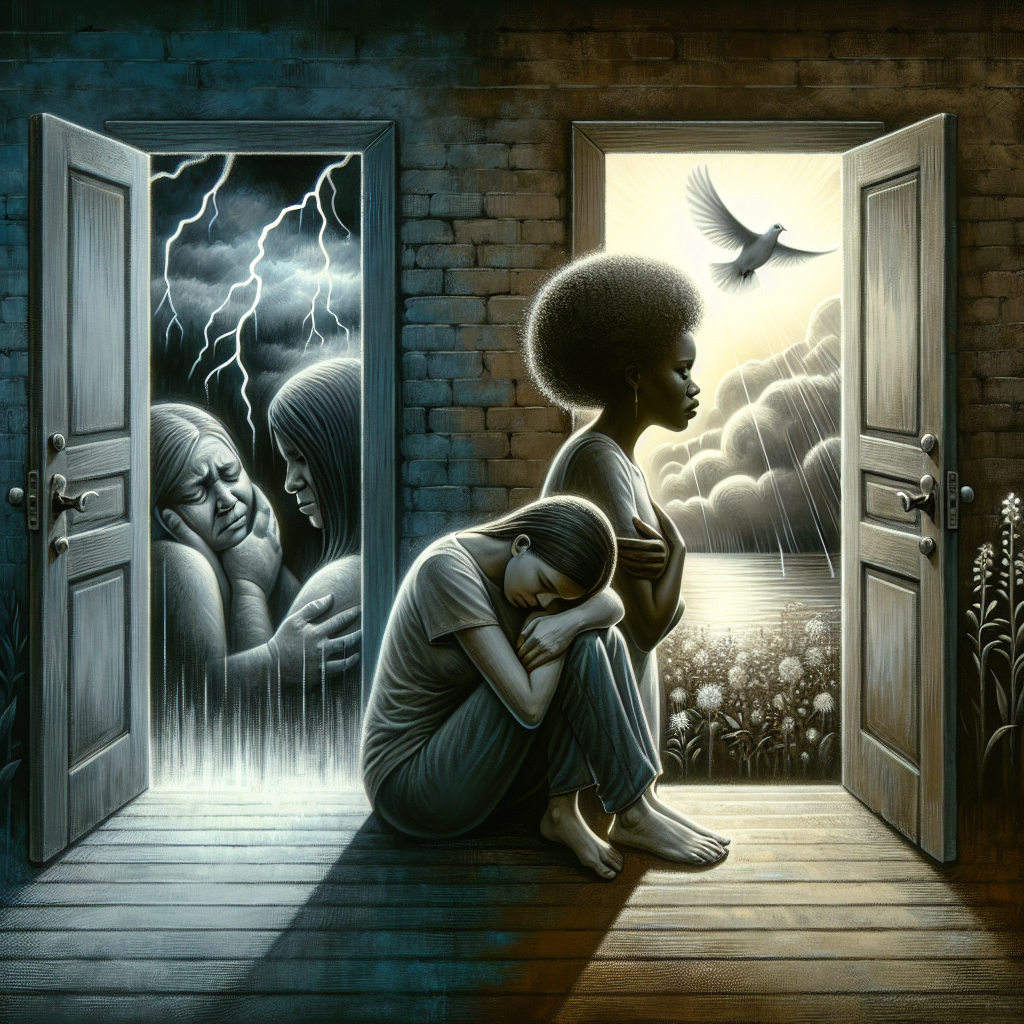
In the intricate tapestry of American motherhood, a profound narrative often remains hidden beneath the surface—the silent struggles faced by birth mothers in the realm of adoption politics. These women navigate a landscape fraught with complex emotions, societal expectations, and personal sacrifices that intertwine to create a unique form of grief. As they relinquish their children, they also release dreams and desires, leading to an emotional journey that is both intimate and deeply poignant.
The decision to place a child for adoption is rarely simple; it is steeped in layers of love, hope, and sorrow. Birth mothers often grapple with societal perceptions that label them as irresponsible or unfit, yet their choices are frequently driven by a desire to provide a better life for their children. This dichotomy creates an internal conflict, where love collides with loss, leaving many women feeling isolated in their experiences. The weight of this decision can be overwhelming, as they confront not only their own feelings but also the expectations imposed upon them by family, friends, and society at large.
As these women traverse their paths, they encounter a myriad of emotions—grief being the most profound. It’s a grief that is not always acknowledged or understood by those around them. While some may perceive adoption as a straightforward act of giving up, for birth mothers, it represents a heart-wrenching farewell to their child and the life they envisioned together. They often find themselves mourning not just the loss of their child but also the dreams they had for their future—a bittersweet longing for moments that will never come to fruition.
Moreover, navigating this grief can feel like wandering through a dense fog, where every step forward is shadowed by memories and “what-ifs.” Transitional phrases such as “if only” and “what could have been” echo in their minds, complicating their healing process. Many birth mothers carry the burden of guilt and shame, believing they have failed in their role as mothers. Yet, it is essential to recognize that choosing adoption does not equate to a lack of love; rather, it reflects a deep-seated commitment to ensuring a better life for their child. In this way, their grief becomes intertwined with an enduring love that persists despite physical separation.
Support systems play a crucial role in helping birth mothers navigate their grief. Unfortunately, the stigma surrounding adoption can lead to isolation, preventing these women from sharing their stories and finding solace in community. Organizations dedicated to supporting birth mothers can offer vital resources, fostering connections that allow women to voice their experiences and validate their feelings. Through shared narratives, they begin to untangle the complexities of their emotions, transforming silence into solidarity.
Ultimately, acknowledging and understanding the silent struggles of birth mothers is essential in reframing the conversation around adoption. By illuminating their grief and honoring their journeys, society can foster empathy and compassion for these women who make unimaginable sacrifices out of love. As we delve deeper into the intricacies of American motherhood within the context of adoption politics, let us remember that behind every adoption story lies a birth mother whose desires were relinquished—not forgotten—but woven into the very fabric of her child’s new life. In recognizing their pain, we honor their strength and resilience, paving the way for a more compassionate dialogue about motherhood, choice, and love in all its forms.
Societal Expectations and the Pressure on Mothers in Adoption
In the intricate tapestry of American motherhood, societal expectations weave a complex narrative that often obscures the profound emotional landscapes mothers navigate, especially those involved in adoption. From the moment a child is born—or even conceived—society imposes a myriad of ideals and aspirations upon mothers. These expectations can create a dissonance between personal desires and external pressures, particularly when the journey leads to the heart-wrenching decision of placing a child for adoption. The romanticized notion of motherhood paints an idyllic picture, yet beneath this veneer lies a realm filled with unspoken grief and relinquished dreams.
As we delve deeper into the lives of mothers facing adoption, it becomes evident that they are often caught in a whirlwind of conflicting emotions. Society tends to idolize the maternal bond, glorifying the image of a mother who embraces her child without hesitation. However, the reality is far more nuanced; many mothers experience overwhelming feelings of inadequacy and fear as they confront their circumstances. The pressure to conform to traditional notions of motherhood can become suffocating, leading some women to grapple with guilt and self-doubt when contemplating adoption. In these moments, the weight of societal judgment looms large, creating an invisible barrier that isolates them from open dialogue about their true feelings.
Furthermore, the idealization of motherhood perpetuates a false narrative that equates love with possession. This perspective can render the act of adoption as one steeped in loss rather than a courageous choice made out of love and necessity. Mothers who choose adoption often find themselves navigating a path laden with sorrow, as they wrestle with the belief that relinquishing a child means failing at motherhood. Such internal conflicts are exacerbated by societal norms that champion biological connections while simultaneously stigmatizing those who cannot or choose not to raise their children. Thus, the pressure mounts, leaving many mothers feeling as though they must sacrifice their own happiness for the sake of perceived social approval.
As we reflect on the experiences of these mothers, it becomes clear that their stories are rarely told in full. The narratives surrounding adoption tend to focus on the joy of new beginnings for both adoptive parents and children, often overlooking the profound grief experienced by birth mothers. Their hearts bear the weight of relinquished dreams and unfulfilled desires, echoing the silent pain of a choice that, while rooted in love, carries an irrevocable sense of loss. It is essential to acknowledge that this grief does not diminish the love a mother has for her child; instead, it amplifies it, revealing the depth of sacrifice inherent in such decisions.
Moreover, as society begins to recognize the complexities of motherhood, there is hope for a shift in understanding. By fostering conversations around the realities of adoption and embracing the diverse experiences of mothers, we can dismantle harmful stereotypes and build a more compassionate framework. Ultimately, acknowledging the hidden grief associated with relinquished desires allows us to honor the multifaceted nature of motherhood itself—a journey marked not only by joy but also by heartbreak, resilience, and profound love. Through empathy and understanding, we can illuminate the paths of mothers whose choices may differ from the conventional narrative, recognizing that every story is worthy of respect and reverence.
Healing Through Storytelling: Sharing Experiences of Relinquished Desires
In the tapestry of motherhood, the threads of love and longing often intertwine with loss and relinquishment. For many women who have navigated the complex waters of adoption, the act of sharing their stories becomes a transformative journey toward healing. The experiences of those who have placed children for adoption are frequently shrouded in silence, leaving unspoken grief to fester in the shadows. Yet, when these women find their voices, they illuminate the hidden depths of their emotions, allowing others to witness both the beauty and heartbreak woven into their narratives.
Storytelling serves as a powerful balm for the soul, offering a safe space where mothers can explore their feelings of desire, regret, and hope. Through the art of narrative, they reclaim their identities and express the complexities of their decisions. Each story unfolds like a delicate petal, revealing layers of vulnerability that resonate deeply with listeners. As these mothers share their journeys—filled with moments of joy, despair, and everything in between—they foster connections that transcend individual experiences. This communal exchange transforms isolation into solidarity, reminding each woman that she is not alone in her pain or her triumphs.
Moreover, storytelling allows for an exploration of societal expectations surrounding motherhood and adoption. In a culture that often idealizes maternal sacrifice, these narratives challenge preconceived notions about what it means to be a mother. By recounting their experiences, women highlight the multifaceted nature of love—the fierce protection that compels them to make heart-wrenching choices for the well-being of their children. Their words serve as a testament to the strength required to navigate a system that can feel unforgiving and indifferent. As they articulate their thoughts and feelings, they dismantle the stigma associated with adoption, shedding light on the emotional complexity inherent in such decisions.
As stories unfold, they also reveal the shifting landscapes of identity that accompany relinquished desires. Mothers grapple with conflicting emotions; they mourn the loss of a child while simultaneously celebrating new beginnings for both themselves and their children. This duality enriches the narrative, as it mirrors the intricate dance of love and grief that defines the experience of adoption. Through storytelling, these women honor their past while embracing the possibility of healing, creating a bridge between what was lost and what can still be gained.
Furthermore, sharing experiences can catalyze change within the broader context of adoption politics. When mothers speak out about their journeys, they bring visibility to issues that may otherwise remain obscured. Their stories underscore the importance of supportive policies and practices that prioritize the emotional needs of birth mothers alongside those of adoptive families. By advocating for greater understanding and compassion within the adoption process, these women contribute to a cultural shift that recognizes the profound impact of relinquishment on all parties involved.
Ultimately, the act of sharing stories fosters a sense of empowerment. It enables mothers to reclaim agency over their narratives, transforming pain into purpose. As they weave together tales of relinquished desires, they create a collective legacy that honors both their sacrifices and their enduring love. In this shared space of vulnerability, healing blossoms—a reminder that even in the face of heartache, there exists the potential for connection, growth, and renewal. Thus, through storytelling, the hidden grief of American motherhood finds its voice, resonating with truth and beauty in every word spoken.
Conclusion
“Relinquished Desires: Unveiling the Hidden Grief of American Motherhood in Adoption Politics” explores the complex emotional landscape faced by birth mothers within the adoption system. It highlights the profound grief and societal pressures that often accompany the decision to place a child for adoption, revealing how these experiences are frequently marginalized in public discourse. The work calls for greater recognition of the emotional toll on birth mothers and advocates for more empathetic policies that acknowledge their struggles, ultimately aiming to reshape the narrative around motherhood and adoption in America.