

“She Embraces Desire: Redefining Consent and Celebrating Female Empowerment” is a transformative exploration of the intersection between consent, sexuality, and female agency. This work challenges traditional narratives surrounding women’s desires and autonomy, advocating for a more nuanced understanding of consent that goes beyond mere agreement. By highlighting personal stories, expert insights, and cultural critiques, it empowers women to embrace their sexuality without shame or fear, fostering a dialogue that champions self-expression and mutual respect. Through this lens, the book seeks to redefine what it means to be empowered in a society that often silences women’s voices and desires.
The Importance of Consent in Female Empowerment
In the tapestry of human relationships, consent emerges as a vital thread that weaves together respect, understanding, and empowerment. At its core, consent is about communication—an intimate exchange where desires are articulated, boundaries are acknowledged, and mutual respect flourishes. In celebrating female empowerment, the importance of consent cannot be overstated; it is not merely a legal or social obligation but rather an essential aspect of individual agency that allows women to embrace their desires fully.
When women assert their right to give or withhold consent, they reclaim autonomy over their bodies and choices. This reclamation is profound, as it shifts the narrative from one of passivity to active participation. Women who understand and practice consent foster an environment in which their voices resonate powerfully, signaling that their preferences matter and deserve acknowledgment. As they articulate what feels good and what does not, they cultivate a sense of self-worth and confidence that permeates all aspects of life, from personal relationships to professional endeavors.
Moreover, consent serves as a foundation for healthy interactions, encouraging open dialogue about needs and desires. When both parties engage in honest conversations about their intentions, fears, and aspirations, they create a space where vulnerability can thrive. This vulnerability becomes a source of strength, allowing women to express their sexualities without shame or fear. In this context, desire transforms into a celebration rather than a taboo—a beautiful dance between two willing partners who honor each other’s humanity.
As we navigate through societal norms that often dictate how women should behave or feel, the emphasis on consent empowers women to challenge these constructs. By asserting their right to decide when and how they engage in any relationship, women dismantle outdated stereotypes that have long sought to define them. Instead of being seen as objects of desire subject to the whims of others, they emerge as dynamic individuals whose choices reflect their true selves. This shift not only enriches personal experiences but also inspires future generations to pursue their passions unapologetically.
Furthermore, embracing consent fosters solidarity among women. When they collectively advocate for mutual respect and recognition of boundaries, they create a powerful movement toward gender equality. Each conversation about consent acts as a ripple effect, inspiring others to join the cause. In this way, consent transcends individual encounters and evolves into a collective ethos that champions the rights of all women. It encourages allies to stand alongside them, amplifying their voices and ensuring that the message resonates far beyond personal relationships.
Ultimately, the importance of consent in female empowerment lies in its capacity to transform lives. It invites women to explore their desires freely while simultaneously cultivating meaningful connections built on trust and respect. By redefining what it means to give and receive consent, we celebrate the complexity of female identity—recognizing that every woman’s journey is unique and deserving of honor. As society continues to evolve, let us commit to nurturing this culture of consent, empowering women to embrace their desires boldly and authentically. In doing so, we pave the way for a brighter, more equitable future where every voice matters, and every choice is celebrated.
Celebrating Female Desire: Breaking Societal Taboos
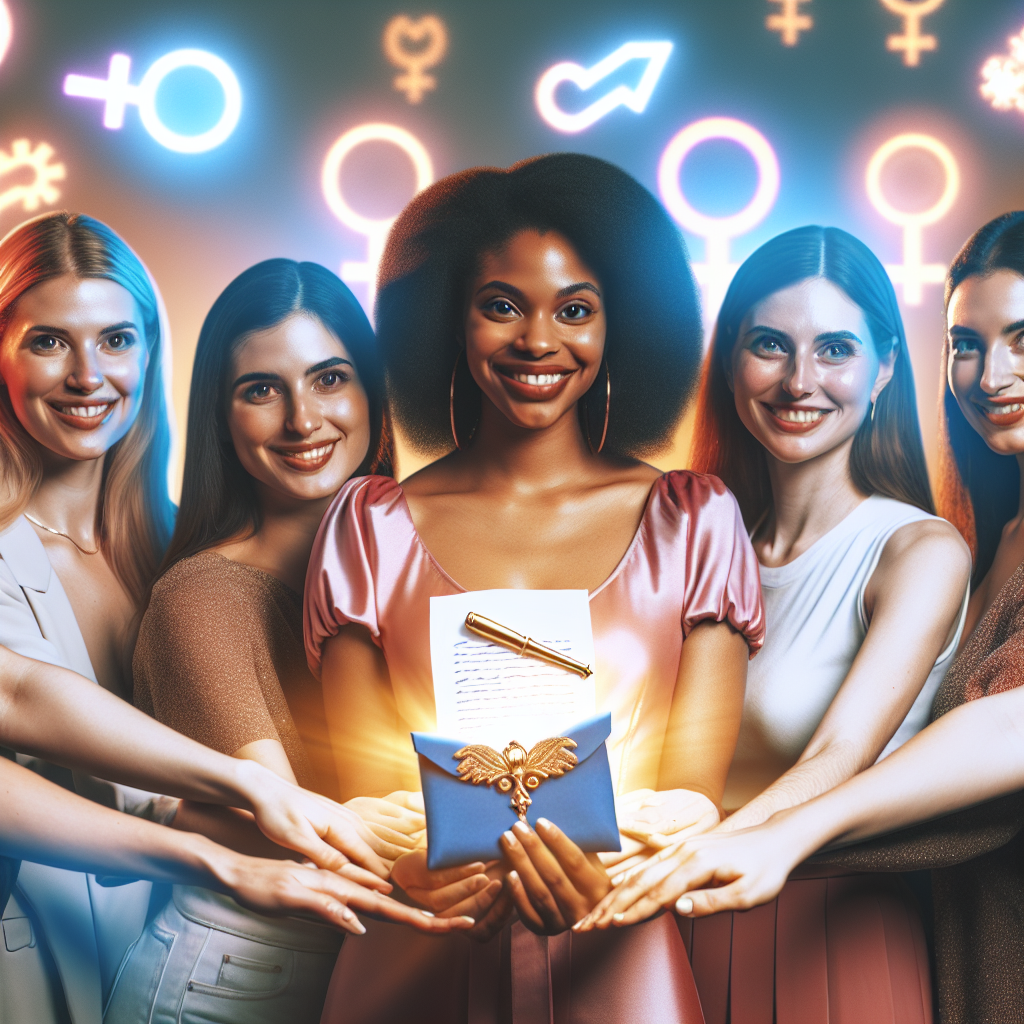
In a world that has often relegated female desire to the shadows, a remarkable transformation is underway. Women are beginning to embrace their desires openly and unapologetically, breaking free from societal taboos that have long dictated how they should think, feel, and act regarding their sexuality. This celebration of female desire is not merely a personal journey; it is a collective movement towards redefining consent and empowering women to take ownership of their bodies and choices.
Historically, female desire has been cloaked in stigma and misunderstanding. For centuries, women were taught to suppress their needs and wants, conditioned to believe that their sexual appetites were something to be hidden or subdued. However, as conversations around gender equality and sexual autonomy gain momentum, more women are reclaiming their right to desire without fear of judgment. This shift encourages an open dialogue about what it means to be a woman who embraces her sensuality, allowing for a richer understanding of intimacy and connection.
As women begin to celebrate their desires, they are also challenging traditional notions of consent. Consent is no longer viewed simply as a legalistic notion of “yes” or “no”; instead, it becomes a dynamic conversation where both parties actively engage in expressing their needs and boundaries. In this new paradigm, the emphasis shifts toward mutual respect and enthusiastic participation, fostering deeper connections between partners. By prioritizing clear communication, women empower themselves and others to articulate their desires, thus transforming consent into an ongoing negotiation rather than a mere checkbox.
Moreover, this cultural renaissance invites women to explore their fantasies and preferences without shame. It encourages them to question ingrained beliefs about their worth being tied solely to their relationships with others. As women delve into their own desires, they discover the power of self-acceptance and the beauty of vulnerability. This exploration can lead to profound personal growth, enabling them to cultivate healthy relationships that honor their individuality while celebrating shared experiences.
The celebration of female desire also extends beyond the individual. It calls for a broader societal change that dismantles the stigmas surrounding women’s sexuality. Art, literature, and media play pivotal roles in shaping perceptions, and increasingly, these platforms are amplifying diverse narratives of female empowerment. By showcasing stories that highlight women’s journeys toward embracing their desires, society begins to understand that female sexuality is not only natural but deserving of celebration. These representations challenge stereotypes and inspire future generations to view desire as an integral part of the human experience.
Furthermore, embracing female desire fosters solidarity among women. When women share their experiences and support one another in their journeys, they create safe spaces for dialogue and growth. This community-building reinforces the idea that every woman’s experience is valid and worthy of respect. Through shared stories, women can inspire one another to break down barriers and redefine what it means to be empowered in their desires.
Ultimately, as women continue to embrace their desires and redefine consent within the framework of empowerment, they pave the way for a brighter future—one where female sexuality is celebrated rather than shamed. This transformative movement signifies a powerful reclamation of identity, allowing women to step into their fullness with grace and confidence. In doing so, they inspire not only themselves but also those around them to cherish the beauty of desire and the strength found in authenticity.
Redefining Consent: A New Narrative for Women
In a world that is increasingly aware of the complexities surrounding consent, it becomes essential to explore and redefine what this concept means for women today. Traditionally viewed through a narrow lens, consent has often been reduced to mere legal jargon or obligatory gestures. However, as we delve deeper into the intricacies of female empowerment, we begin to see consent not just as a boundary but as an expression of desire, agency, and mutual respect. This new narrative invites women to reclaim their voices and embrace their desires in ways that celebrate their autonomy.
To understand this redefined perspective on consent, one must first acknowledge the historical context that has shaped women’s experiences. For centuries, societal norms have dictated how women should behave, often relegating them to passive roles in relationships. This legacy has created an environment where women’s voices are frequently silenced, and their desires overlooked. Yet, as we witness a cultural shift toward acknowledging and valuing women’s perspectives, it becomes clear that consent can be much more than a simple “yes” or “no.” It can embody a dance of connection, where both partners actively engage in expressing their wants and needs.
As women begin to embrace this new narrative, they find strength in articulating their desires openly and confidently. The act of giving consent transforms from a transactional exchange into a celebration of intimacy and trust. In romantic encounters, the dialogue around consent can foster deeper connections, allowing individuals to explore their passions without fear or hesitation. By framing consent as an invitation rather than a requirement, women empower themselves to navigate their desires with grace and authenticity.
Moreover, redefining consent serves to challenge prevailing stereotypes about femininity. Women are often portrayed as demure or submissive, yet this oversimplification ignores the rich tapestry of individual identities and experiences. When women assert their right to express desire, they dismantle these stereotypes and pave the way for a broader understanding of what it means to be empowered. This newfound confidence encourages not only personal growth but also inspires others to join the movement toward embracing their own desires unapologetically.
Additionally, this reimagined approach to consent emphasizes the importance of communication in relationships. As partners learn to articulate their needs and boundaries, they cultivate an atmosphere of mutual respect and understanding. This open dialogue fosters emotional intimacy, allowing couples to deepen their connections while navigating the complexities of attraction. With each conversation, women take ownership of their narratives, transforming potential misunderstandings into opportunities for growth and exploration.
Ultimately, by celebrating female empowerment through the lens of consent, society can create a culture where all individuals feel safe and valued in expressing their desires. This shift not only benefits women but also enriches relationships across the board, encouraging men and non-binary individuals alike to engage in conversations about consent that honor everyone’s autonomy. As we continue to redefine consent, we craft a future where desire is embraced, relationships flourish, and every voice is celebrated.
In this evolving landscape, women who embrace their desires become catalysts for change, inspiring others to follow suit. Through courage and vulnerability, they illuminate the path toward a more inclusive understanding of consent—one that honors individuality while fostering genuine connections. In doing so, they don’t merely advocate for themselves; they champion a vision of empowerment that resonates far beyond personal experience, inviting everyone to join in this beautiful dance of desire and respect.
Embracing Desire: Stories of Empowerment and Liberation
In a world where the conversation around consent has evolved significantly, embracing desire emerges as an essential element in redefining empowerment. Stories of women who have reclaimed their narratives illuminate the path toward liberation, showcasing how personal desires can coexist with mutual respect and understanding. These tales are not merely anecdotes; they represent a growing movement that celebrates female autonomy and the right to express one’s wants without fear or hesitation.
Take, for instance, the journey of Sarah, who once felt confined by societal expectations regarding her sexuality. For years, she struggled to voice her desires, believing that doing so would tarnish her reputation or render her vulnerable to judgment. However, through a transformative experience at a women’s retreat focused on self-discovery, Sarah learned that her yearnings were not something to suppress but rather aspects of herself to embrace. The retreat encouraged open discussions about pleasure, desire, and boundaries, allowing Sarah to see that acknowledging her needs was not only empowering but also liberating. By sharing her story, she inspires others to reclaim their voices, encouraging them to articulate what they truly want in relationships.
Similarly, the narrative of Maya highlights the importance of community in fostering a sense of agency. In her quest for sexual empowerment, Maya discovered a supportive network of women who shared their experiences and challenges related to intimacy and desire. This collective dialogue helped dismantle the stigma surrounding female sexuality, reinforcing the notion that seeking pleasure is not inherently selfish but a natural part of human existence. Through workshops and storytelling sessions, these women explored themes of consent and mutual satisfaction, illustrating how embracing one’s desires can lead to deeper connections with partners. Their stories serve as reminders that empowerment often flourishes in solidarity, where voices unite to celebrate individuality while advocating for shared respect.
Moreover, the tale of Lila serves as a poignant reminder of the complexities involved in navigating desire within romantic relationships. After enduring a toxic relationship where her needs were consistently dismissed, Lila embarked on a journey of self-rediscovery. She began to understand that true empowerment lies not only in asserting her desires but also in recognizing when those desires align with healthy boundaries. As she ventured into new partnerships, Lila approached each encounter with newfound clarity, articulating her wants while remaining attuned to her partner’s comfort levels. This delicate balance between expressing desire and respecting boundaries became a cornerstone of her empowerment journey, showcasing that liberation is rooted in both self-awareness and empathy.
As these stories unfold, it becomes evident that embracing desire is a multifaceted endeavor that transcends mere physicality. It encompasses emotional depth, vulnerability, and above all, authenticity. Each woman’s journey reflects a universal truth: when individuals feel empowered to embrace their desires openly, they cultivate environments rich in trust and mutual understanding. This shift not only enhances personal relationships but also contributes to broader societal changes, challenging outdated norms that have long dictated how women should navigate their own bodies and desires.
Ultimately, these narratives collectively weave a tapestry of resilience and strength, inviting women everywhere to celebrate their desires without reservation. By championing the ethos of empowerment through shared stories, we pave the way for future generations to inhabit spaces where their voices resonate freely, echoing the belief that desire is not just a personal journey but a celebration of life itself.
Conclusion
“She Embraces Desire: Redefining Consent and Celebrating Female Empowerment” underscores the importance of recognizing women’s autonomy and desires in discussions about consent. By challenging traditional narratives that often limit female expression, this work advocates for a broader understanding of empowerment that includes embracing sexuality as a natural and positive aspect of womanhood. Ultimately, it calls for a cultural shift towards mutual respect and open dialogue, where women’s voices are central in defining their own boundaries and experiences.