
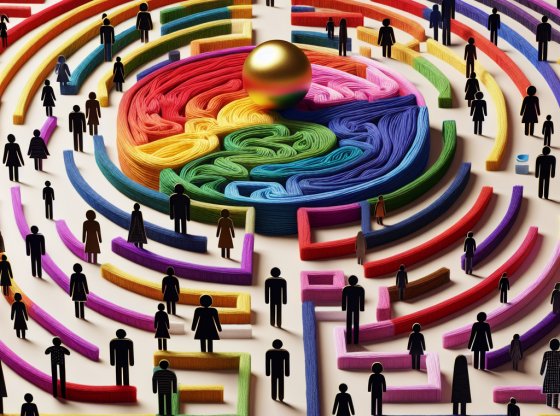
“The Allure of Gender: How Stereotypes Entangle Us All” explores the pervasive influence of gender stereotypes on individual identity and societal dynamics. This examination delves into how deeply ingrained notions of masculinity and femininity shape personal choices, professional paths, and interpersonal relationships. By unpacking the allure of these stereotypes, the work reveals their complex role in both empowering and constraining individuals, highlighting the necessity for a critical understanding of gender as a social construct. Ultimately, it advocates for a more nuanced approach to gender that transcends traditional binaries, encouraging liberation from the constraints of stereotype-driven expectations.
Gender Stereotypes in Media Representation
In the intricate tapestry of our society, gender stereotypes weave a narrative that is both alluring and confining, particularly evident in media representation. The images and stories we consume through various forms of media shape our perceptions of gender roles and influence how individuals navigate their identities. As we delve into this fascinating realm, it becomes clear that these portrayals are not merely reflections of reality; rather, they actively construct the framework within which we understand ourselves and each other.
From the earliest days of cinema to the vibrant world of social media today, the depiction of gender has evolved yet remained ensnared by long-standing conventions. Women have often been cast in roles that emphasize beauty, nurturing qualities, and emotional vulnerability, while men frequently embody strength, stoicism, and dominance. Such binary representations create a romanticized view of gender that feels both comforting and limiting. They invite us to revel in familiar narratives but simultaneously confine us to preordained paths that stifle authenticity. Indeed, these stereotypes can enchant viewers with their familiarity, drawing them into a world where expectations overshadow individuality.
As we explore the nuances of media representation, it becomes essential to consider the impact of diverse storytelling. When creators challenge traditional narratives, they open doors to a more expansive understanding of gender. Films and television shows that feature complex characters—regardless of gender—invite audiences to embrace the full spectrum of human experience. For instance, when women take on roles traditionally reserved for men or when male characters express vulnerability, it disrupts the conventional script and allows for a richer exploration of identity. This transformation in representation not only captivates audiences but also inspires them to question the rigidity of stereotypes that have long governed societal norms.
Moreover, the rise of digital platforms has democratized storytelling, granting voice to those who have historically been marginalized. Social media influencers and independent filmmakers are crafting narratives that reflect a broader array of experiences, challenging entrenched stereotypes along the way. These fresh perspectives resonate deeply with audiences craving authenticity, creating a romantic connection between creators and viewers as they collectively navigate the complexities of modern identity. In this new landscape, the allure of gender is redefined; it is no longer just about fitting into established molds but about celebrating diversity and embracing fluidity.
However, despite these positive strides, remnants of outdated stereotypes persist in popular culture. Advertisements still often depict women in domestic settings or objectify their bodies while portraying men as assertive decision-makers. These enduring images continue to exert influence, subtly reinforcing the notion that certain traits are inherently linked to one’s gender. It is here that the tension lies: while we yearn for progress and representation, we must also confront the seductive power of nostalgia that keeps us tethered to simpler archetypes.
In conclusion, the allure of gender in media representation is a double-edged sword. While it offers enchanting narratives that captivate our hearts, it simultaneously entangles us in a web of stereotypes that can limit our understanding of self and others. As we move forward in this dynamic landscape, the challenge remains to cultivate a media environment that embraces complexity and celebrates the myriad ways in which individuals express their identities. By doing so, we can begin to unravel the threads of stereotype-laden narratives, allowing for a more authentic and inclusive portrayal of humanity’s rich tapestry.
The Impact of Gender Norms on Personal Identity
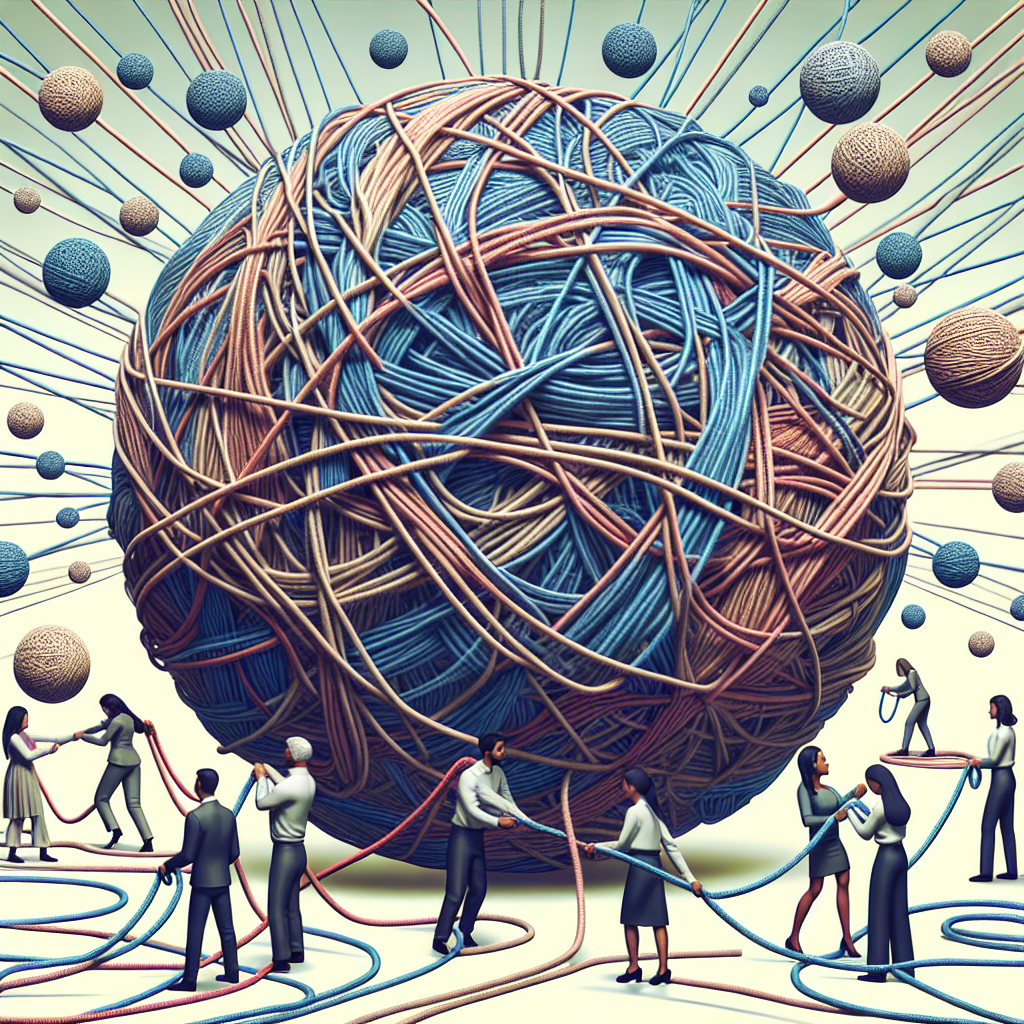
In the intricate tapestry of human existence, gender norms weave a pattern that influences not only societal interactions but also the very essence of personal identity. These norms, often entrenched in cultural traditions and historical precedents, shape our perceptions of self and others in profound ways. As we navigate through life, we find ourselves entwined in expectations that dictate how we should behave, dress, and even think based on our assigned gender at birth. The allure of these stereotypes lies in their seductive simplicity; they offer a semblance of clarity in an otherwise chaotic world. Yet, beneath this veneer of order, there exists a labyrinth of complexities that can both liberate and confine.
As individuals, we are naturally drawn to the identities that society has crafted for us. From a young age, children absorb the messages conveyed by family, peers, and media about what it means to be masculine or feminine. Boys are often encouraged to embody traits such as strength and stoicism, while girls may be nudged toward nurturing behaviors and emotional expressiveness. This conditioning not only shapes our interests and aspirations but also molds our relationships with others. For instance, a boy who is sensitive may struggle with feelings of inadequacy if he perceives his emotional depth as a deviation from the masculine ideal. Conversely, a girl who exhibits assertiveness might face criticism for stepping outside the boundaries of traditional femininity. In this way, gender norms create a dichotomy that can stifle authenticity and lead to internal conflict.
Moreover, the impact of these norms extends beyond individual experiences; it seeps into the broader societal fabric, influencing everything from career choices to interpersonal dynamics. People often find themselves at crossroads, torn between the desire to conform and the yearning for self-expression. When one dares to defy gender conventions—perhaps by pursuing a non-traditional profession or embracing a fluid identity—they challenge the status quo, igniting conversations that can reshape collective understanding. However, this journey towards authenticity is fraught with challenges, as those who venture off the beaten path may encounter resistance from a society deeply invested in maintaining established roles.
Yet, amid this struggle lies an undeniable beauty—the potential for transformation and growth. By questioning and redefining gender norms, individuals carve out spaces where personal identity can flourish unencumbered by restrictive labels. This exploration encourages introspection, prompting individuals to examine their values, beliefs, and desires without the constraints of societal expectations. It is within this realm of possibility that people discover their true selves, allowing them to connect more genuinely with others.
Furthermore, as conversations surrounding gender evolve, so too does the understanding of identity itself. The rise of movements advocating for gender equality and inclusivity has illuminated the spectrum of human experience, emphasizing that identity is not a rigid construct but rather a fluid interplay of various factors including culture, sexuality, and personal history. This shift invites everyone—regardless of gender—to embrace their unique narratives and celebrate the diversity of human expression.
In essence, the impact of gender norms on personal identity is a double-edged sword. While these norms can impose limitations, they also provide opportunities for deep reflection and connection. As we continue to unravel the threads of expectation that bind us, we open ourselves up to a richer understanding of what it means to be human—a romantic dance of individuality and belonging that transcends the confines of stereotype.
Breaking Free: Challenging Traditional Gender Roles
In a world where the delicate threads of gender roles have long woven themselves into the fabric of our daily lives, the allure of breaking free from these constraints beckons like a distant melody. Traditional gender roles, with their rigid expectations and often suffocating definitions, can create an intricate web that entangles not only those who feel confined by them but also those who unwittingly perpetuate these stereotypes. As we embark on a journey to challenge these norms, we find ourselves at a crossroads—one where the potential for liberation lies tantalizingly close.
To begin this exploration, it is essential to recognize how deeply ingrained these traditional roles are in our society. From childhood, we receive subtle cues about what it means to be masculine or feminine. Boys are often encouraged to embrace strength and stoicism, while girls are taught to nurture and display empathy. These early lessons shape our identities and influence our choices, guiding us along predetermined paths that may not resonate with our true selves. However, as societal awareness grows and conversations around gender become more nuanced, the realization dawns that such binaries are limiting, stifling the rich tapestry of human experience.
In challenging these traditional roles, we must first acknowledge the beauty of fluidity within gender expression. This recognition allows individuals to step outside the confines of expectation and embrace their authentic selves. For instance, men who choose to express vulnerability or pursue nurturing careers break down barriers that have historically defined masculinity. Similarly, women stepping into leadership roles or showcasing ambition defy stereotypes that suggest they should remain in supportive positions. Each act of defiance against these norms serves as a gentle reminder that our identities are not fixed but rather dynamic and ever-evolving.
Moreover, the act of challenging gender roles extends beyond individual pursuits; it fosters a collective movement towards inclusivity and acceptance. When we celebrate diverse expressions of identity, we cultivate a culture that honors individuality over conformity. This shift has profound implications, not only for personal relationships but also for professional environments. Workplaces that embrace diversity benefit from a wealth of perspectives, leading to enhanced creativity and innovation. Thus, breaking free from traditional gender roles creates ripples that extend far beyond the self, enriching communities and organizations alike.
As we navigate this transformative landscape, it becomes clear that the allure of dismantling gender stereotypes is rooted in love—love for oneself and love for others. By encouraging authenticity, we foster deeper connections among individuals, allowing everyone to express their unique essence without fear of judgment. In this romantic vision of humanity, we see a future where collaboration thrives, and mutual respect flourishes, transcending outdated notions of competition based on gender.
Ultimately, breaking free from traditional gender roles requires courage and commitment. It calls upon each of us to reflect on our beliefs and behaviors while advocating for a more inclusive society. As we collectively challenge the status quo, we open doors to new possibilities, inviting everyone to partake in the symphony of life unbound by stereotypes. In embracing this harmonious existence, we discover the true allure of gender: a celebration of diversity that enriches our shared human experience, creating a world where every individual can flourish authentically and unapologetically.
The Intersection of Gender and Intersectionality
In the intricate tapestry of human identity, gender serves as a vibrant thread, interwoven with other identities such as race, class, and sexuality. This intersectionality reveals not only the complexity of individual experiences but also how societal expectations can entrap us in rigid stereotypes. When we explore the allure of gender through this multifaceted lens, we uncover a profound understanding of how these intertwined identities shape our lives and perceptions.
At first glance, one might perceive gender as a straightforward binary—male or female—but this simplistic view neglects the rich spectrum that exists within human experience. Each person navigates their unique path, influenced by various social categories that intersect with their gender identity. For instance, a woman of color may face different societal pressures than her white counterpart, while a transgender individual grapples with distinct challenges compared to those who identify within the traditional gender framework. As we delve deeper into these layers, it becomes evident that the intersections of identity create a complex web where stereotypes thrive, often limiting our potential and distorting our self-image.
This interplay between gender and intersectionality evokes a sense of urgency to dismantle harmful stereotypes that have persisted across generations. These stereotypes are not merely benign misconceptions; they can be profoundly damaging, leading to discrimination and exclusion. For example, the stereotype that men must embody strength and stoicism denies them the richness of emotional expression, while women are often pigeonholed into roles that emphasize nurturing over ambition. Such narrow definitions can lead to internalized beliefs that confine individuals to prescribed behaviors and aspirations, ultimately stifling their true selves.
Moreover, the impact of these stereotypes extends beyond personal identity, influencing societal structures and norms. Institutions such as education and the workplace often perpetuate these biases, creating environments where certain identities are privileged while others are marginalized. The romantic notion of equality is shattered when we recognize that opportunities are not equally accessible; rather, they are tangled in a web of privilege and oppression shaped by intersecting identities. This realization invites us to question not only the validity of these stereotypes but also the systems that uphold them.
As we navigate this landscape, it is essential to embrace a more inclusive understanding of gender that acknowledges its fluidity and complexity. By celebrating diversity in all its forms, we begin to unravel the restrictive narratives that bind us. This journey requires compassion and empathy, recognizing that each person’s experience is valid and deserving of respect. When we listen to the stories of those who traverse multiple identities, we cultivate a richer appreciation for the human experience—a romance characterized not by uniformity but by exquisite variation.
Ultimately, exploring the intersection of gender and intersectionality compels us to confront uncomfortable truths about ourselves and society at large. It beckons us to envision a world where individuals are free to express their authentic selves without fear of judgment or limitation. In doing so, we discover that the allure of gender lies not in conformity to outdated stereotypes but in the celebration of our differences—a symphony of voices harmonizing together in pursuit of equity and understanding. Thus, as we continue to engage with these themes, let us strive for a future where every identity is honored, allowing love and authenticity to flourish unencumbered by the chains of societal expectation.
Conclusion
The allure of gender, shaped by pervasive stereotypes, entangles individuals in a complex web of expectations and norms that influence behavior, identity, and social interactions. These stereotypes not only limit personal expression but also perpetuate systemic inequalities across various spheres of life. Acknowledging and deconstructing these stereotypes is essential for fostering inclusivity and allowing individuals to navigate their identities free from societal constraints, ultimately leading to a more equitable society where diverse expressions of gender can thrive.