
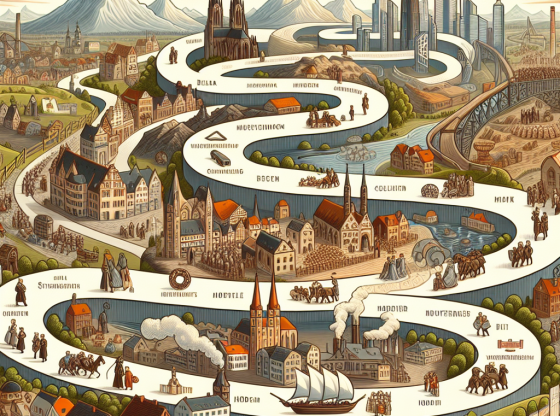
The Alluring Journey of Heterosexuality: From Nineteenth-Century Germany to Modern-Day Scandals explores the evolution of heterosexual relationships and societal perceptions surrounding them, tracing their development from the rigid norms of nineteenth-century Germany through the transformative cultural shifts of the twentieth century. This examination reveals how historical contexts, social movements, and changing moral landscapes have shaped contemporary understandings of heterosexuality. By analyzing literary works, political discourse, and modern scandals, the narrative highlights the complexities and contradictions inherent in heterosexual identities, ultimately reflecting on how these dynamics continue to influence personal relationships and societal expectations today.
The Evolution of Heterosexual Norms in Nineteenth-Century Germany
In the heart of nineteenth-century Germany, a tapestry of social, cultural, and political transformations began to weave itself into the fabric of everyday life. This era marked a pivotal moment in the evolution of heterosexual norms, as society grappled with notions of love, marriage, and gender roles. The Romantic movement, which flourished during this time, played a significant role in shaping these ideals, emphasizing individual emotions and the sanctity of personal relationships. Amidst the backdrop of burgeoning industrialization and urbanization, traditional views on courtship and romance were challenged and redefined.
As cities expanded and populations grew, young men and women found themselves navigating new social landscapes. The rigid structures of aristocratic matchmaking began to dissolve, giving way to a more fluid approach to romantic relationships. No longer confined solely to the upper echelons of society, love became an accessible pursuit for all classes. This shift was not merely a reflection of changing economic conditions; it represented a broader cultural awakening that celebrated personal choice and emotional connection over familial obligation.
Romantic literature of the period encapsulated this transformation beautifully. Writers such as Johann Wolfgang von Goethe and Heinrich Heine explored themes of passionate love and idealized relationships, resonating deeply with the hearts of their readers. Their works often portrayed heterosexual love as a profound force capable of transcending societal constraints, thus elevating the status of romantic partnerships within public consciousness. This literary celebration of love encouraged individuals to pursue their desires openly, fostering a spirit of rebellion against outdated conventions.
However, while the Romantic movement championed the idea of love as a guiding principle, it also imposed its own set of expectations. The idealization of heterosexual relationships often came hand-in-hand with rigid gender roles. Men were expected to be assertive and dominant, embodying strength and decisiveness, while women were idealized as nurturing and submissive figures. This dichotomy created a complex dynamic where genuine affection could sometimes be overshadowed by societal pressures. Despite the liberation offered by newfound freedoms, many still felt compelled to conform to these archetypal roles, leading to internal conflicts in their quest for authentic connections.
Moreover, the rise of bourgeois values further complicated the landscape of heterosexuality during this era. As the middle class emerged, so too did the emphasis on respectability and propriety in romantic engagements. Courtship rituals became formalized, dictating how couples should interact and express their feelings. These prescribed behaviors reflected a desire for stability and order amidst rapid change, yet they also stifled spontaneity and genuine expression. Consequently, while some couples embraced the opportunities presented by this evolving culture, others found themselves trapped within the confines of societal expectations.
As we journey through this captivating period, it becomes clear that the evolution of heterosexual norms in nineteenth-century Germany was both enchanting and tumultuous. The interplay between romantic ideals and societal pressures painted a vivid picture of love’s complexities. While individuals sought to carve out their paths toward meaningful connections, they simultaneously navigated the intricate web of tradition and modernity. This fascinating dance laid the groundwork for contemporary understandings of heterosexuality, revealing how history continues to shape our perceptions of love and partnership today. Thus, the legacy of this transformative era endures, reminding us that the quest for love is both timeless and ever-evolving.
Cultural Influences on Heterosexual Relationships Throughout History
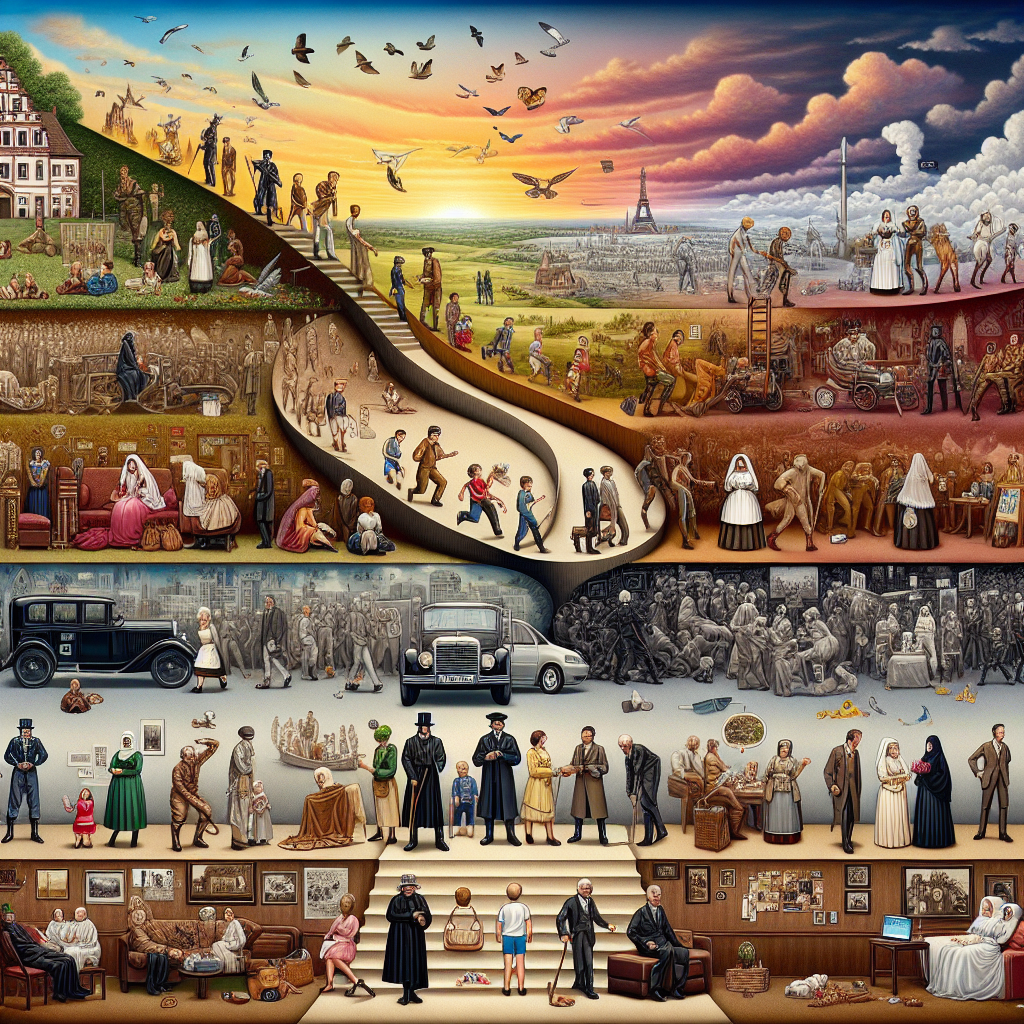
The history of heterosexual relationships is a rich tapestry woven with cultural influences that have shaped societal norms, values, and expectations over centuries. As we traverse through time, we encounter the vibrant threads of romance, tradition, and societal pressures that have defined love between men and women in various contexts. Beginning in the nineteenth century in Germany, we find ourselves amidst a burgeoning romantic movement that celebrated individual emotions and personal connections. This period marked a significant shift from arranged marriages to unions based on affection, where the notion of marrying for love began to take root.
As the Romantic era flourished, literature became a potent medium through which ideals of love were expressed and disseminated. Writers such as Goethe and Schiller painted vivid portraits of passion and longing, thus influencing public perception of heterosexuality. Their works inspired couples to pursue not only physical attraction but also emotional intimacy, leading to a deeper understanding of partnership. The ideal of the soulmate emerged, creating an atmosphere where individuals sought meaningful connections rather than mere compliance with societal expectations.
Transitioning into the twentieth century, the impact of industrialization and urbanization further transformed heterosexual relationships. Cities became melting pots of diverse cultures and ideas, facilitating encounters that transcended traditional boundaries. With increased mobility, young lovers found themselves liberated from the constraints of their familial obligations. However, this newfound freedom was accompanied by its own set of challenges. The rise of modernity brought about changing gender roles, as women began to assert their independence and challenge patriarchal structures. Consequently, the dynamics within heterosexual relationships evolved; partnerships became more egalitarian, yet they also faced tensions stemming from shifting expectations.
As we move toward the mid-twentieth century, post-war society witnessed a resurgence of traditional values alongside the burgeoning sexual revolution. The 1960s heralded an era of liberation where love, sex, and relationships were redefined. Heterosexuality was no longer confined to the domestic sphere; instead, it embraced notions of pleasure and exploration. The feminist movements challenged long-held beliefs about marriage and fidelity, promoting discussions around consent and equality. This juxtaposition of conservative and progressive ideologies created a complex landscape for heterosexual relationships—one that oscillated between tradition and rebellion.
In contemporary times, the influence of technology has ushered in yet another transformation. Dating apps and social media platforms redefine how people connect, allowing for greater accessibility while simultaneously complicating interpersonal dynamics. Relationships are now often influenced by curated online personas, leading to new forms of interaction that can both enrich and hinder genuine connections. Furthermore, scandals surrounding infidelity and public figures reveal the fragility of trust in modern heterosexual partnerships, emphasizing the need for transparency and communication.
Throughout history, heterosexual relationships have been deeply intertwined with cultural narratives, each era contributing its unique flavor to the ongoing dialogue about love and commitment. As we reflect on these influences—from the passionate verses of German poets to the complexities of digital dating—we recognize that the journey of heterosexuality is one characterized by evolution and adaptation. Each cultural wave carries with it lessons learned and stories told, reminding us that love, in all its forms, remains a central theme in the human experience. Thus, as we continue to navigate our own relationships today, we stand on the shoulders of those who came before us, ever captivated by the alluring journey that is heterosexual love.
The Impact of Modern-Day Scandals on Perceptions of Heterosexuality
In the tapestry of human experience, heterosexuality has often been woven into societal norms and expectations, shaping relationships and cultural narratives for centuries. However, as we traverse through modern times, the impact of contemporary scandals has begun to alter perceptions of this age-old orientation in profound ways. The romance of heterosexual love, once celebrated with fervor, now dances alongside a more complex narrative that acknowledges both its beauty and its imperfections.
As we witness high-profile scandals involving public figures, the very fabric of heterosexual relationships is scrutinized under an unyielding spotlight. These incidents, whether they involve infidelity, abuse, or betrayal, serve to challenge the idealistic notions of romantic partnerships that many hold dear. With each revelation, society grapples with the dissonance between the cherished ideals of love and fidelity and the stark realities that emerge from these stories. This juxtaposition forces individuals to confront uncomfortable truths about the nature of intimacy and commitment, prompting a reevaluation of what it means to be in a heterosexual relationship today.
Moreover, social media plays a pivotal role in amplifying these scandals, creating an arena where personal lives are dissected and debated by millions. As platforms like Twitter and Instagram become battlegrounds for public opinion, the sanctity of private relationships is laid bare for all to see. This exposure can erode the mystique surrounding heterosexual love, revealing the vulnerabilities and imperfections inherent in any partnership. Consequently, individuals may find themselves questioning not only their own relationships but also the broader societal constructs that define heterosexuality itself.
Simultaneously, these scandals reveal a growing awareness of the complexities within heterosexual dynamics. In an era where conversations around consent, power imbalances, and emotional labor are increasingly prevalent, traditional narratives of heterosexual romance are being reexamined. What was once seen as a straightforward path toward love and companionship is now acknowledged as layered and multifaceted. This shift encourages a more nuanced understanding of relationships, one that recognizes the potential for both joy and pain while advocating for healthier interactions based on mutual respect and equality.
Furthermore, as modern-day scandals unfold, they often ignite discussions about gender roles and expectations within heterosexual relationships. The archetypes of masculinity and femininity are constantly challenged, leading to a renaissance of thought surrounding how individuals relate to one another romantically. Men and women alike are encouraged to embrace vulnerability and authenticity rather than conforming to outdated stereotypes. This evolution fosters an environment where genuine connections can flourish, allowing love to blossom in ways that transcend mere societal approval.
Ultimately, the allure of heterosexuality remains intact even amidst the chaos of modern scandals. While these events may cast shadows over romantic ideals, they also provide fertile ground for growth and transformation. As society continues to navigate these challenges, there lies an opportunity to redefine what it means to engage in heterosexual love—a chance to cultivate relationships grounded in honesty, resilience, and mutual understanding. In doing so, we honor not only the history of heterosexuality but also pave the way for a future that embraces its complexity with open hearts and minds. Thus, the journey of heterosexuality evolves, enriched by both its trials and triumphs, forever captivating those who dare to explore its depths.
Comparing Historical and Contemporary Heterosexual Experiences
The journey of heterosexuality, particularly from the perspective of its historical roots in nineteenth-century Germany to the contemporary scandals that permeate modern society, offers a captivating lens through which we can examine the evolution of romantic relationships. In the 1800s, German society was characterized by rigid social structures and prescribed gender roles, where love and marriage were often seen as a means of economic stability rather than personal fulfillment. Romanticism flourished during this period, intertwining passion with idealized notions of love, yet societal expectations frequently dictated who could marry whom. This dichotomy between genuine emotion and societal obligation created a complex tapestry of heterosexual experiences that resonated deeply within the hearts of individuals seeking connection.
As we transition into the present day, it becomes evident that while the fundamental desire for love remains unchanged, the context in which these relationships unfold has transformed dramatically. Contemporary heterosexuality is marked by an increased emphasis on individual choice and personal happiness, reflecting broader societal shifts toward autonomy and self-expression. The freedom to choose one’s partner based on love rather than familial or societal pressure has become a hallmark of modern romance. However, this liberation comes with its own set of challenges, including the rise of digital dating platforms, which have revolutionized how people meet and interact. While technology has made it easier to connect with potential partners, it has also introduced complexities such as superficiality and fleeting encounters that can undermine deeper emotional connections.
In examining both eras, we see that the pursuit of intimacy remains a driving force behind heterosexual relationships, yet the ways in which individuals navigate this terrain differ significantly. In the past, courtship rituals were steeped in formality and decorum, often requiring families’ approval before any romantic engagement could take place. Love letters exchanged in secrecy held profound significance, encapsulating feelings that words alone struggled to convey. Today, however, the landscape of courtship is vastly different; the immediacy of communication through text messages and social media allows for rapid exchanges that can foster intimacy but may also dilute the depth of emotional expression.
Moreover, societal norms surrounding sexuality and gender roles have evolved considerably since the nineteenth century. While traditional views often constrained women to submissive roles within heterosexual relationships, contemporary discourse increasingly champions equality and mutual respect. This shift not only empowers individuals but also invites a re-examination of what constitutes a healthy relationship. Yet, despite these advancements, modern-day scandals—ranging from infidelity to public breakups—highlight the ongoing struggles many face in their quest for authentic connection. These incidents serve as reminders that even in an era defined by choice and empowerment, vulnerability remains a poignant aspect of human relationships.
Ultimately, comparing historical and contemporary heterosexual experiences reveals a rich narrative marked by both progress and complexity. As we reflect on the alluring journey from the confines of nineteenth-century norms to the vibrant tapestry of today’s romantic entanglements, it becomes clear that the essence of love—its joys and trials—endures across time. Each generation contributes its unique chapter to this ongoing story, weaving together threads of passion, commitment, and sometimes heartache, all in the pursuit of understanding what it truly means to love and be loved. Thus, the exploration of heterosexuality continues to captivate us, inviting reflection on our shared humanity and the timeless nature of romance itself.
Conclusion
The exploration of heterosexuality from nineteenth-century Germany to modern-day scandals reveals a complex interplay of cultural, social, and political factors that have shaped perceptions and expressions of heterosexual relationships. The journey highlights the evolution of gender roles, societal norms, and the impact of historical events on personal identities and relationships. Ultimately, this trajectory underscores the ongoing negotiation between tradition and modernity, as well as the challenges posed by contemporary issues such as gender equality and sexual politics, illustrating that while heterosexuality has remained a dominant narrative, it continues to be redefined in response to changing societal values.