
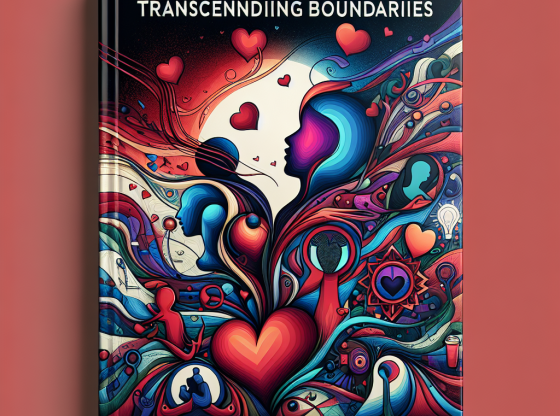
“Transcending Boundaries: A Provocative Guide to Love, Desire, and Identity” explores the intricate interplay between love, desire, and personal identity in a world increasingly defined by fluidity and change. This insightful work challenges conventional norms and invites readers to reconsider their understanding of relationships and self-expression. Through thought-provoking essays and compelling narratives, it delves into the complexities of human connection, examining how cultural, social, and psychological factors shape our experiences of intimacy and belonging. Ultimately, the guide serves as both a reflective journey and a call to embrace the diverse dimensions of love and identity in an ever-evolving landscape.
Redefining Love: Expanding the Definition Beyond Traditional Norms
In a world that is constantly evolving, the concept of love continues to transcend boundaries and challenge traditional norms. As we delve deeper into this intricate emotion, it becomes evident that love cannot be confined to a single definition or structure. Instead, it flourishes in myriad forms, each unique and beautiful in its own right. By expanding our understanding of love, we can embrace a more inclusive perspective that celebrates diversity and acknowledges the complexity of human relationships.
To begin with, love has often been portrayed through a narrow lens, primarily focusing on romantic partnerships between individuals of opposite genders. However, as society progresses, we are increasingly recognizing the validity of various expressions of love, including same-sex relationships, polyamorous arrangements, and platonic bonds that carry profound emotional significance. This shift encourages us to reevaluate preconceived notions and appreciate love’s multifaceted nature. It invites us to consider how deep connections can flourish outside conventional frameworks, allowing for greater authenticity in our interactions.
Furthermore, the evolution of technology and social media has played a pivotal role in redefining love in contemporary society. With just a click, people can connect across vast distances, forming relationships that may have once seemed impossible. Virtual platforms allow individuals to express their feelings and desires in ways that defy geographical limitations. In this digital age, love can manifest through online communities where shared interests foster connections that might not occur in traditional settings. Consequently, these modern avenues for connection prompt us to reconsider what it means to truly love someone, as the emotional bond can thrive even without physical presence.
Moreover, the intersectionality of identity further complicates the notion of love. Factors such as race, gender identity, sexual orientation, and socioeconomic status play significant roles in shaping individual experiences and perceptions of love. Acknowledging these elements enriches our understanding of how love is expressed and received. For instance, the journey of self-discovery within marginalized communities often leads to powerful narratives about love that challenge societal norms. By listening to these voices, we not only expand our definitions but also cultivate empathy and compassion toward others’ experiences.
As we venture deeper into this exploration of love, we must also confront the idea of unconditional love versus conditional love. While many strive for the ideal of loving someone without reservations, the reality is that most relationships require mutual respect and understanding. By embracing the notion that love can coexist with boundaries and expectations, we allow ourselves to navigate relationships more healthily and realistically. This nuanced approach fosters an environment where individuals feel valued and respected while still being free to express their needs and desires.
Ultimately, redefining love involves a willingness to question our beliefs and embrace the unknown. It requires us to celebrate differences rather than fear them, fostering connections that honor individuality while cultivating unity. In doing so, we create a richer tapestry of human experience that reflects the true essence of love—an ever-evolving force that binds us together despite our varied identities and backgrounds. By transcending boundaries and embracing a broader definition of love, we embark on a transformative journey that enhances our capacity for desire, intimacy, and ultimately, a deeper understanding of ourselves and one another.
Desire Without Borders: Exploring Intimacy Across Cultures
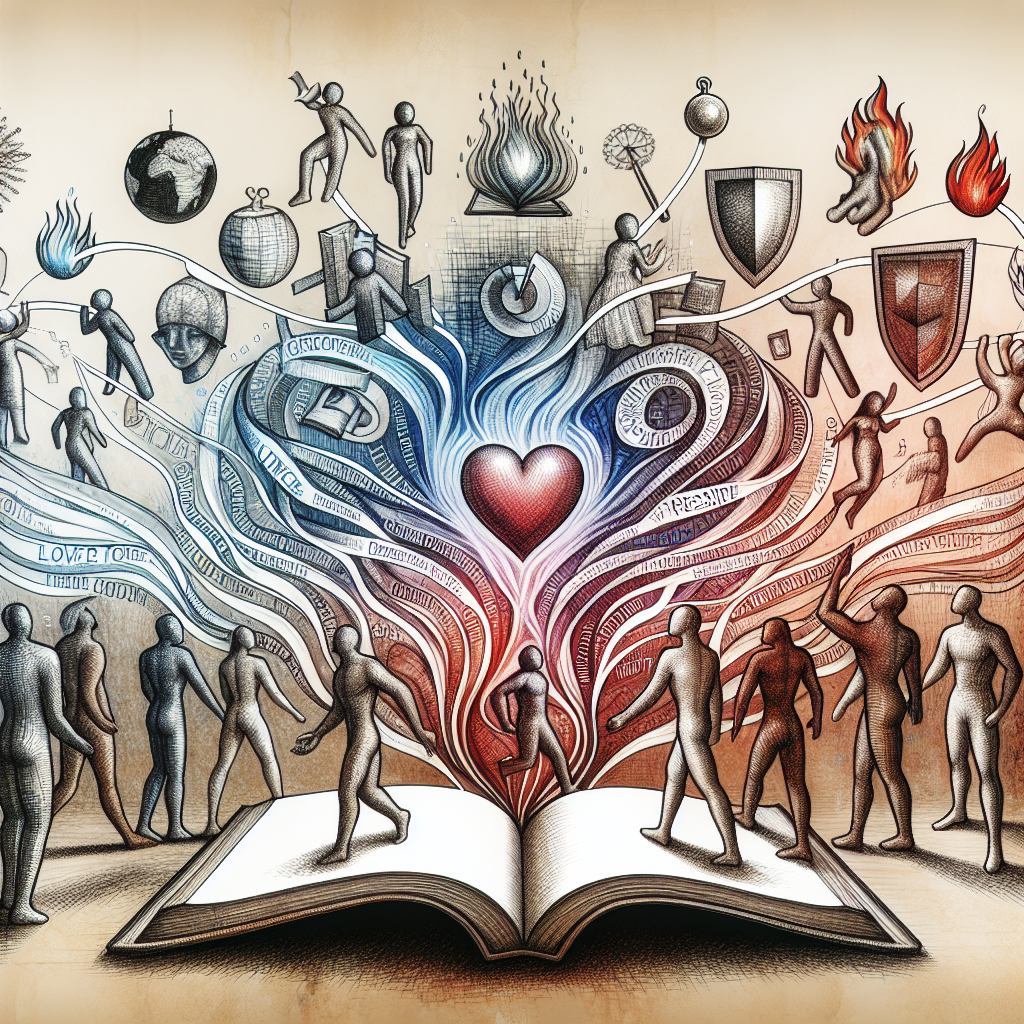
In a world increasingly interconnected by technology and travel, the nuances of intimacy are evolving in fascinating ways. Love and desire have always been universal themes that bind humanity together; however, the expressions of these emotions often vary dramatically across cultures. As we delve into this exploration of intimacy, it becomes clear that understanding love without borders requires an appreciation for both the similarities and differences that define human relationships.
At its core, desire transcends geographical boundaries. From the passionate embraces seen in tango dancing in Argentina to the gentle whispers shared during a traditional tea ceremony in Japan, each culture offers unique rituals and practices that enhance the experience of intimacy. These cultural expressions shape our perceptions of love, influencing how we connect with one another on emotional and physical levels. For instance, while Western notions of romance may prioritize individual expression and personal freedom, many Eastern traditions emphasize familial bonds and communal harmony, reminding us that love can be as much about collective identity as it is about personal satisfaction.
Moreover, language plays a pivotal role in shaping our experiences of desire. Words carry weight, and the phrases we use to express affection can evoke distinct feelings based on cultural context. In some cultures, the act of expressing love verbally might be less common than through actions or gifts. This divergence highlights an essential truth: intimacy is not solely defined by spoken declarations but rather by the myriad ways individuals choose to demonstrate their feelings. Thus, navigating intimate relationships across cultures calls for sensitivity and awareness, fostering deeper connections that honor diverse expressions of love.
As we explore intimacy across cultures, it’s also crucial to consider the impact of globalization. The mingling of different traditions has led to new interpretations of love and desire, creating hybrid forms of intimacy that blend elements from various backgrounds. For example, modern dating apps have opened avenues for cross-cultural encounters, allowing people to forge connections that transcend traditional barriers. Such platforms enable individuals to engage with others who may have vastly different views on relationships, thereby enriching their own understanding of love. However, this blending can sometimes lead to misunderstandings rooted in cultural assumptions, necessitating open communication and a willingness to learn from one another.
Furthermore, gender roles within different societies significantly influence expressions of desire. In many cultures, societal expectations dictate how love should be expressed, often leading to restrictive norms that can stifle genuine connection. Yet, as conversations around gender and sexuality evolve globally, there is a growing movement toward embracing more fluid definitions of intimacy. This shift allows individuals to explore their desires authentically, free from the constraints of tradition. It encourages a broader acceptance of diverse identities, ultimately fostering deeper bonds that celebrate uniqueness rather than conformity.
In conclusion, exploring intimacy across cultures reveals a rich tapestry woven from threads of passion, tradition, and innovation. By acknowledging the complexity of love and desire, we cultivate a greater appreciation for the diverse ways in which people connect. As we continue to traverse these boundaries, let us embrace the journey of discovery, recognizing that every encounter holds the potential to deepen our understanding of what it means to love unconditionally. Ultimately, the pursuit of intimacy—regardless of cultural background—remains a powerful testament to our shared humanity.
Identity Fluidity: Embracing Change in Personal Relationships
In a world that is ever-evolving, the concept of identity fluidity emerges as a beacon of hope and understanding in our personal relationships. Love, desire, and identity are intertwined threads that weave through the fabric of our lives, shaping how we connect with others and ourselves. As we navigate this intricate landscape, embracing change becomes not just a necessity but a profound act of self-discovery and acceptance.
At the heart of identity fluidity lies the recognition that our identities are not fixed; rather, they are dynamic entities influenced by experiences, emotions, and interactions. Just as rivers carve new paths over time, so too do our identities shift and adapt to the currents of life. This adaptability can be particularly liberating in romantic relationships, where rigid expectations often stifle authentic connection. By allowing ourselves the grace to evolve, we open up pathways for deeper intimacy and genuine understanding.
As we embrace this fluidity, it’s essential to recognize the myriad ways love manifests itself. For some, love may blossom in unexpected forms—perhaps between individuals who traditionally would not be seen together or within unconventional arrangements that defy societal norms. In these instances, the ability to transcend traditional boundaries fosters an environment where love can flourish without constraints. It invites us to question preconceived notions about compatibility and attraction, urging us to explore what truly resonates with our evolving selves.
Moreover, identity fluidity encourages us to communicate openly about our desires and needs. When partners engage in honest conversations about their changing identities, they create a safe space where vulnerability can thrive. This openness not only enhances emotional intimacy but also nurtures mutual respect and understanding. In recognizing that each partner is on their own journey of discovery, we cultivate empathy and patience, which are vital ingredients for lasting connections.
Transitioning from one phase of identity to another can evoke fear and uncertainty; however, it can also serve as a catalyst for growth. As individuals redefine their sense of self, they might discover new passions or interests that enrich their relationships. The person you fell in love with years ago may still possess those cherished traits, but perhaps they have also uncovered new facets of themselves that deepen your bond. Embracing this transformation allows both partners to experience love anew, breathing fresh air into what may have begun to feel stagnant.
Furthermore, navigating identity fluidity necessitates an understanding of intersectionality—the idea that various aspects of our identities intersect and influence our experiences. Recognizing how race, gender, sexuality, and culture intertwine informs our perceptions of love and belonging. By honoring these intersections, we celebrate the complexity of human experience and foster relationships that honor the unique tapestry of each individual involved.
Ultimately, embracing identity fluidity in personal relationships opens doors to richer, more meaningful connections. As we learn to appreciate the beauty of change—both in ourselves and in those we love—we allow passion to reignite and grow. This journey requires courage, authenticity, and a willingness to let go of outdated beliefs about who we should be. In doing so, we create space for love that transcends boundaries, inviting us to dance along the edges of our identities while celebrating the vibrant colors of our shared humanity.
The Intersection of Love and Activism: Challenging Societal Limits
In a world where love often dances on the precipice of societal norms, the intersection of love and activism emerges as a compelling narrative that challenges boundaries and redefines identities. Love, in its myriad forms, serves not only as a personal experience but also as a powerful catalyst for change. As individuals embrace their desires—whether romantic, platonic, or self-directed—they inevitably confront the limitations imposed by society. This tension between personal fulfillment and social expectation invites us to explore how love can act as both a refuge and a rebellion.
At the heart of this exploration lies the recognition that love is inherently political. The ways in which we express affection, choose partners, and forge connections are frequently influenced by cultural narratives and historical contexts. For instance, marginalized communities have long utilized love as a form of resistance against oppressive structures. By celebrating relationships that defy conventional norms—such as same-sex partnerships, polyamorous arrangements, or cross-cultural unions—individuals assert their right to love freely, thereby challenging societal limits. This reclamation of love transcends mere romance; it becomes an act of activism, reshaping the landscape of identity and belonging.
Moreover, love’s transformative power is amplified when individuals harness it for collective action. Activist movements rooted in love advocate for inclusivity and acceptance, creating spaces where diverse identities can flourish without fear of judgment. Such movements remind us that love is not solely a private affair but rather a communal bond that unites people across differences. In this context, love becomes a rallying cry, igniting passion and purpose among those who yearn for equality and justice. It is within these shared experiences that individuals find solidarity and strength, fostering a sense of belonging that transcends individual struggles.
As we delve deeper into the connection between love and activism, we begin to see how desire shapes our understanding of identity. When individuals pursue love openly and unapologetically, they challenge the rigid classifications that society often imposes. This fluidity allows for the emergence of new identities that reflect the complexities of human experience. Embracing one’s authentic self—be it through gender expression, sexual orientation, or cultural affiliation—opens up pathways for others to do the same. In this way, love acts as a mirror, reflecting our deepest truths while simultaneously inviting us to question the status quo.
However, the journey toward embracing love as activism is fraught with obstacles. Fear of rejection, societal backlash, and internalized stigma can stifle the very expressions of love that seek to liberate. Yet, it is precisely these challenges that fuel the fire of resistance. By confronting such barriers head-on, individuals become agents of change, paving the way for future generations to inhabit a world where love knows no bounds. Each act of courage—each declaration of love—adds a brushstroke to the vibrant tapestry of humanity, illustrating the beauty found in diversity.
Ultimately, at the intersection of love and activism lies a profound truth: love has the power to transcend boundaries and reshape our understanding of what it means to be human. As we navigate this intricate landscape, let us remember that every act of love is an invitation to challenge societal limits and celebrate the richness of our shared existence. Through love, we discover not only ourselves but also the potential for a more compassionate world, one where desire and identity intertwine harmoniously.
Conclusion
“Transcending Boundaries: A Provocative Guide to Love, Desire, and Identity” challenges conventional understandings of relationships and self-identity by exploring the fluidity of love and desire across various cultural and social contexts. It encourages readers to question societal norms and embrace diverse expressions of identity, ultimately advocating for a more inclusive and expansive view of human connection. The conclusion underscores the importance of personal authenticity and the transformative power of love in transcending societal boundaries, fostering a deeper understanding of oneself and others.