

“Unveiling Desire: Confronting STI Risks and Stigmas in Vibrant Communities” explores the complex interplay between sexual health, societal perceptions, and community dynamics. This work delves into the challenges posed by sexually transmitted infections (STIs) within diverse populations, highlighting how stigma can hinder open dialogue and access to care. By examining cultural attitudes, personal experiences, and public health strategies, the text aims to foster understanding and promote proactive approaches to sexual health education and support, ultimately empowering communities to embrace their desires while prioritizing safety and well-being.
Understanding STI Risks in Vibrant Communities
In the heart of vibrant communities, where laughter mingles with music and love dances in the air, there exists an undercurrent that often remains unspoken—sexually transmitted infections (STIs). These invisible adversaries can cast shadows over the brightness of human connection, yet understanding their risks is essential for fostering not only personal health but also communal well-being. The allure of romance and intimacy can sometimes overshadow the necessity of awareness, making it imperative to delve deeper into the realities surrounding STIs.
As individuals navigate relationships within these lively enclaves, they are frequently swept away by passion. This fervor can lead to moments of vulnerability, where the thrill of new encounters may eclipse thoughts of potential consequences. However, knowledge acts as a guiding light amidst this whirlwind of emotions. STIs, which can spread through intimate contact, remind us that even the most passionate connections require a foundation built on awareness and responsibility. By acknowledging the prevalence of these infections, we empower ourselves and our partners to engage in healthier interactions.
Moreover, the landscape of vibrant communities is often diverse, filled with myriad cultures and perspectives on sexuality. Each narrative contributes to a rich tapestry of experiences, yet this diversity can also complicate conversations about sexual health. In some circles, discussing STIs may invoke feelings of shame or embarrassment, creating barriers that prevent open dialogue. It is crucial to dismantle these stigmas, for they do not merely affect individual lives; they ripple through entire communities, hindering collective progress toward better health outcomes. When people feel comfortable discussing their concerns, they foster environments where education thrives, leading to informed decisions about protection and prevention.
Additionally, the interconnectedness of modern society amplifies the importance of understanding STI risks. With social media platforms and dating apps becoming commonplace avenues for romantic pursuits, individuals often find themselves navigating a complex web of connections. While these tools can enhance social engagement, they can also obscure transparency regarding sexual histories. Therefore, embracing honest communication becomes paramount. Discussing testing practices, safe sex methods, and overall health can transform casual encounters into meaningful exchanges rooted in care and respect.
It is equally important to acknowledge the role of healthcare access in mitigating STI risks. In vibrant communities, disparities in healthcare resources can significantly impact how residents perceive and manage their sexual health. Education initiatives that target marginalized groups can provide vital information and services, empowering individuals to take control of their sexual well-being. By bridging gaps in healthcare access, communities can cultivate an atmosphere where everyone feels valued and supported in their journey towards healthy relationships.
Ultimately, the path to unraveling the complexities of desire and intimacy lies in fostering understanding around STI risks. As vibrant communities continue to flourish, prioritizing sexual health education and reducing stigma will pave the way for more fulfilling connections. Embracing both the beauty of human interaction and the necessity of safety creates an environment where love can blossom without fear. By confronting these challenges together, we can celebrate the richness of our shared experiences while ensuring that every heartbeat resonates with the promise of health and happiness. Thus, let us embark on this journey hand in hand, illuminating the path toward a future where desire flourishes alongside responsibility and compassion.
Breaking the Stigma: Open Conversations About STIs
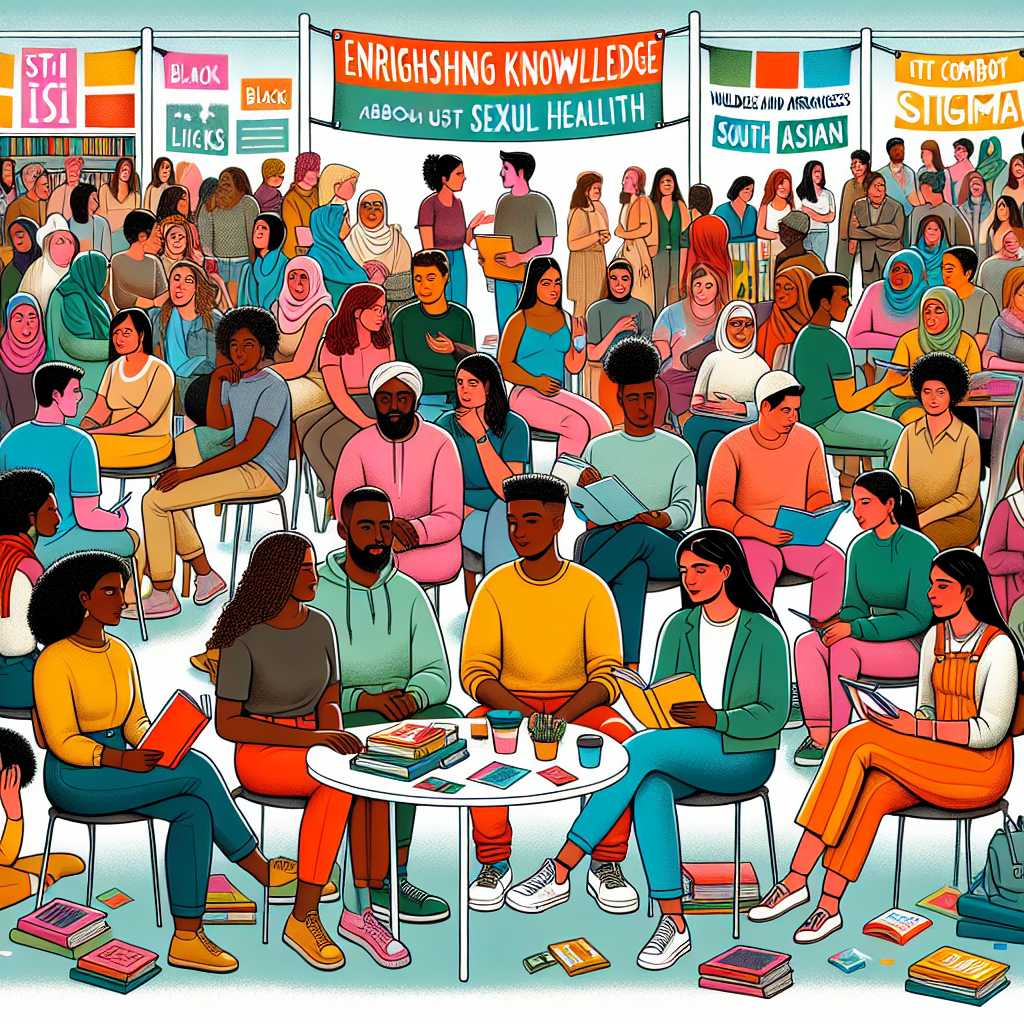
In the heart of vibrant communities, where laughter and love intertwine in a dance of shared experiences, there exists an undercurrent of fear surrounding sexually transmitted infections (STIs). This shadow often dims the glow of intimacy and connection, creating barriers that prevent open dialogue about sexual health. Yet, it is within these very communities that breaking the stigma surrounding STIs can lead to profound transformations, fostering not only healthier relationships but also deeper connections among individuals.
As we embark on this journey of understanding, we must recognize that conversations about STIs are not merely clinical discussions; they are intimate exchanges that can enhance our relationships. By addressing these topics openly, we cultivate an environment where vulnerability is embraced rather than shunned. Imagine a space where partners feel free to share their concerns without the weight of judgment or shame. In such an atmosphere, honesty flourishes, allowing for informed decisions about sexual health and well-being.
Moreover, engaging in open conversations about STIs empowers individuals to take control of their own health narratives. When knowledge is shared freely, misconceptions and myths begin to dissolve like morning fog under the sun’s warm embrace. Many people harbor misunderstandings about STIs, believing them to be solely indicative of promiscuity or moral failing. However, the reality is far more nuanced. STIs can affect anyone, regardless of their lifestyle choices, and acknowledging this truth is crucial in dismantling the stigma that often surrounds them.
To foster these necessary dialogues, community leaders and health advocates play a pivotal role. They can create safe spaces where discussions about sexual health are normalized, encouraging individuals to seek information and support without fear. Workshops, informational sessions, and social gatherings can serve as platforms for education, helping to demystify STIs and promote testing as a routine aspect of healthcare. When the act of getting tested becomes as commonplace as a trip to the dentist, we pave the way for healthier communities imbued with compassion and understanding.
Furthermore, storytelling serves as a powerful tool in breaking down barriers. Personal narratives about living with STIs can resonate deeply, reminding us that behind every statistic lies a human experience filled with emotions, struggles, and triumphs. Sharing these stories fosters empathy and encourages others to confront their fears, transforming silence into solidarity. When individuals see themselves reflected in another’s journey, they may find the courage to speak up about their own experiences, thereby amplifying the collective voice advocating for change.
As we continue to navigate the complexities of desire and connection within our communities, let us remember that breaking the stigma around STIs is not just a personal endeavor but a communal responsibility. Each conversation held in confidence and each story shared bravely contributes to a tapestry of acceptance and understanding. With every step taken towards openness, we move closer to a world where intimacy is celebrated, and sexual health is prioritized without prejudice.
In conclusion, embracing the beauty of open dialogue about STIs allows us to illuminate the shadows that have long lingered over our interactions. By fostering environments rich in trust and respect, we empower ourselves and others to engage fully in both love and life. Together, we can transform the narrative surrounding STIs from one of fear to one of hope and connection, ultimately enriching the fabric of our vibrant communities.
Empowering Sexual Health Education for All
In the tapestry of human experience, desire weaves a thread that connects us all, igniting passions and forging intimate relationships. However, amidst this vibrant landscape of connection, the shadows of sexually transmitted infections (STIs) loom large, often shrouded in stigma and misunderstanding. As we navigate the complex terrain of sexual health, it becomes essential to empower individuals with comprehensive education that demystifies these risks and fosters a culture of openness and acceptance.
To begin with, understanding the nature of STIs is crucial in dispelling myths that often accompany them. Many people harbor misconceptions about how STIs are contracted, leading to unwarranted fears and anxieties. By providing clear, factual information, we can illuminate the pathways through which these infections may spread while simultaneously highlighting effective prevention methods. For instance, embracing safe sex practices such as consistent condom use not only reduces the risk of transmission but also enhances intimacy by fostering trust between partners. This knowledge empowers individuals to take charge of their sexual health, transforming fear into informed action.
Moreover, the conversation surrounding STIs must extend beyond mere statistics and clinical definitions; it should encompass the emotional and relational aspects of sexuality. Sexual health education should embrace the romantic essence of desire, encouraging open dialogues about attraction, consent, and boundaries. When individuals feel comfortable discussing their desires and concerns, they cultivate healthier relationships grounded in mutual respect and understanding. In turn, this openness helps dismantle the stigma associated with STIs, allowing people to seek testing and treatment without shame or hesitation.
Transitioning from awareness to action requires creating accessible resources for communities at all levels. Schools, community centers, and healthcare providers play pivotal roles in disseminating information that resonates with diverse populations. Tailoring educational programs to reflect cultural nuances and varying levels of comfort can significantly enhance engagement. For example, incorporating storytelling and personal narratives into sexual health curricula can foster empathy and relatability, making the subject matter more approachable. When individuals see themselves represented in these discussions, they are more likely to participate actively and advocate for their own well-being.
Furthermore, leveraging technology can amplify the reach of sexual health education. Online platforms offer an opportunity to engage younger generations in a space where they already feel comfortable sharing experiences and seeking guidance. Interactive webinars, social media campaigns, and mobile applications designed for sexual health can provide vital information while also creating supportive online communities. These digital spaces allow individuals to explore their desires safely, ask questions anonymously, and connect with peers who share similar experiences.
As we embark on this journey toward empowering sexual health education for all, it is essential to recognize that each individual’s relationship with desire is unique. Acknowledging this diversity encourages inclusivity and reinforces the idea that everyone deserves access to accurate information and compassionate support. By fostering environments where curiosity is celebrated rather than suppressed, we can inspire a collective movement toward healthier attitudes surrounding sexuality.
Ultimately, confronting STI risks and stigmas in vibrant communities necessitates a holistic approach that intertwines education with empathy. Through nurturing conversations and innovative outreach efforts, we can transform the narrative around sexual health, inviting individuals to embrace their desires while equipping them with the tools needed to protect themselves and their partners. In doing so, we pave the way for a future where love, intimacy, and safety coexist harmoniously, illuminating the path toward a more informed and accepting society.
The Role of Community Support in STI Prevention
In the intricate dance of human connection, where desire intertwines with intimacy, the importance of community support in preventing sexually transmitted infections (STIs) becomes profoundly evident. Vibrant communities, filled with passion and energy, often find themselves at a crossroads when it comes to discussing sexual health. This intersection is not merely a matter of statistics or public health initiatives; rather, it is an intimate conversation that demands openness, understanding, and collective action.
At the heart of this discussion lies the recognition that stigma surrounding STIs can create barriers to seeking help and education. In many vibrant communities, the fear of judgment can overshadow the necessity of honest dialogue about sexual health. Here, community support plays a transformative role, fostering an environment where individuals feel safe to share their experiences and concerns. When people come together—friends, family, and neighbors—they cultivate a tapestry of trust, allowing for candid conversations about prevention, testing, and treatment options. By normalizing these discussions, we begin to dismantle the walls built by shame and misinformation.
Moreover, community support extends beyond mere conversation; it encompasses access to resources and information that empower individuals to take charge of their sexual health. Local organizations, clinics, and peer-led initiatives serve as beacons of hope, providing vital services such as free or low-cost testing, educational workshops, and outreach programs. These resources are crucial in demystifying STIs and equipping individuals with the knowledge they need to make informed choices. As awareness spreads within the community, so too does a sense of solidarity—a shared commitment to safeguarding one another’s health and well-being.
In addition to practical support, the emotional backing provided by a community can significantly influence an individual’s approach to sexual health. The journey towards understanding one’s own desires and risks can be daunting, but having a supportive network encourages vulnerability and self-acceptance. When individuals see others openly navigating their own sexual health journeys, it inspires courage and resilience. This camaraderie transforms the often isolating experience of confronting STI risks into a shared endeavor, reinforcing the idea that no one is alone in their struggles.
Furthermore, as communities rally around the cause of STI prevention, they foster a culture of empathy and compassion. This shift in perspective is essential in addressing the prejudices that often accompany discussions about sexual health. By championing inclusivity and respect, vibrant communities can break down harmful stereotypes associated with STIs, paving the way for a more understanding and accepting environment. This cultural evolution not only benefits those directly affected but also enriches the entire community by promoting healthy relationships based on mutual care and respect.
As we embrace the complexities of desire and intimacy within our communities, let us remember that prevention is not solely an individual responsibility; it thrives in the realm of collective action. The role of community support in STI prevention is undeniably profound—it nurtures open dialogue, provides essential resources, fosters emotional resilience, and cultivates a culture of empathy. Ultimately, when we unite in our efforts to confront STI risks and stigmas, we weave a stronger fabric of connection that celebrates love and desire while prioritizing health and safety for all. In this beautiful interplay of passion and responsibility, vibrant communities emerge as champions of both intimacy and well-being.
Conclusion
“Unveiling Desire: Confronting STI Risks and Stigmas in Vibrant Communities” highlights the urgent need for open dialogue and education surrounding sexually transmitted infections (STIs) within diverse communities. It underscores the importance of dismantling stigmas that hinder individuals from seeking information and treatment, ultimately promoting healthier sexual practices and fostering a supportive environment. By addressing both the medical and social dimensions of STIs, the initiative aims to empower individuals, enhance community awareness, and cultivate a culture of acceptance and proactive health management.