

“Unveiling Desire: How Familial Wounds Shape Her Intimate Connections” explores the profound impact of early familial relationships on a woman’s romantic and sexual life. This insightful book delves into the psychological scars left by childhood experiences, examining how these deep-seated wounds influence her ability to form and maintain intimate connections. Through a blend of personal narratives, expert analysis, and therapeutic strategies, the book offers a compassionate look at the journey from pain to healing. It empowers women to understand their past, reclaim their sense of self, and build healthier, more fulfilling relationships.
Exploring The Roots: How Childhood Trauma Influences Adult Relationships
In the intricate dance of intimate connections, our past often serves as an invisible choreographer, guiding each step with a silent yet profound influence. Childhood trauma, particularly familial wounds, casts long shadows that can shape the contours of our adult relationships in ways both subtle and overt. The tender threads of our early experiences weave into the fabric of our desires, fears, and behaviors, often dictating how we relate to those we hold dear.
From the very beginning, our family environment sets the stage for our understanding of love and connection. When these early bonds are marred by neglect, abuse, or emotional turmoil, the repercussions ripple through our lives, embedding themselves deeply within our psyche. For instance, a child who grows up in an atmosphere devoid of affection may internalize feelings of unworthiness, carrying these sentiments into adulthood. This sense of inadequacy can manifest in their intimate relationships, leading them to either cling desperately to partners or push them away out of fear of rejection.
Moreover, the coping mechanisms developed during childhood to navigate a tumultuous home life often resurface in adult relationships. A person who learned to suppress emotions as a means of survival might struggle with vulnerability, finding it challenging to express their needs and desires openly. Conversely, someone who adopted hyper-vigilance to avoid conflict might become overly sensitive to their partner’s moods, constantly seeking reassurance and validation.
These patterns are not merely remnants of a bygone era but active participants in the present, subtly influencing choices and reactions. For example, an individual with unresolved parental abandonment issues might gravitate towards partners who are emotionally unavailable, unconsciously reenacting their initial experience in an attempt to achieve a different outcome. Unfortunately, this often leads to a cycle of disappointment and heartache, reinforcing the original wound rather than healing it.
However, understanding the roots of these behaviors offers a pathway to transformation. By recognizing the connection between past traumas and current relational dynamics, individuals can begin to disentangle themselves from destructive patterns. Therapy and self-reflection play crucial roles in this process, providing tools to address deep-seated wounds and fostering healthier ways of relating.
Furthermore, it’s essential to acknowledge the resilience inherent in human nature. Despite the scars left by childhood trauma, many people cultivate fulfilling and loving relationships. They do so by actively working on their emotional health, setting boundaries, and choosing partners who support their growth. The journey is undoubtedly arduous, requiring patience and compassion for oneself, but it is also profoundly rewarding.
In the realm of romance, where vulnerability and trust are paramount, the impact of familial wounds cannot be overstated. Yet, amid the complexities and challenges lies an opportunity for profound connection and healing. As individuals confront their past and embrace their present with greater awareness, they pave the way for deeper intimacy and genuine love.
Ultimately, while childhood trauma shapes the landscape of our adult relationships, it does not define them entirely. With conscious effort and a willingness to heal, one can transcend the limitations imposed by early wounds. In doing so, they unlock the potential for richer, more authentic connections that honor both their history and their capacity for growth. Thus, unveiling desire becomes not just an exploration of passion but a testament to the enduring strength of the human spirit.
Breaking The Cycle: Healing Familial Wounds To Foster Healthy Intimacy
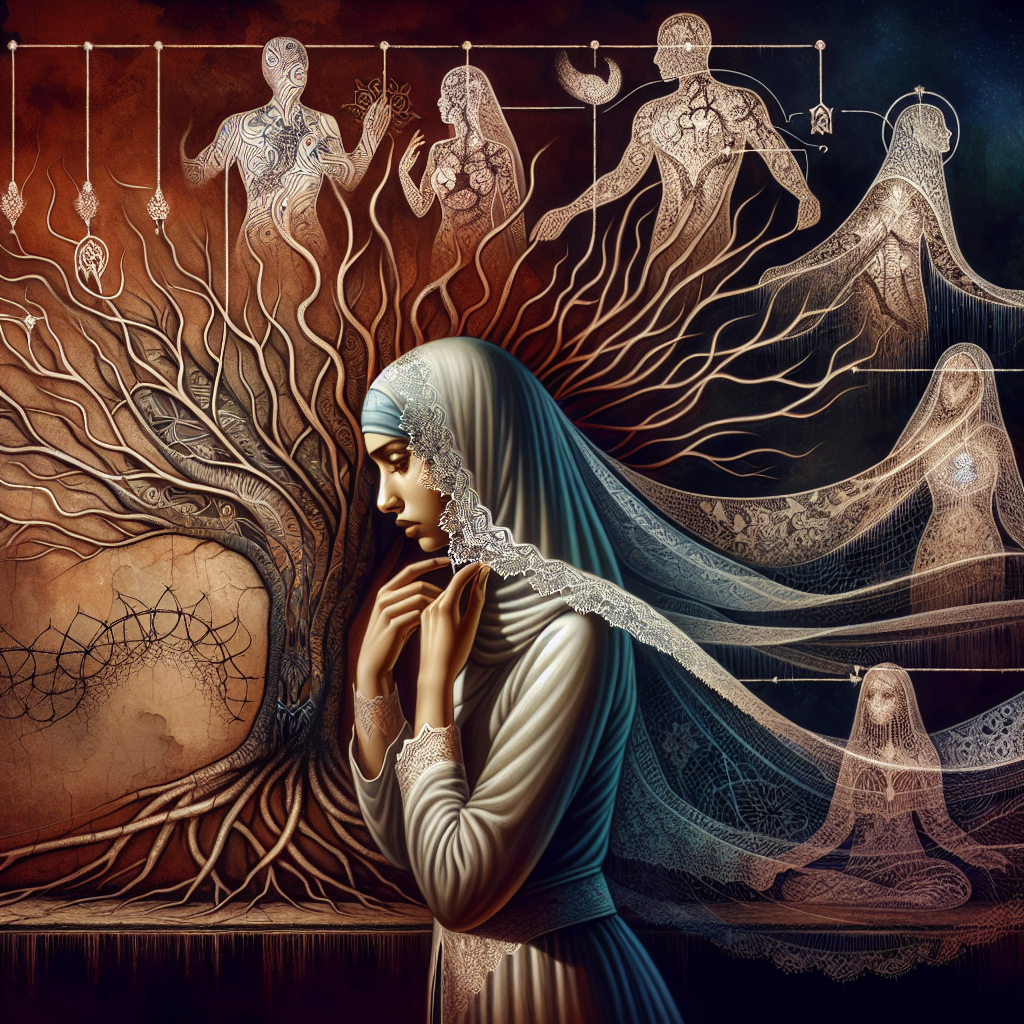
In the labyrinth of human relationships, the intricate dance between past experiences and present desires often dictates the rhythm of our intimate connections. For many individuals, familial wounds—those deep-seated emotional scars born from early family dynamics—cast long shadows over their romantic endeavors. These wounds, often hidden beneath layers of resilience and self-preservation, subtly influence how one perceives love, trust, and vulnerability. It is through understanding and healing these familial wounds that one can break the cycle and foster healthy intimacy.
The journey begins with recognizing the patterns that stem from childhood. Often, the way we were loved, or not loved, by our primary caregivers sets the stage for future relationships. For instance, a child who grew up in an environment where affection was scarce may develop an inherent fear of abandonment. This fear can manifest in adulthood as clinginess or an overwhelming need for reassurance in romantic relationships. Conversely, a child who witnessed volatile arguments between parents might internalize conflict as a normal aspect of love, leading to tumultuous adult relationships.
Acknowledging these patterns is the first step toward breaking free from their grip. By bringing these unconscious influences to light, individuals can begin to understand why they are drawn to certain types of partners or why they react in specific ways during conflicts. This awareness fosters a sense of empowerment, allowing them to make conscious choices rather than being driven by unexamined impulses.
Healing familial wounds requires both introspection and action. Therapy can be an invaluable tool in this process, offering a safe space to explore painful memories and gain insights into one’s behavior. Through therapeutic techniques such as cognitive-behavioral therapy (CBT) or psychodynamic therapy, individuals can reframe their narratives and develop healthier coping mechanisms. Additionally, practices like mindfulness and meditation can help cultivate a deeper connection with oneself, fostering self-compassion and emotional regulation.
As one heals these wounds, it becomes possible to build healthier intimate connections. Trust, often eroded by past betrayals or neglect, can be rebuilt through consistent and open communication. Learning to express needs and boundaries clearly helps create a foundation of mutual respect and understanding. Moreover, embracing vulnerability, though daunting, allows for genuine emotional intimacy. When both partners feel safe to share their fears and insecurities, it strengthens the bond and nurtures a deeper connection.
Breaking the cycle also involves redefining what love means. Moving away from dysfunctional patterns requires a shift in perspective—from viewing love as something that must be earned or fought for, to seeing it as a mutual exchange of care and respect. This transformation is not instantaneous but evolves gradually as old wounds heal and new, healthier habits take root.
Ultimately, the path to fostering healthy intimacy lies in a delicate balance between self-awareness and proactive change. By unraveling the threads of past familial wounds and weaving new patterns of love and connection, individuals can transcend their histories and embrace a future filled with fulfilling and nurturing relationships. In this journey, each step taken towards healing not only mends personal pain but also paves the way for a legacy of healthier, more loving connections for generations to come.
The Hidden Impact Of Parental Dynamics On Romantic Desires
The hidden impact of parental dynamics on romantic desires often unfolds like an intricate dance, subtly influencing the rhythm of intimate connections. From childhood, familial interactions embed themselves in the psyche, forming a blueprint that guides adult relationships. The way parents interact with each other and their children becomes a silent script, whispering cues about love, trust, and vulnerability.
As she navigates her own romantic landscape, these early imprints emerge in nuanced ways. For instance, a father who is emotionally distant may inadvertently teach his daughter to seek validation from aloof partners, perpetuating a cycle of yearning and unfulfilled desire. Conversely, a mother’s nurturing presence might instill a longing for constant emotional support, shaping her preference for partners who exhibit similar traits. These subconscious patterns weave through her intimate connections, creating a tapestry rich with echoes of her past.
Moreover, the dynamics between her parents serve as a model for understanding conflict and resolution. If disagreements were met with silence or aggression in her household, she might find herself either avoiding confrontation or engaging in heated arguments with her partner. This can lead to a perpetual struggle to find harmony, as the unresolved wounds from her upbringing bleed into her present interactions. On the other hand, witnessing parents who communicate openly and resolve conflicts with empathy can foster a healthier approach to handling disagreements in her own relationships.
Transitioning from the influence of parental behavior, it is also essential to consider the role of attachment styles formed during childhood. Secure attachments, characterized by consistent and responsive caregiving, lay the foundation for trusting and balanced romantic relationships. However, insecure attachments, whether anxious or avoidant, can manifest as clinginess or emotional detachment in adulthood. An individual with an anxious attachment style may constantly seek reassurance from their partner, driven by an underlying fear of abandonment rooted in inconsistent parental attention. In contrast, someone with an avoidant attachment style might struggle with intimacy, keeping their emotions at arm’s length to protect themselves from potential rejection—a defense mechanism honed in response to unavailable caregivers.
These deep-seated influences are not immutable; awareness and introspection can pave the way for transformation. By recognizing how parental dynamics have shaped her desires and behaviors, she can begin to untangle the threads of her past and reweave them into a narrative that serves her present self. Therapy, self-reflection, and open communication with her partner can facilitate this process, allowing her to break free from inherited patterns and cultivate more fulfilling connections.
In addition to personal growth, the choice of partner plays a significant role in this journey. A compassionate and understanding partner can provide a safe space for healing and growth, offering new experiences that challenge old beliefs about love and intimacy. Together, they can co-create a relationship that honors both their individual histories and their shared future, blending lessons learned from the past with aspirations for a more harmonious union.
Ultimately, unveiling the desire shaped by familial wounds involves a delicate balance of acknowledging the past while embracing the possibility of change. It is a journey marked by vulnerability and resilience, where each step forward brings her closer to a deeper understanding of herself and her capacity for love. Through this exploration, she can transform the shadows of her upbringing into guiding stars, illuminating the path to more authentic and satisfying romantic connections.
Reclaiming Connection: Transforming Pain Into Passion In Love Life
In the delicate tapestry of intimate connections, familial wounds often weave threads that are both intricate and profound. These early experiences can deeply influence how one navigates the labyrinth of love, shaping desires and fears in ways that are not always immediately apparent. As we begin to understand these underlying patterns, it becomes possible to transform pain into passion, reclaiming a sense of connection that is both fulfilling and transformative.
At the heart of this transformation lies the recognition of how past hurts impact present relationships. For many, childhood experiences set the stage for future romantic encounters. A parent’s absence or emotional unavailability can create a longing for approval and affection, manifesting as an insatiable desire for validation from partners. Conversely, overbearing parental figures might instill a fear of vulnerability, leading to guardedness and difficulty in establishing deep connections. By acknowledging these influences, individuals can start to unravel the complex emotions that drive their intimate interactions.
Transitioning from awareness to action requires a willingness to confront these wounds head-on. It involves peeling back layers of defense mechanisms and allowing oneself to be vulnerable. This process is akin to opening a long-sealed book, where each page reveals insights into one’s behaviors and choices in love. Through introspection and sometimes with the guidance of therapy, one can identify recurring patterns that have hindered genuine intimacy. This journey, while challenging, holds the promise of healing and empowerment.
As individuals embark on this path of self-discovery, they often find that communication plays a pivotal role in reshaping their love lives. Honest dialogue with partners about past traumas and current needs fosters an environment of trust and empathy. When both parties are aware of each other’s histories, they can navigate triggers with sensitivity and support. This mutual understanding transforms potential points of contention into opportunities for deeper connection.
Moreover, embracing the concept of self-love is essential in this transformative process. Recognizing one’s worth independent of external validation allows for healthier relationship dynamics. Instead of seeking fulfillment solely through another person, individuals learn to cultivate a sense of completeness within themselves. This shift not only reduces dependency but also enriches partnerships with a balanced exchange of love and respect.
In addition to inner work, engaging in activities that foster joy and creativity can reignite passion in one’s love life. Exploring shared interests or discovering new hobbies together strengthens bonds and creates positive memories. These experiences serve as reminders that despite past pains, there is always room for growth and happiness.
The journey of transforming familial wounds into passionate connections is ongoing and ever-evolving. It demands patience, resilience, and a commitment to personal growth. However, the rewards are immeasurable. As individuals heal and evolve, they bring forth versions of themselves that are more open, loving, and capable of sustaining meaningful relationships.
Ultimately, reclaiming connection is about turning pain into a powerful catalyst for love. By understanding and addressing the roots of our desires and fears, we pave the way for intimate connections that are not only passionate but also profoundly enriching. In doing so, we honor our pasts while creating brighter, more connected futures.
Conclusion
“Unveiling Desire: How Familial Wounds Shape Her Intimate Connections” concludes that early familial experiences and unresolved emotional wounds significantly influence a woman’s approach to intimate relationships. These deep-seated issues can manifest in various ways, such as attachment styles, trust levels, and patterns of behavior within romantic partnerships. Healing and understanding these familial wounds are crucial for fostering healthier, more fulfilling intimate connections.