

“Unveiling the Veil: Decoding the Anti-Trans Agenda in Disguise” explores the nuanced and often covert strategies employed by groups opposing transgender rights. This analysis delves into the rhetoric, policies, and societal narratives that mask anti-trans sentiments under the guise of protecting traditional values or promoting public safety. By examining legislative measures, media portrayals, and cultural discourses, the work aims to reveal the underlying motivations and implications of these agendas, fostering a deeper understanding of the challenges faced by the trans community. Through critical insights and comprehensive research, it seeks to empower advocates and allies in the fight for equality and justice.
Understanding the Anti-Trans Agenda: Key Motivations and Tactics
In a world that often celebrates diversity and individuality, the emergence of anti-trans agendas can feel like a dissonant chord in a beautiful symphony. To understand these movements, we must delve into their underlying motivations and tactics, which are frequently cloaked in language that seeks to disguise their true intent. At the heart of this agenda lies a complex interplay of fear, misinformation, and a desire for control over societal norms.
Fear is perhaps the most potent motivator driving anti-trans sentiments. It feeds on uncertainty and thrives in environments where individuals feel threatened by change. This fear manifests as a longing for a return to traditional values, often romanticized as a simpler time when gender roles were clearly defined. In this context, trans identities become symbols of disruption, challenging established norms and evoking anxiety about the future. Those who propagate these beliefs frame their rhetoric around the notion of protecting children or preserving family structures, all while ignoring the lived experiences and rights of transgender individuals.
As we navigate through this landscape, it becomes evident that misinformation plays a critical role in shaping public perception. Misguided narratives regarding transgender people often circulate widely, creating an atmosphere ripe for misunderstanding. For instance, claims suggesting that trans individuals pose a threat to women’s safety in public spaces have gained traction despite lacking any substantive evidence. These misconceptions serve to dehumanize trans individuals, reducing them to mere talking points in a political debate rather than acknowledging their humanity and dignity. In essence, the narrative shifts from recognizing the struggles faced by trans individuals to framing them as adversaries in a fabricated war.
Moreover, the tactics employed by anti-trans advocates often involve strategic legal maneuvers aimed at eroding protections for transgender people. By introducing legislation that restricts access to healthcare, education, and public accommodations, they create an environment where discrimination is not only permissible but encouraged. The language used in these laws frequently masquerades under the guise of “protecting” certain groups, yet the impact is clear: it systematically marginalizes those who already face significant challenges. Such actions reveal a chilling disregard for the principles of equality and justice that many societies profess to uphold.
Transitioning from fear and misinformation, we arrive at another crucial element of the anti-trans agenda: the appeal to emotion. By invoking narratives centered around parental rights and community safety, advocates seek to rally support among those who may not fully understand the complexities surrounding gender identity. This emotional manipulation can be particularly effective, as it taps into deep-seated instincts to protect loved ones and preserve social order. Yet, amidst this emotional turmoil, it is essential to recognize the voices of those directly affected—the transgender individuals whose lives hang in the balance of these debates.
Ultimately, understanding the anti-trans agenda requires us to peel back layers of rhetoric and examine the motivations and tactics at play. By doing so, we uncover not just a battle against individual identities, but a broader struggle for acceptance and recognition within society. As we embrace the beauty of human diversity, it becomes imperative to challenge these harmful narratives with empathy and knowledge, fostering a dialogue that honors every individual’s right to exist authentically. In this quest for understanding, we can hope to weave together a tapestry rich in compassion, inclusivity, and love—a harmonious counterpoint to the discord sown by anti-trans agendas.
The Role of Misinformation in Shaping Public Perception of Trans Issues
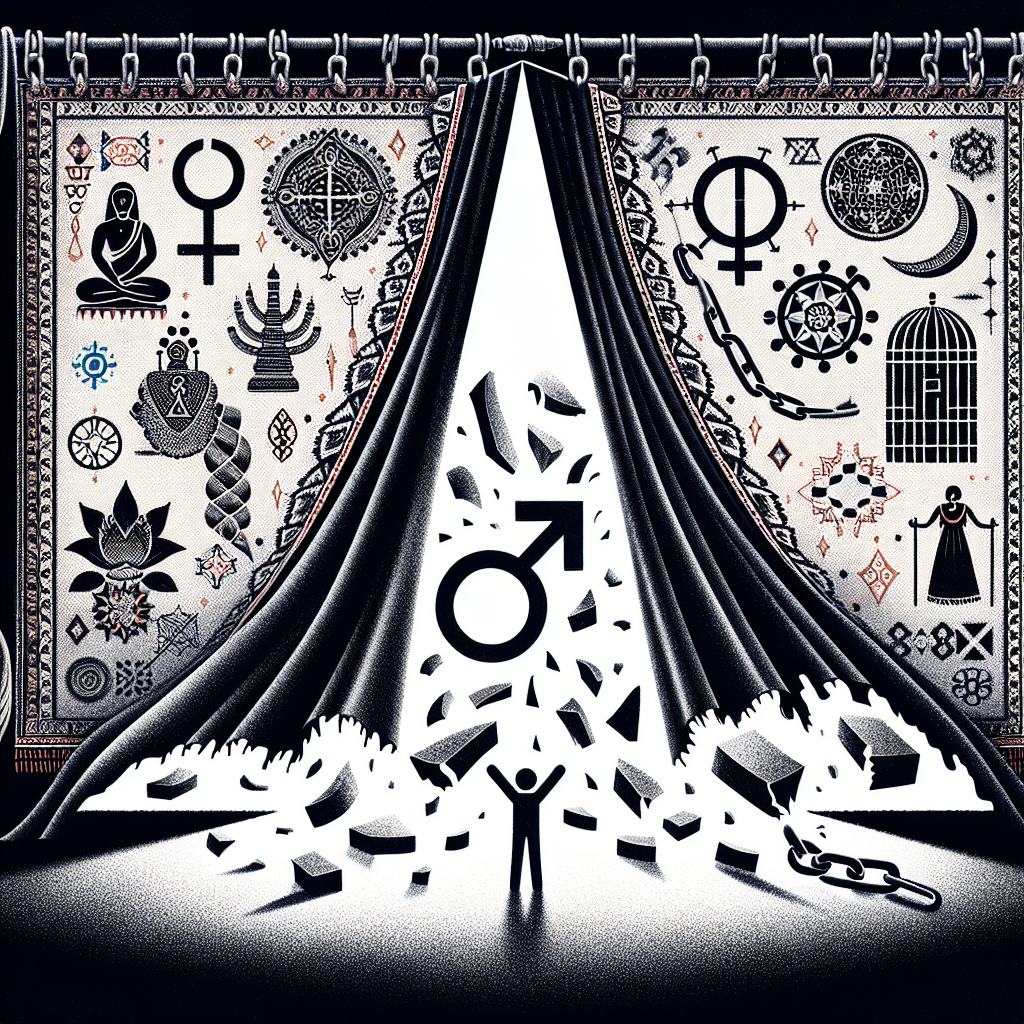
In the intricate tapestry of societal beliefs and values, misinformation often weaves its threads with a deceptive elegance, shaping public perception in ways that can be both subtle and profound. When it comes to trans issues, this misinformation does not merely exist as an isolated phenomenon; rather, it flourishes within a broader narrative that seeks to define and confine identities. As we delve into this complex landscape, it becomes evident that the role of misinformation is not only significant but also insidious, impacting lives and communities in deeply personal ways.
At the heart of this discourse lies the manipulation of language and imagery surrounding transgender individuals. The portrayal of trans people in media, whether through sensational headlines or distorted narratives, creates an environment ripe for misunderstanding and fear. This misrepresentation serves a dual purpose: it reinforces existing prejudices while simultaneously obscuring the rich diversity of trans experiences. Consequently, when society encounters these skewed depictions, it risks forming opinions based on half-truths and stereotypes rather than understanding rooted in empathy and education.
Furthermore, misinformation thrives in echo chambers where certain ideologies are amplified without challenge. Social media platforms, while facilitating connections and sharing of ideas, can also become breeding grounds for harmful rhetoric. In these digital spaces, misleading information about trans rights, healthcare, and social acceptance circulates rapidly, perpetuating myths that paint trans individuals as threats to societal norms. This cycle of misinformation fosters division and hostility, making it increasingly difficult for constructive dialogue to emerge. Thus, the conversations that should celebrate individuality and promote inclusivity are overshadowed by a cacophony of fear-mongering messages.
As we navigate through this murky terrain, it is crucial to recognize the emotional toll that such misinformation exacts on trans individuals and their allies. Each falsehood propagated contributes to a climate of alienation and mistrust, eroding the very foundations of community support that many rely upon. For those who identify as trans, living authentically becomes a courageous act amidst a backdrop of systemic misunderstanding. It is a reminder that behind every statistic and headline lies a person with dreams, struggles, and an unwavering desire for acceptance.
Yet, amid this challenging landscape, there exists a burgeoning movement dedicated to counteracting misinformation with truth and compassion. Activists, educators, and allies are working tirelessly to amplify authentic voices and share real stories that reflect the complexity of trans lives. By fostering environments where open conversations can flourish, they strive to dismantle the barriers erected by ignorance. Through workshops, educational programs, and grassroots initiatives, they aim to replace fear with understanding, encouraging individuals to confront their biases and embrace the beauty of diversity.
In conclusion, the battle against misinformation is not merely an intellectual endeavor; it is a deeply emotional journey toward building a more inclusive world. As we unveil the veil obscuring trans issues, we must commit ourselves to seeking out the truth and sharing knowledge with grace. Only then can we hope to transform perceptions and cultivate a society that honors the richness of every identity. Embracing this mission requires courage and dedication, yet it is ultimately a quest worth undertaking—a path leading us closer to love, understanding, and unity for all.
Legislative Strategies: How Anti-Trans Policies Are Formulated and Implemented
In the intricate dance of politics, where ideologies intertwine and clash, the anti-trans agenda emerges not as a singular force but as a tapestry woven with threads of legislation that seek to obscure the identities and rights of transgender individuals. This agenda, often cloaked in the guise of protecting children or preserving traditional values, is meticulously formulated through a series of strategic legislative maneuvers that reveal an underlying intent: to deny the legitimacy of trans existence. As we delve into this realm, it becomes evident that each bill introduced is not merely a collection of words on paper; rather, it is a carefully crafted narrative designed to resonate with specific fears and biases.
To begin understanding how these policies take shape, one must first consider the environment in which they are born. The rise of social media has amplified voices both for and against trans rights, creating an echo chamber that fuels misinformation and fear-mongering. In response, lawmakers often seize upon prevailing sentiments within their constituencies, crafting bills that promise to uphold societal norms while simultaneously undermining the dignity of trans individuals. By framing their proposals as protective measures, proponents of anti-trans legislation skillfully exploit emotional rhetoric, appealing to the instinctual desire to safeguard perceived innocence.
Once these ideas gain traction, the process of implementation begins. Legislative committees become battlegrounds where passionate testimonies collide with cold statistics. Advocates for trans rights find themselves in a precarious position, striving to counter narratives laden with misconceptions while facing an uphill battle against well-funded lobbying efforts. It is here that the artistry of persuasion plays a crucial role; lawmakers who champion anti-trans policies often employ euphemistic language, referring to “gender protection” or “family values,” thereby masking their true intentions beneath layers of seemingly benign terminology.
As these policies progress through various stages of approval, the importance of timing cannot be overstated. Anti-trans initiatives frequently coincide with larger political movements or cultural moments, strategically aligning themselves with issues that capture public attention. For instance, during election cycles, candidates may introduce bills targeting trans youth, presenting them as champions of parental rights. This calculated maneuvering not only galvanizes support from certain voter blocs but also shifts the national discourse toward divisive topics, effectively sidelining more pressing matters.
Moreover, once enacted, these policies do not exist in isolation; they create ripple effects that permeate society. Schools become battlegrounds where educators grapple with conflicting mandates, healthcare providers face ethical dilemmas regarding patient care, and families navigate the emotional turmoil wrought by discriminatory laws. Each policy reinforces a culture of fear and misunderstanding, perpetuating the notion that trans lives are somehow less valid than those of their cisgender counterparts.
In conclusion, the formulation and implementation of anti-trans policies represent a complex interplay of ideology, emotion, and strategy. These legislative efforts are not simply reactive responses to societal changes; they are proactive attempts to reshape the very fabric of our understanding of gender and identity. As advocates continue to challenge these insidious agendas, it is imperative to recognize the profound impact of language and narrative in shaping public perception. Through awareness and advocacy, the veil can be lifted, illuminating the truth behind these policies and fostering a future where all individuals are celebrated for their authentic selves.
The Impact of Anti-Trans Rhetoric on Mental Health and Community Well-being
In the intricate tapestry of societal discourse, the threads woven with anti-trans rhetoric cast a shadow that stretches far beyond mere words. These narratives, often cloaked in the guise of tradition or protection, subtly infiltrate the very fabric of communities, leaving an indelible mark on mental health and overall well-being. As we navigate through this complex landscape, it becomes essential to recognize the profound impact such rhetoric has on individuals who identify as transgender and their allies, illuminating both the struggles they face and the resilience they embody.
At the heart of this issue lies a pervasive atmosphere of fear and misunderstanding. Anti-trans sentiments are not simply benign opinions; they manifest as systemic barriers that marginalize an already vulnerable population. For many transgender individuals, the constant barrage of negative messaging can lead to feelings of isolation and despair. The weight of societal rejection can become a heavy burden, contributing to higher rates of anxiety, depression, and suicidal ideation. This is not merely conjecture; research consistently highlights these alarming statistics, revealing that transgender youth are particularly at risk, facing challenges that can be exacerbated by hostile environments and unsupportive social circles.
Moreover, the psychological ramifications extend beyond the individual, rippling through families and communities. When parents grapple with societal prejudices against their transgender children, they too may experience emotional turmoil. The struggle to reconcile love for their child with external pressures can lead to strained relationships and increased familial stress. In this delicate dance, the bonds that ideally serve as sources of strength may instead become fraught with tension, further complicating the journey toward acceptance and understanding.
As we delve deeper into this narrative, it becomes evident that the consequences of anti-trans rhetoric are not confined to personal distress alone. They seep into communal spaces, affecting collective well-being and fostering an environment where discrimination thrives. When public figures and institutions propagate harmful stereotypes or engage in inflammatory language, they inadvertently validate a culture of intolerance. This climate can deter individuals from seeking help or support, fearing backlash or ridicule. Thus, the community’s ability to flourish diminishes, stifling diversity and diminishing the richness that comes from embracing all identities.
Yet, amidst this tumultuous backdrop, there exists a glimmer of hope—a testament to human resilience and the power of solidarity. Communities that actively challenge anti-trans rhetoric foster environments where acceptance and love prevail. Initiatives aimed at education and awareness serve as vital antidotes, dismantling misconceptions and promoting empathy. By encouraging open dialogue, these efforts create safe spaces for transgender individuals to share their stories and experiences, allowing others to witness the beauty and complexity of their journeys.
Ultimately, the fight against anti-trans rhetoric is not solely about protecting one group; it is about nurturing a society that values every individual’s right to exist authentically. As we peel back the layers of stigma and prejudice, we uncover a rich mosaic of humanity—each piece contributing to a larger narrative of love, acceptance, and belonging. In recognizing the detrimental effects of harmful rhetoric on mental health and community well-being, we pave the way for healing, creating a world where everyone can thrive without fear or shame. It is within this shared vision that we find our truest selves, embracing the vibrant spectrum of identity that colors our existence.
Conclusion
“Unveiling the Veil: Decoding the Anti-Trans Agenda in Disguise” reveals the subtle and often insidious tactics employed by anti-trans activists to undermine the rights and identities of transgender individuals. By cloaking their agenda in rhetoric that appears to advocate for traditional values or women’s rights, these groups seek to legitimize discrimination and marginalization. The analysis highlights the importance of critically examining the narratives presented by such movements, emphasizing the need for solidarity and advocacy in support of trans rights. Ultimately, the work calls for a unified response to challenge these deceptive strategies and affirm the dignity and humanity of all individuals, regardless of gender identity.