
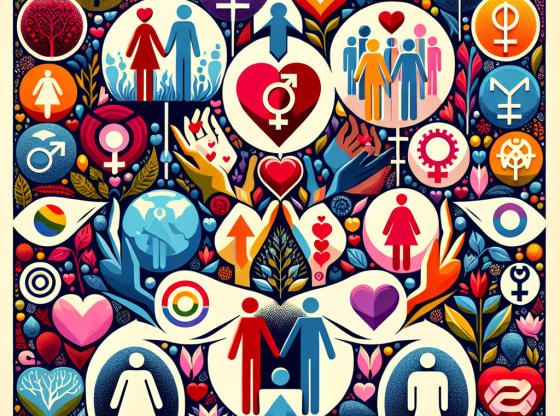
“Empowering Desire: Crafting a Safer Sexual Landscape for All” delves into the essential dialogue surrounding sexual health, consent, and inclusivity. This work aims to dismantle the stigmas and barriers that hinder open conversations about sexuality, advocating for a society where individuals feel empowered to express their desires safely and confidently. By addressing issues such as consent education, safe practices, and the importance of diverse voices in the sexual discourse, this initiative seeks to create an environment that promotes respect, understanding, and safety for everyone. Through informed discussions and actionable strategies, “Empowering Desire” envisions a future where all individuals can navigate their sexual landscapes with autonomy and security.
Consent Education: A Foundation for Empowering Desire
In the intricate tapestry of human relationships, consent serves as a foundational thread that weaves together intimacy and respect. It is not merely a legal or moral obligation; rather, it is an expression of desire, mutual understanding, and trust between partners. As society evolves, the need for comprehensive consent education becomes increasingly crucial, transforming the landscape of sexual interactions into one where every individual feels empowered to express their desires openly and safely.
At its core, consent education nurtures an environment where communication flourishes. When individuals are educated about the nuances of consent, they learn to articulate their feelings and boundaries with clarity. This process encourages not only self-awareness but also empathy towards others’ needs and limits. In romantic encounters, where emotions can run high and vulnerability is often at play, having the tools to engage in honest dialogue can enhance connection and deepen intimacy. By fostering open conversations about desires and boundaries, we create spaces where love and passion can thrive without fear or misunderstanding.
Moreover, consent education emphasizes that consent must be enthusiastic, ongoing, and reversible. It is vital for individuals to understand that saying “yes” should come from a place of genuine desire, free from coercion or pressure. This understanding shifts the paradigm from viewing consent as a mere checkbox to recognizing it as an active, dynamic component of any relationship. When both partners feel empowered to assert their wishes and negotiate their comfort levels, the experience transforms into a shared journey, rich with exploration and discovery.
As we delve deeper into the importance of consent education, it becomes evident that this knowledge equips individuals to navigate complex emotional landscapes. Many people enter romantic relationships carrying past experiences that shape their perceptions of intimacy. For some, these experiences may include trauma or negative encounters that instill fear around physical closeness. Consent education addresses these concerns by providing strategies for individuals to communicate their needs effectively, ensuring that everyone involved feels safe and respected. Thus, it acts as a healing balm, allowing individuals to reclaim their autonomy while fostering connections rooted in care and understanding.
Furthermore, integrating consent education into various aspects of life—such as schools, communities, and homes—can cultivate a culture that values respect and personal agency. When young people are taught about consent from an early age, they grow up equipped with the knowledge to build healthy relationships based on mutual respect and appreciation. This proactive approach not only empowers future generations but also lays the groundwork for a society where harmful behaviors are challenged and dismantled.
In conclusion, embracing consent education is a powerful step toward crafting a safer sexual landscape for all. It promotes an atmosphere where desires are honored, boundaries are respected, and connections flourish in authenticity. By prioritizing consent as a central tenet of our intimate lives, we pave the way for richer, more fulfilling relationships characterized by love, trust, and empowerment. Ultimately, when individuals feel confident in expressing their desires and navigating the delicate dance of intimacy, they contribute to a world where everyone can experience the beauty of connection without fear or hesitation.
The Role of Communication in Healthy Sexual Relationships

In the intricate tapestry of human relationships, communication emerges as a vital thread that weaves together understanding, intimacy, and desire. When it comes to sexual relationships, the importance of open dialogue cannot be overstated; it serves not only as a bridge between partners but also as a foundation for trust and respect. By fostering an environment where both individuals feel comfortable expressing their needs, boundaries, and desires, couples can cultivate a richer and more fulfilling connection.
At the heart of effective communication lies the ability to listen actively. This means engaging with one another in a manner that goes beyond mere words, allowing partners to truly hear each other’s feelings and perspectives. When one partner shares their desires or concerns, the other should approach these moments with empathy and openness, creating a safe space where vulnerability is welcomed. This exchange transforms mere conversations into intimate dialogues, deepening emotional bonds and enhancing physical connections.
Moreover, discussing desires openly can lead to exciting discoveries about each other’s preferences and fantasies. Many people harbor unexpressed wishes due to fear of judgment or misunderstanding. However, when partners take the courageous step to share their innermost thoughts, they invite exploration and playfulness into their relationship. This shared journey toward mutual satisfaction can ignite passion and foster a sense of adventure, ultimately enriching the sexual experience for both parties involved.
Equally important is the conversation surrounding consent. Consent is not merely a formality; it is a continuous dialogue that underscores respect for each other’s autonomy and comfort levels. Establishing clear agreements about what is acceptable within the relationship ensures that both partners feel secure and valued. Regular check-ins regarding boundaries allow individuals to express any changes in comfort or desire, reinforcing the idea that consent is an ongoing process rather than a one-time event. This practice nurtures an atmosphere of care and attentiveness, which is essential for cultivating a healthy sexual landscape.
As relationships evolve, so too do the dynamics of communication. It is crucial for partners to adapt their discussions to reflect changing circumstances, such as life transitions or shifts in emotional states. Engaging in regular conversations about feelings and experiences enables couples to navigate challenges collaboratively, fostering resilience and deeper understanding. When partners commit to this level of engagement, they create a partnership rooted in mutual support, where both individuals can thrive emotionally and physically.
Furthermore, embracing vulnerability during these conversations can lead to profound personal growth. Sharing insecurities or fears may seem daunting, yet doing so often strengthens the bond between partners. As individuals learn to navigate these sensitive topics together, they develop greater empathy and compassion for one another. This heightened awareness can transform not just the sexual aspect of their relationship but also their overall connection, leading to a more harmonious and satisfying partnership.
Ultimately, communication acts as a powerful tool in crafting a safer sexual landscape for all involved. By prioritizing open, honest dialogue, couples can dismantle barriers that hinder intimacy and understanding. The result is a nurturing environment where desire flourishes, allowing love to blossom in its most authentic form. In this way, empowering desire becomes a shared journey—a romantic expedition fueled by trust, respect, and the beauty of genuine connection.
Addressing Sexual Violence: Strategies for Prevention and Support
In a world where love and intimacy are celebrated, the shadow of sexual violence looms large, casting a pall over the very essence of human connection. The journey toward empowering desire begins with acknowledging this harsh reality, yet it also offers hope through proactive strategies for prevention and support. By fostering an environment that prioritizes consent, respect, and open dialogue, we can create a safer sexual landscape where all individuals feel valued and empowered to express their desires without fear.
To begin with, education plays a pivotal role in preventing sexual violence. Comprehensive sex education programs that extend beyond mere anatomy to encompass emotional intelligence, healthy relationships, and the importance of consent are essential. These programs should encourage discussions about boundaries and mutual respect, emphasizing that consent is not just a one-time agreement but an ongoing conversation between partners. When individuals are equipped with knowledge and skills to communicate openly about their needs and desires, they are more likely to engage in respectful and consensual interactions.
Moreover, community engagement is another vital strategy in addressing sexual violence. By cultivating spaces where individuals feel safe to share their experiences and perspectives, communities can foster a culture of accountability and support. Support groups, workshops, and public forums can serve as platforms for survivors to voice their stories while educating others about the impact of sexual violence. This collective sharing not only empowers survivors but also encourages bystanders to take action when witnessing inappropriate behavior. In doing so, communities reinforce the notion that everyone has a role to play in creating a safer environment.
Transitioning from prevention to support, it is crucial to establish accessible resources for those affected by sexual violence. Helplines, counseling services, and advocacy organizations must be readily available and widely promoted within communities. These resources should provide not only immediate assistance but also long-term support, helping survivors navigate their healing journeys. Additionally, training professionals—such as healthcare workers, law enforcement officers, and educators—in trauma-informed practices ensures that survivors receive compassionate care that respects their autonomy and choices.
Furthermore, it is imperative to challenge societal norms that perpetuate victim-blaming and stigma surrounding sexual violence. By shifting the narrative to focus on perpetrators’ accountability rather than survivors’ actions or choices, we can dismantle harmful stereotypes that silence victims. This cultural shift requires collaboration among various stakeholders, including media, educational institutions, and policymakers. Advocacy campaigns that highlight survivor voices and promote positive representations of consent can contribute significantly to changing perceptions and encouraging a more supportive atmosphere.
As we strive to empower desire in our society, let us remember that creating a safer sexual landscape is a shared responsibility. Every individual has the potential to influence change by modeling respectful behavior in their own lives and advocating for those who may not have a voice. Through continued dialogue, education, and unwavering support for survivors, we can cultivate an environment where love flourishes unencumbered by fear. Ultimately, by committing ourselves to these strategies, we not only address the pressing issue of sexual violence but also celebrate the beauty of desire—a profound expression of our humanity that deserves to be cherished and protected.
Inclusivity in Sexual Health Resources: Meeting Diverse Needs
In the intricate tapestry of human relationships, the threads of desire and intimacy weave a narrative that is both beautiful and complex. As we navigate this landscape, it becomes essential to recognize that inclusivity in sexual health resources is not merely an ideal but a necessity for fostering a safer environment where all individuals can explore their desires without fear or hesitation. By meeting diverse needs, we cultivate a culture of acceptance that honors every person’s unique experiences and identities.
To begin with, it is important to acknowledge that sexual health encompasses more than just physical well-being; it also involves emotional and psychological dimensions. Each individual’s journey through intimacy is shaped by various factors, including cultural background, gender identity, sexual orientation, and personal history. Consequently, sexual health resources must reflect this diversity, providing tailored information and support that resonate with different communities. For instance, LGBTQ+ individuals often face barriers in accessing appropriate care due to stigma or lack of understanding from healthcare providers. Thus, creating spaces where these voices are heard and prioritized can significantly enhance trust and encourage individuals to seek the help they deserve.
Moreover, educational materials play a pivotal role in shaping perceptions and empowering individuals to take charge of their sexual health. When resources are designed with inclusivity in mind, they become tools for liberation rather than sources of confusion or shame. This means incorporating language and imagery that reflect a broad spectrum of identities and experiences. By doing so, we invite everyone into the conversation about sexual health, ensuring that no one feels marginalized or overlooked. The result is an enriched dialogue where people can share their stories, learn from one another, and ultimately embrace their desires in a safe and supportive environment.
As we consider the importance of inclusivity, it is equally vital to address accessibility. Many individuals encounter obstacles that hinder their ability to obtain sexual health resources—be it financial constraints, geographical limitations, or language barriers. To combat these challenges, organizations must strive to create comprehensive programs that reach underserved populations. This could involve offering free workshops in community centers, distributing multilingual pamphlets, or utilizing digital platforms to disseminate valuable information widely. By taking proactive steps to ensure accessibility, we dismantle the barriers that prevent individuals from accessing crucial sexual health resources.
Additionally, fostering inclusivity requires ongoing education and training for those who provide sexual health services. Healthcare professionals must be equipped with the knowledge and sensitivity necessary to address the diverse needs of their patients effectively. This includes understanding the nuances of different identities and recognizing how societal attitudes towards sexuality can impact individual experiences. By cultivating an empathetic approach within healthcare settings, we empower practitioners to create environments where patients feel comfortable discussing their concerns openly.
Ultimately, crafting a safer sexual landscape for all hinges on our commitment to inclusivity in sexual health resources. It calls for collective action, as we work together to dismantle prejudice and build bridges across diverse communities. As we embrace this vision, we pave the way for future generations to explore their desires with confidence and joy. In doing so, we not only honor our own journeys but also celebrate the rich mosaic of human experience, ensuring that love and intimacy remain accessible to all who seek them.
Conclusion
Empowering desire involves creating an inclusive and respectful sexual landscape where individuals feel safe, informed, and empowered to express their sexuality. By fostering open communication, promoting consent education, and advocating for equitable access to resources, society can dismantle harmful stigmas and encourage healthy relationships. Ultimately, a commitment to understanding and supporting diverse sexual expressions contributes to a safer environment for all, ensuring that everyone can navigate their desires without fear or discrimination.