
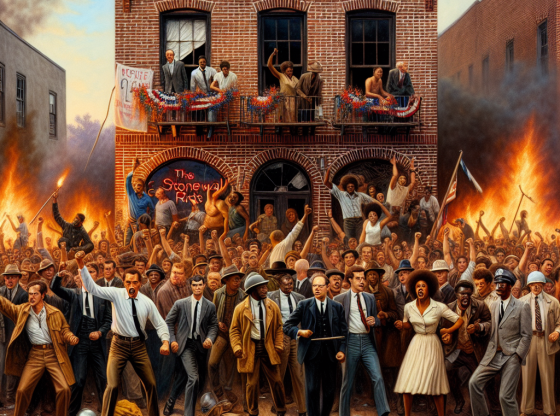
“The Bold Rebellion: Unveiling the Passion of the Stonewall Riots and its Fierce Activists” explores the pivotal events of June 1969, when a routine police raid at the Stonewall Inn in New York City ignited a fierce uprising among the LGBTQ+ community. This introduction delves into the socio-political climate of the era, highlighting the struggles against systemic discrimination and the quest for visibility and rights. The book pays tribute to the courageous activists who emerged from the chaos, showcasing their relentless fight for equality and justice. Through vivid narratives and personal accounts, it reveals how the Stonewall Riots became a catalyst for the modern LGBTQ+ rights movement, inspiring generations to embrace their identities and advocate for change.
The Legacy of the Stonewall Riots: A Turning Point in LGBTQ+ History
The Stonewall Riots, which erupted in the early hours of June 28, 1969, marked a transformative moment in LGBTQ+ history, igniting a passion for equality that would resonate through generations. This tumultuous event unfolded at the Stonewall Inn, a modest gay bar located in New York City’s Greenwich Village, where patrons—many of whom had faced relentless discrimination and violence—decided to stand up against systemic oppression. The riots were not merely a reaction to one unjust police raid but rather a culmination of years of frustration and resilience among a community yearning for acceptance and dignity.
As the sun set on that fateful night, tensions flared when officers entered the bar, sparking an unprecedented uprising from those who had long been marginalized. Individuals who had often felt invisible suddenly found their voices echoing through the streets, united by a fierce determination to demand recognition and respect. The riot became a symbol of defiance, with participants embodying the spirit of rebellion that many had suppressed for far too long. Their courage illuminated the dark corners of societal prejudice, challenging the status quo and inspiring others to join the fight for justice.
In the days and weeks following the riots, the fervor did not dissipate; instead, it blossomed into a vibrant movement. Activists began to organize, creating groups such as the Gay Liberation Front and later the Human Rights Campaign, which sought to advocate for LGBTQ+ rights and bring visibility to issues that had remained largely hidden. This newfound solidarity cultivated a sense of belonging within the community, transforming individual struggles into a collective narrative of empowerment. The Stonewall Riots thus served as a catalyst for activism, propelling the LGBTQ+ movement into the public consciousness and igniting a series of protests, marches, and pride events across the globe.
Moreover, the legacy of Stonewall extended beyond immediate activism; it inspired cultural shifts and fostered a sense of pride among LGBTQ+ individuals. For the first time, people began to openly celebrate their identities without fear of persecution. This burgeoning pride was manifested in various forms, including literature, art, and performance, all of which contributed to a rich tapestry of LGBTQ+ culture that flourished in the aftermath of the riots. As stories of love, struggle, and resilience emerged, they painted a vivid picture of a community that refused to be silenced.
The impact of the Stonewall Riots reverberated through time, leading to significant legal advancements such as the decriminalization of homosexuality in many parts of the United States and the eventual legalization of same-sex marriage. Each victory served as a testament to the unwavering spirit of those who fought at Stonewall, reminding us that change is possible when individuals unite for a common cause. Today, Pride Month celebrations around the world pay homage to this pivotal moment in history, honoring both the sacrifices made by past activists and the ongoing struggle for equality.
In essence, the Stonewall Riots represent more than just a historical event; they encapsulate a passionate rebellion against injustice and a quest for love and acceptance. The fierce activists who took a stand that night have left an indelible mark on society, shaping a future where authenticity can flourish. Their bravery continues to inspire new generations to embrace their identities boldly, ensuring that the flame of hope ignited at Stonewall will burn brightly for years to come.
Key Figures of the Stonewall Riots: Activists Who Changed the World
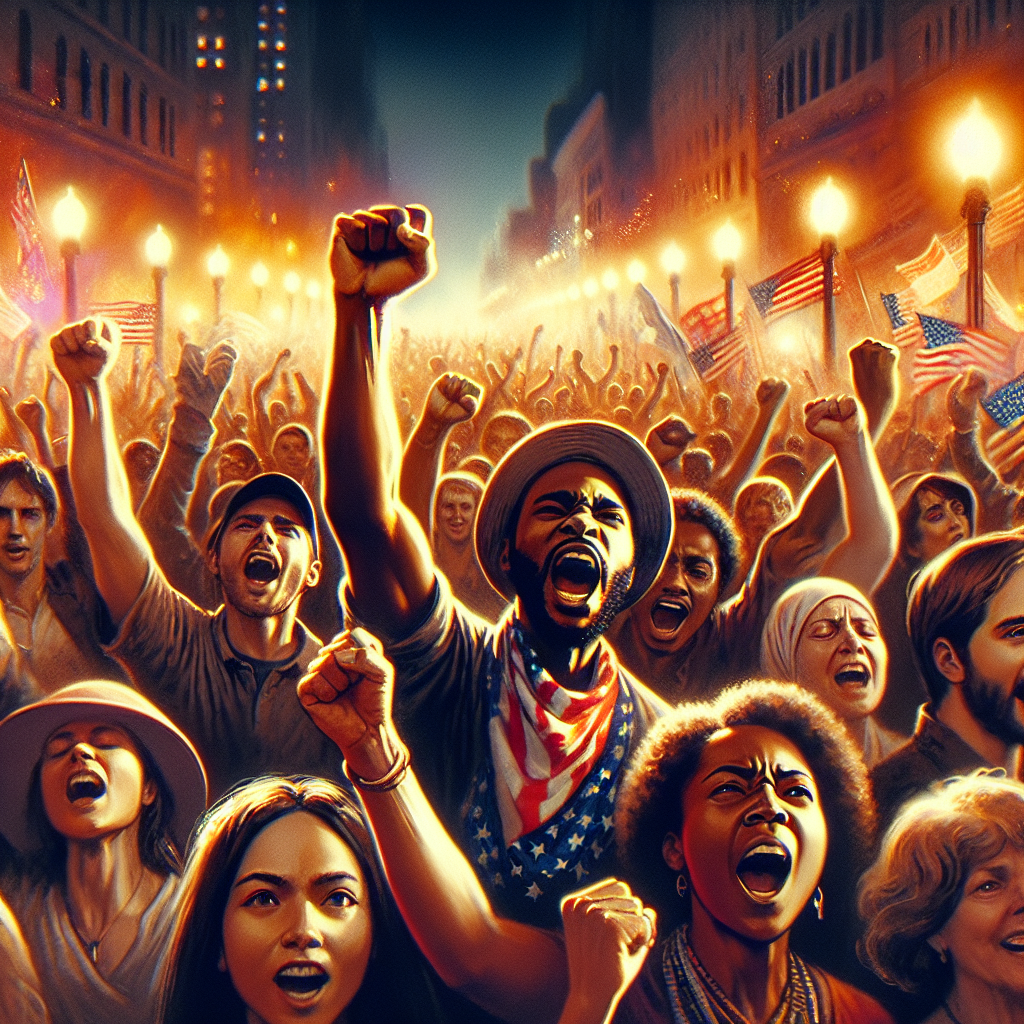
The Stonewall Riots, which erupted in June 1969, were not merely a response to police harassment; they marked the dawn of a new era for LGBTQ+ rights and activism. At the heart of this monumental uprising were a handful of fierce activists whose passion and determination ignited a movement that would change the world forever. Among these key figures was Marsha P. Johnson, a Black transgender woman whose vibrant spirit and unwavering courage became emblematic of the fight for equality. Known for her infectious laughter and striking presence, Johnson’s role as a leader during the riots cannot be overstated. She stood at the forefront, rallying others to rise against oppression, embodying both defiance and hope.
Alongside Johnson was Sylvia Rivera, a Venezuelan-American activist who shared an unbreakable bond with her friend and comrade. Together, they founded the Street Transvestite Action Revolutionaries (STAR), an organization dedicated to providing support and shelter for homeless transgender and gender non-conforming individuals. Their friendship blossomed amidst the chaos of the riots, forging a powerful alliance that transcended personal struggles and societal expectations. Rivera’s passionate speeches often echoed through the streets, urging marginalized voices to unite, reminding everyone that their existence was worthy of celebration and respect.
Another pivotal figure was Stormé DeLarverie, a butch lesbian performer whose bravery during the riots has been immortalized in LGBTQ+ history. With her commanding presence and fierce demeanor, she fought back against the police with a tenacity that inspired countless others to join the fray. DeLarverie’s resistance was not just about standing up for herself; it was about protecting her community and asserting their right to exist freely. Her story is one of resilience and strength, illustrating how individual acts of rebellion can spark collective action and ignite a movement that reverberates through time.
As we reflect on these courageous individuals, it becomes clear that their contributions extended far beyond the immediate aftermath of the Stonewall Riots. They laid the groundwork for future generations of activists, inspiring a wave of advocacy that sought to dismantle systemic injustice and champion the rights of all marginalized communities. The legacy of their work continues to resonate today, reminding us of the importance of intersectionality within the struggle for liberation.
Moreover, the impact of these trailblazers can be seen in the ongoing fight for LGBTQ+ rights across the globe. Each year, Pride events celebrate the victories won by those who dared to dream of a more inclusive society, honoring the sacrifices made by Johnson, Rivera, DeLarverie, and many others. Their stories serve as poignant reminders of the power of love, friendship, and solidarity in the face of adversity.
In conclusion, the key figures of the Stonewall Riots transformed the landscape of activism through their indomitable spirit and relentless pursuit of justice. Their bold rebellion not only challenged the status quo but also paved the way for future generations to embrace their identities unapologetically. As we continue to navigate the complexities of social justice, let us draw inspiration from these fierce activists whose passion remains a guiding light in our quest for equality, reminding us that every voice matters and that together, we can create a world where love triumphs over hate.
The Role of Intersectionality in the Stonewall Uprising
The Stonewall Uprising, a pivotal moment in LGBTQ+ history, was not merely a spontaneous reaction to police brutality; it was a multifaceted expression of resistance that illuminated the complexities of identity and community. At its core, the uprising showcased the significance of intersectionality—a concept that recognizes how various social identities intersect to shape individual experiences and struggles for justice. In this vibrant tapestry of rebellion, the voices of those often marginalized within the larger LGBTQ+ movement emerged with fierce clarity, revealing a profound narrative steeped in both passion and urgency.
As the summer night unfolded on June 28, 1969, patrons of the Stonewall Inn found themselves caught in an unexpected storm of defiance. Among them were individuals from diverse backgrounds—people of color, transgender individuals, and working-class members of the LGBTQ+ community—each carrying their own burdens of oppression. The uprising served as a crucible where these varied experiences converged, igniting a collective yearning for liberation that transcended singular narratives. It was within this convergence that the notion of intersectionality took root, illustrating how systemic injustices could not be disentangled from one another.
For many activists involved in the Stonewall Riots, their struggles were compounded by multiple layers of discrimination. For instance, Black and Latinx queer individuals faced not only homophobia but also racism and economic disenfranchisement, which shaped their realities in ways that demanded urgent attention. Their participation in the riots was not simply about resisting police violence against homosexuals; it was an assertion of their right to exist fully and authentically in a society that continuously sought to marginalize them. This complexity added depth to the uprising, marking it as a moment when the fight for LGBTQ+ rights expanded to encompass broader issues of racial and social justice.
Moreover, transgender individuals played a vital role during the Stonewall uprising, embodying a spirit of bravery that resonated through the chaos of that fateful night. Figures like Marsha P. Johnson and Sylvia Rivera stood at the forefront, challenging not only societal norms regarding gender but also pushing back against the prevailing narrative that often sidelined trans experiences. Their visibility during the riots helped illuminate the critical need for inclusion within the broader LGBTQ+ movement, ultimately leading to a more comprehensive understanding of what liberation truly meant. The passionate cries for justice echoed beyond the walls of the Stonewall Inn, reverberating through time and demanding recognition of all identities.
In reflecting upon the legacy of the Stonewall Uprising, it becomes clear that its impact extended far beyond immediate victories. The event catalyzed a deeper awareness of intersectionality within activism, prompting future generations to recognize that true equality cannot be achieved without addressing the myriad forms of oppression that coexist. As we honor the courage and fervor of those who fought at Stonewall, we are reminded that their struggle is a beautiful testament to the power of unity amidst diversity. The bold rebellion ignited that night continues to inspire activists today, urging us to confront our shared humanity while acknowledging the intricate layers of identity that define our collective journey toward justice. Thus, the spirit of Stonewall lives on—not just as a symbol of pride, but as a clarion call for inclusivity and compassion in the ongoing quest for freedom.
Commemorating the Stonewall Riots: Events and Memorials Today
As we traverse the vibrant landscape of contemporary activism, the echoes of the Stonewall Riots resonate profoundly, reminding us of a pivotal moment in history that ignited the flames of the LGBTQ+ rights movement. Today, commemorating the Stonewall Riots involves a tapestry of events and memorials that not only honor the courageous souls who dared to defy oppression but also serve as a testament to the enduring spirit of resilience within the community. Each year, cities around the globe come alive with celebrations, parades, and gatherings, all designed to reflect on the bravery exhibited during those tumultuous nights in June 1969.
In New York City, where it all began, the annual Pride Month festivities culminate in the iconic NYC Pride March. This vibrant procession winds its way through Manhattan, enveloping participants in a sea of colors and voices, each representing a unique story woven into the fabric of struggle and triumph. As individuals march side by side, their hearts beating in unison, they pay homage to the activists whose fierce determination sparked change. The atmosphere is electric, filled with joy, camaraderie, and a profound sense of purpose, as generations gather to celebrate love while remembering the sacrifices made for freedom.
Beyond the exuberance of parades, there are quieter yet equally significant ways to commemorate the Stonewall Riots. In recent years, various memorials have emerged throughout New York City, creating sacred spaces for reflection and remembrance. One notable site is the Stonewall National Monument, established in 2016, which stands as both a historical landmark and a symbol of hope. Visitors can wander through Christopher Park, where statues and plaques tell the stories of those who fought back against injustice. Here, amidst the lush greenery and bustling city life, one can almost feel the spirits of the past mingling with the present, urging us to continue the fight for equality.
Moreover, art has played an instrumental role in preserving the legacy of the Stonewall Riots. Galleries and public installations often showcase works that explore themes of identity, resistance, and love—each piece serving as a poignant reminder of the ongoing journey toward acceptance. Artists use their mediums to capture the raw emotions associated with this historic event, sparking conversations that transcend time and space. These creative expressions invite viewers to engage with the narrative of Stonewall on a deeper level, fostering understanding and empathy among diverse audiences.
Educational initiatives also play a crucial part in commemorating this monumental uprising. Workshops, lectures, and panel discussions hosted at universities and community centers help illuminate the rich history of LGBTQ+ activism. By sharing stories from survivors and historians alike, these programs seek to inspire younger generations to carry forward the torch of advocacy. It becomes clear that the passion ignited during those fateful days at the Stonewall Inn continues to burn brightly, fueling movements for justice and equality worldwide.
As we reflect on the events surrounding the Stonewall Riots, it is evident that commemoration goes beyond mere remembrance; it embodies a collective commitment to progress. Through marches, memorials, artistic expression, and education, we honor the courage of those who stood up against tyranny and paved the way for future generations. Their legacy lives on in every act of defiance against discrimination and every celebration of love in its myriad forms. Thus, as we gather to remember, we not only pay tribute to the past but also reaffirm our dedication to a future where everyone can live authentically and freely.
Conclusion
The Bold Rebellion: Unveiling the Passion of the Stonewall Riots and its Fierce Activists highlights the transformative impact of the Stonewall Riots on the LGBTQ+ rights movement. It underscores the bravery and resilience of activists who stood against oppression, igniting a global struggle for equality and justice. The events at Stonewall not only catalyzed a powerful social movement but also fostered a sense of identity and community among marginalized individuals. Ultimately, this rebellion serves as a testament to the enduring fight for human rights and the ongoing quest for acceptance and dignity within society.