
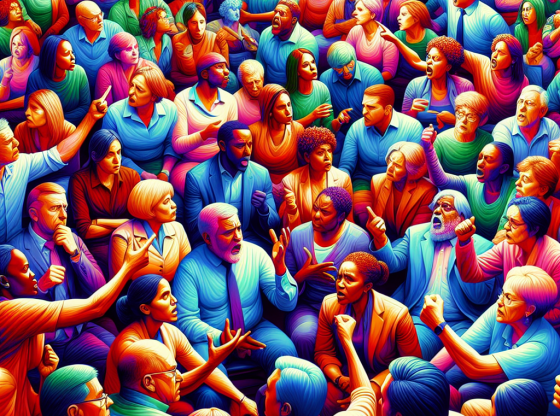
Exploring the Allure of Respectability Politics: Unveiling Desires in Color delves into the complex interplay between societal expectations and individual identities within marginalized communities. This examination highlights how respectability politics, often rooted in the desire for acceptance and validation, shapes the behaviors, aspirations, and expressions of those who navigate the intersection of race, class, and gender. By critically analyzing the allure of conforming to dominant cultural norms, this exploration seeks to unveil the nuanced desires that drive individuals to seek recognition and legitimacy, while also interrogating the implications of such pursuits on authentic self-expression and community solidarity. Ultimately, it invites readers to reflect on the costs and benefits of respectability politics in the ongoing struggle for social justice and equity.
The Intersection of Race and Respectability Politics
In the intricate tapestry of society, where identities intertwine and narratives collide, the concept of respectability politics emerges as a fascinating yet complex phenomenon. At its core, respectability politics revolves around the idea that marginalized communities can gain acceptance and validation by adhering to societal norms often dictated by those in power. This dynamic is particularly pronounced at the intersection of race, where individuals from various ethnic backgrounds navigate the delicate balance between cultural authenticity and the desire for social approval. As we delve into this intricate web, we uncover not just the strategies employed but also the deep-seated desires that drive these choices.
For many within marginalized racial groups, the allure of respectability politics lies in the promise of recognition and belonging. The yearning for acceptance becomes palpable as individuals strive to present themselves in ways that align with mainstream ideals of propriety. This pursuit often manifests in various aspects of life—how one dresses, speaks, or conducts oneself in public spaces. While some may argue that conforming to such standards dilutes cultural identity, others view it as a pragmatic approach to navigating a world rife with prejudice and discrimination. Thus, the dance between maintaining one’s authentic self and seeking societal validation unfolds in myriad forms, reflecting both personal aspirations and collective experiences.
Moreover, the implications of respectability politics extend beyond individual choices; they ripple through entire communities. When members of a racial group adopt behaviors deemed respectable, they often do so with the hope of reshaping perceptions held by outsiders. This desire to counteract negative stereotypes is both noble and fraught with challenges. For instance, individuals who embody respectability may inadvertently reinforce existing hierarchies within their own communities, creating divisions based on adherence to these norms. Consequently, while some find empowerment in this navigation, others may feel marginalized for failing to meet these imposed standards. Such dynamics reveal the bittersweet nature of respectability politics, where the quest for dignity can lead to internal conflict and exclusion.
As we explore further, it becomes evident that respectability politics often intersects with broader socio-political movements. Activists and leaders within marginalized communities frequently grapple with the tension between advocating for systemic change and promoting respectability as a means of gaining legitimacy. In moments of heightened social unrest, the call for respectability may clash with radical expressions of resistance, illuminating the complexities inherent in striving for justice. Herein lies a romantic notion: the belief that true liberation transcends mere conformity and embraces the full spectrum of human experience. Indeed, the path toward equality cannot be paved solely by adhering to established norms; it must also celebrate the richness of diverse identities and lived realities.
Ultimately, the interplay between race and respectability politics invites us to reflect deeply on our own desires and aspirations. It challenges us to consider how societal expectations shape our understanding of worthiness and belonging. In this exploration, we uncover not only the struggles faced by individuals but also their resilience and creativity in redefining what it means to be respected. As we continue to engage with these themes, we are reminded that the journey toward acceptance is both personal and communal, filled with nuances that enrich our shared narrative. Through this lens, we begin to appreciate that respectability politics, while complex, serves as a poignant reminder of the enduring human desire for connection and affirmation amid a world often marked by division.
Challenging Norms: The Impact of Respectability on Marginalized Communities
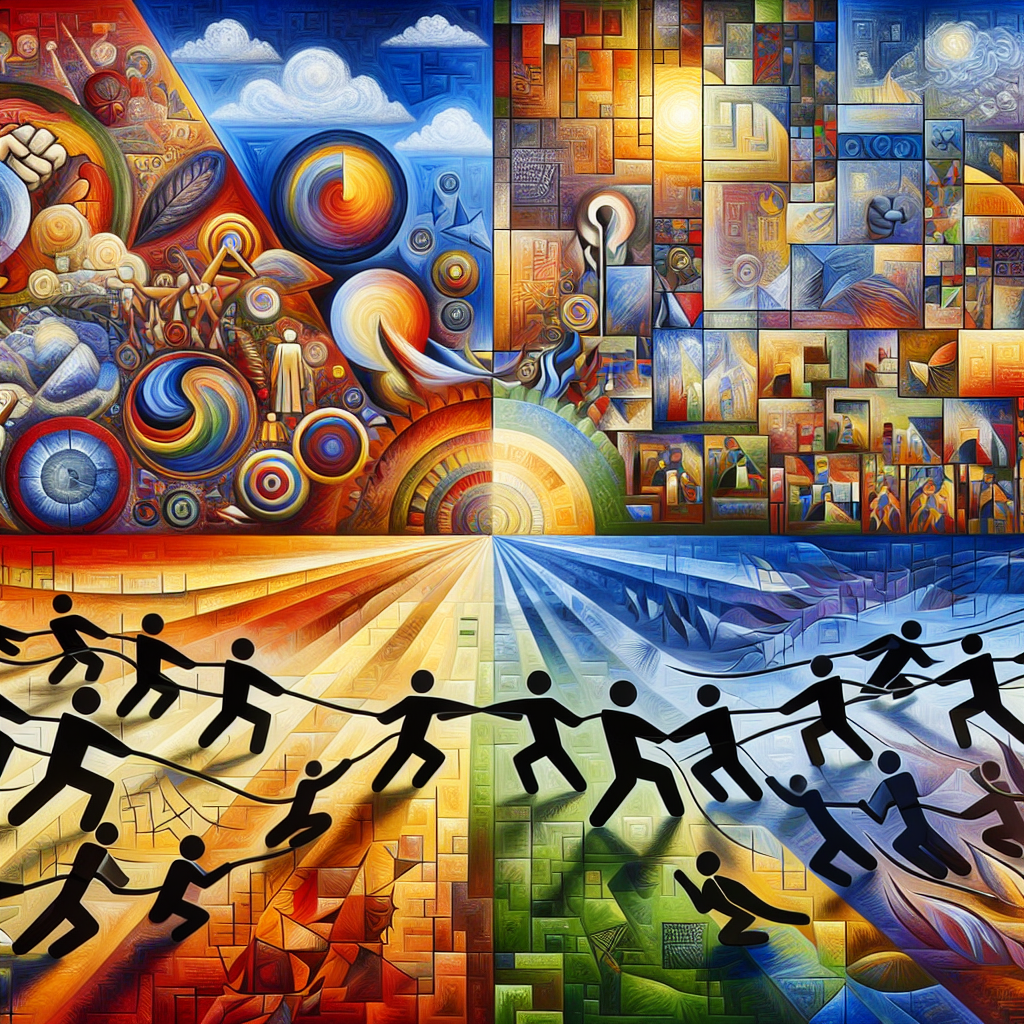
In a world where societal expectations often dictate behavior and identity, the concept of respectability politics emerges as both a refuge and a prison for marginalized communities. It is an intricate dance between conforming to mainstream ideals and asserting one’s authentic self. This duality creates a complex landscape where desires are not merely personal but deeply entwined with cultural narratives and historical contexts. As we delve into this phenomenon, we uncover how respectability politics can simultaneously empower and constrain, shaping the lives of those who navigate its waters.
At its core, respectability politics seeks to elevate the status of marginalized groups by encouraging adherence to conventional norms. This effort is often rooted in a desire for acceptance and recognition from the broader society, which has historically marginalized these communities based on race, gender, sexuality, and socioeconomic status. However, while striving for respectability may yield short-term gains in social capital or visibility, it also risks erasing the rich tapestry of identities that exist within these groups. The pressure to conform can lead individuals to suppress aspects of their true selves, yearning instead for validation through the lens of dominant culture.
As we consider the impact of respectability on marginalized communities, it becomes evident that this dynamic is laden with contradictions. On one hand, individuals may find solace in adopting behaviors deemed respectable; they may dress, speak, and act in ways that align with societal expectations, believing that such conformity will afford them greater opportunities. Yet, this pursuit often comes at a significant cost. The very act of striving for respectability can alienate those who do not fit neatly within prescribed molds, creating rifts within communities that ought to stand united. In this way, respectability politics can inadvertently perpetuate hierarchies of privilege even among those who share similar struggles.
Moreover, the allure of respectability is complicated by the intersectionality of identities. For instance, a Black woman navigating respectability politics must contend not only with racial stereotypes but also with gendered expectations that dictate how she should present herself to be deemed acceptable. Similarly, queer individuals may grapple with the tension between living authentically and adhering to heteronormative standards that demand conformity. These layers of complexity reveal that the quest for respectability is not simply about individual choices; it is also about the collective experiences shaped by systemic inequalities.
However, within this challenging terrain lies the potential for resistance and reclamation. Many marginalized individuals have begun to redefine what respectability means, embracing authenticity over conformity. By celebrating diverse expressions of identity—whether through art, activism, or everyday life—they challenge the notion that worthiness is contingent upon fitting into narrow definitions of acceptability. This shift encourages a broader understanding of respectability, one that honors the unique narratives of all community members rather than privileging a select few.
Ultimately, the interplay between respectability politics and marginalized communities invites us to reflect on our own desires and aspirations. As we peel back the layers of expectation and judgment, we come to understand that true empowerment lies not in seeking approval from an often-unforgiving society but in cultivating spaces where every voice is valued. In doing so, we embrace a vision of belonging that transcends mere acceptance; it becomes a celebration of diversity in all its forms—a romantic endeavor that unites us in our shared humanity.
Desire and Identity: Navigating the Complexities of Respectability
In the intricate dance of identity and desire, respectability politics emerges as a captivating yet complex force. This phenomenon, often rooted in societal expectations, compels individuals to navigate their identities through a lens tinted by cultural norms and values. The allure of respectability lies not only in its promise of acceptance but also in the deep-seated yearning for belonging that resonates within marginalized communities. As individuals strive to meet these standards, they often find themselves caught between the authenticity of their desires and the pressures to conform.
The journey toward respectability is laden with contradictions, revealing the multifaceted nature of identity. For many, the desire to be seen as respectable can stem from a profound longing for validation. This quest can manifest in various ways, from adopting specific styles of dress to altering speech patterns, all in an effort to align with perceived ideals of success and propriety. However, this pursuit raises critical questions about who defines respectability and at what cost it comes. While some may view adherence to these norms as a pathway to empowerment, others experience it as a form of erasure, where personal narratives are overshadowed by rigid expectations.
As we delve deeper into the interplay between desire and identity, it becomes evident that respectability politics is not merely a set of rules; it is also a reflection of aspirations and dreams. Individuals often grapple with conflicting desires: the wish to express their true selves while simultaneously seeking acceptance within broader society. This dichotomy can create a tension that colors interactions and relationships, leading to feelings of alienation or inadequacy when one’s lived experiences do not align with socially constructed ideals.
Moreover, the influence of intersectionality cannot be overlooked in this exploration. Identity is rarely monolithic; instead, it is shaped by an array of factors including race, gender, sexuality, and socioeconomic status. Each layer adds complexity to how respectability is perceived and enacted. For instance, a Black woman navigating her professional landscape may encounter different expectations than her white counterparts, compelling her to adapt her presentation to fit within narrow definitions of professionalism. In doing so, she confronts the challenge of maintaining her authentic self while striving for recognition and respect.
Transitioning from the personal to the collective, the role of community becomes paramount in shaping perceptions of respectability. Communities often establish their own codes of conduct that reflect shared values and histories, creating spaces where members can both uphold and challenge traditional notions of respectability. In these environments, individuals may find solace in expressing their desires freely, fostering connections that celebrate diversity rather than conformity. Such communal bonds can empower individuals to reclaim narratives that have been historically marginalized, allowing them to redefine what respectability means on their terms.
Ultimately, the allure of respectability politics lies in its duality—it serves as both a barrier and a bridge. It presents obstacles to those whose identities diverge from conventional norms while simultaneously offering pathways for dialogue and understanding. By engaging with these complexities, individuals can uncover the richness of their desires, embracing both their uniqueness and their humanity. In this ongoing negotiation between desire and identity, there exists a profound potential for transformation, inviting us all to reconsider what it truly means to be respected and accepted in a world that often seeks to categorize and confine. Through this lens, respectability politics transcends mere social constructs, becoming a canvas upon which the vibrant hues of identity and aspiration are painted anew.
Media Representation: How Respectability Politics Shapes Perception in Color
In the intricate tapestry of media representation, respectability politics emerges as a compelling thread that weaves together perceptions of race, identity, and societal acceptance. This nuanced phenomenon not only shapes how communities of color are portrayed but also influences the desires and aspirations of individuals within those communities. As viewers engage with various forms of media, they encounter an array of narratives that either reinforce or challenge prevailing stereotypes, ultimately impacting their self-perception and societal standing.
At its core, respectability politics revolves around the notion that marginalized groups must conform to dominant cultural norms in order to gain acceptance and respect. This often translates into a demand for “acceptable” behavior, appearance, and lifestyle choices that align with mainstream ideals. Consequently, media representations frequently reflect these expectations, presenting sanitized images of people of color who embody traits deemed respectable—such as professionalism, education, and family values. In doing so, these portrayals create a narrow framework through which audiences come to understand complex identities, reducing rich cultural tapestries to mere caricatures of conformity.
As one delves deeper into the realm of media representation, it becomes evident that the allure of respectability politics is both seductive and perilous. On one hand, individuals from marginalized backgrounds may feel compelled to embrace these ideals as a means of navigating a world rife with prejudice. By aligning themselves with the attributes celebrated by mainstream society, they seek validation and recognition, yearning for a sense of belonging that has historically eluded them. Yet, this pursuit often comes at a cost; it can lead to internalized oppression, where individuals begin to distance themselves from their authentic selves in favor of an image that resonates with societal expectations.
The romanticism embedded in this struggle is palpable. The desire for acceptance and love fuels a longing for visibility and acknowledgment. However, when media representations prioritize respectability over authenticity, they risk perpetuating harmful stereotypes that confine people of color to predetermined roles. For instance, the portrayal of successful Black professionals in film and television often emphasizes their “exceptionalism,” suggesting that only a select few can rise above systemic barriers. This narrative not only diminishes the collective struggles faced by entire communities but also enforces the idea that worthiness is contingent upon adherence to white-centric standards.
Moreover, the impact of respectability politics extends beyond individual identity; it shapes broader societal attitudes towards race and culture. When media outlets consistently highlight stories that fit within the confines of respectability, they inadvertently reinforce existing power dynamics. Audiences become conditioned to view certain behaviors as acceptable while others are stigmatized, creating a hierarchy of desirability that marginalizes those who do not conform. Thus, the cycle continues, as new generations grapple with the same pressures, caught in a dance between authenticity and acceptance.
Yet, amidst this complexity lies a growing movement challenging the constraints imposed by respectability politics. Artists and activists are increasingly reclaiming their narratives, embracing the richness of their experiences without apology. They celebrate diversity in all its forms, pushing back against the notion that respectability should dictate worthiness. In doing so, they invite audiences to reconsider their perceptions, fostering a more inclusive understanding of identity that transcends simplistic binaries.
Ultimately, the exploration of respectability politics in media representation reveals a landscape fraught with tension yet brimming with potential for transformation. As society evolves, so too does the conversation surrounding identity and representation, encouraging a reimagining of what it means to be seen and valued in all shades of color. Through this lens, we can uncover deeper truths about ourselves and each other, paving the way for a future where every narrative is honored, celebrated, and embraced.
Conclusion
Exploring the allure of respectability politics reveals the complex interplay between societal expectations and individual desires, particularly within marginalized communities. By examining how respectability is often tied to race, class, and gender, we uncover the motivations behind conforming to dominant norms in pursuit of acceptance and legitimacy. Ultimately, this exploration highlights both the empowering and limiting aspects of respectability politics, emphasizing the need for a nuanced understanding of identity that embraces authenticity over conformity.