

“The Seductive Shadows of Gynecology: Unveiling the Dark Legacy of J. Marion Sims” explores the controversial legacy of J. Marion Sims, often referred to as the father of modern gynecology. This introduction delves into his pioneering surgical techniques and the ethical implications surrounding his practices, particularly concerning enslaved women. It examines how Sims’s contributions to medicine were overshadowed by the moral complexities of his methods, raising critical questions about consent, race, and the historical treatment of women’s health issues. Through a nuanced analysis, the work seeks to illuminate the darker aspects of medical progress and challenge the glorified narratives that have long surrounded this pivotal figure in gynecological history.
The Controversial Legacy of J. Marion Sims
In the realm of medical history, few figures evoke as much intrigue and controversy as J. Marion Sims, often hailed as the father of modern gynecology. His legacy is a tapestry woven with threads of innovation, ambition, and ethical dilemmas that cast long shadows over his contributions to women’s health. Born in 1813, Sims was driven by an insatiable curiosity and a profound desire to alleviate suffering. However, the methods he employed to achieve his groundbreaking advancements in surgical techniques reveal a darker narrative, one that raises questions about morality and the value placed on human life.
Sims’ most notable contribution was the development of the vesicovaginal fistula repair, a procedure that transformed the lives of countless women afflicted by this devastating condition. Yet, this remarkable achievement came at an immense cost. To perfect his surgical technique, Sims conducted experiments on enslaved Black women without anesthesia—a fact that starkly contrasts with the benevolent image often painted of him. These women, subjected to agonizing procedures in the name of progress, became mere subjects in what could be described as a tragic quest for medical advancement. Their suffering has been largely overlooked in historical narratives, leading to a romanticized portrayal of Sims that fails to confront the unsettling realities of his practices.
As we delve deeper into Sims’ legacy, it becomes clear that the allure of his achievements is intertwined with the painful truths of exploitation and racial injustice. The very foundations of modern gynecology were built upon the backs of those who had no agency or voice in their treatment. This paradox invites us to reflect on the complexities of medical progress—how it can emerge from both compassion and cruelty. While Sims may have paved the way for vital advancements in women’s health, it is essential to acknowledge the humanity stripped away from those who suffered in silence during his experiments.
Moreover, the implications of Sims’ work extend far beyond the confines of his time. The historical context surrounding his practices sheds light on broader themes of power dynamics in medicine, particularly regarding marginalized communities. The echoes of his actions resonate today, prompting discussions about ethics in research and the importance of informed consent. In an era where medical professionals strive to prioritize patient autonomy and dignity, the lessons drawn from Sims’ legacy serve as a poignant reminder of the need for vigilance against repeating past mistakes.
As we navigate the seductive shadows cast by J. Marion Sims, we are compelled to reconcile his contributions with the moral complexities they embody. It is a delicate dance between honoring the strides made in gynecology while acknowledging the pain endured by those who were sacrificed along the way. By confronting this duality, we not only pay homage to the resilience of women who suffered under Sims’ scalpel but also commit ourselves to fostering a more equitable healthcare landscape.
In conclusion, the controversial legacy of J. Marion Sims beckons us to explore the intricate interplay between innovation and ethics. His story unfolds like a haunting melody—beautiful yet tragic—reminding us that progress must never come at the expense of humanity. As we move forward in our understanding of women’s health, let us carry forth both the lessons learned and the voices once silenced, ensuring that the shadows of the past illuminate a brighter future for all.
Ethical Implications in Gynecological Practices
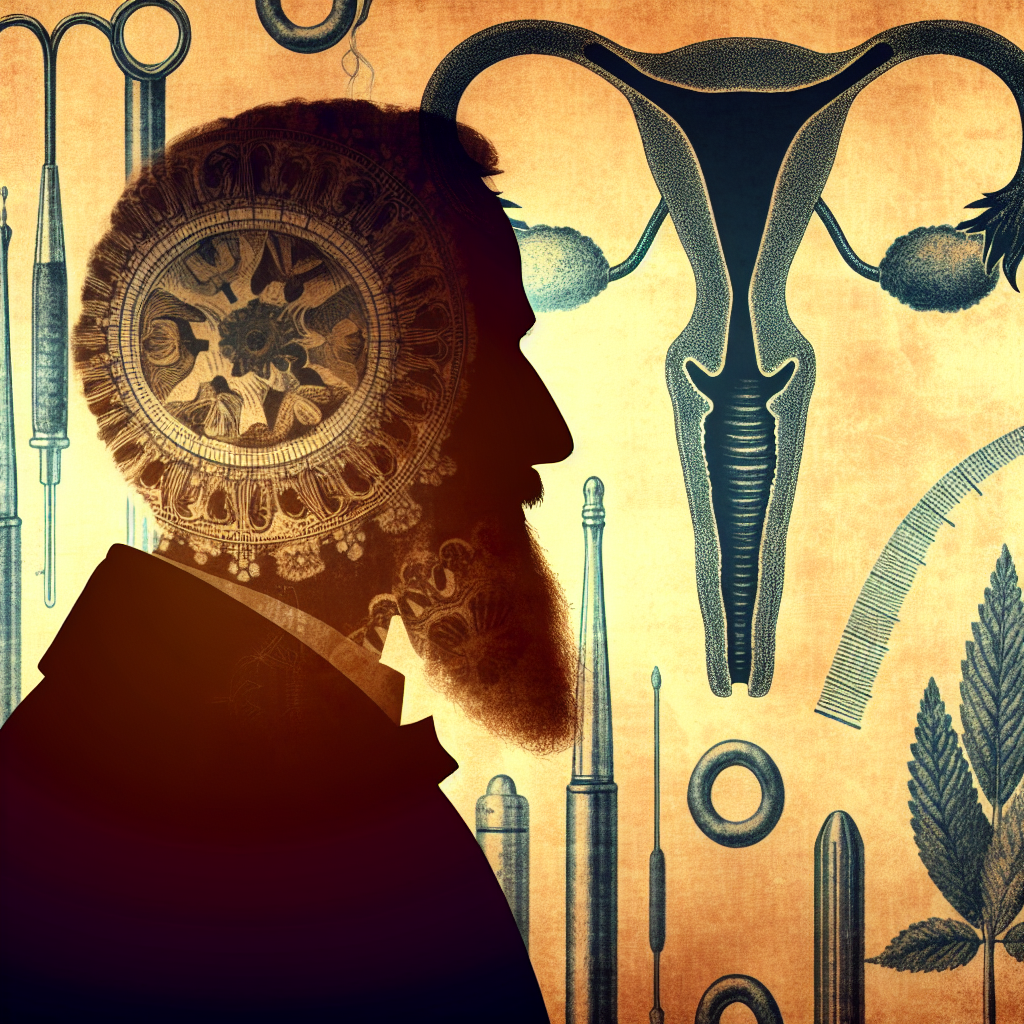
In the delicate realm of gynecology, where the complexities of women’s health intertwine with societal perceptions, the legacy of J. Marion Sims looms large, casting a shadow that invites both admiration and critical reflection. As we delve into the ethical implications of his practices, we uncover a narrative steeped in contradiction—a tale woven from threads of innovation and moral ambiguity. The very foundations of modern gynecological techniques owe much to Sims, who is often heralded as the father of gynecology for his pioneering work on surgical procedures related to female reproductive health. Yet, it is within this reverence that we must confront the darker aspects of his legacy, revealing a tapestry rich in ethical dilemmas.
Sims’ groundbreaking contributions emerged during a time when medical science was still finding its footing, yet his methods were marred by deeply troubling ethical considerations. His infamous experiments on enslaved African American women, conducted without anesthesia or consent, raise profound questions about the morality of progress achieved at such a staggering human cost. These women, subjected to painful surgeries, were not merely subjects of study; they became silent witnesses to a system that prioritized scientific advancement over their autonomy and well-being. In reflecting upon these actions, we find ourselves grappling with a disquieting truth: the seductive allure of medical innovation can sometimes obscure the fundamental rights of those it seeks to heal.
As we navigate through the corridors of history, it becomes evident that Sims’ practices have left an indelible mark on the field of gynecology. While he introduced revolutionary techniques that improved surgical outcomes, the ethical implications surrounding his methods serve as a stark reminder of the need for compassion and respect in medical practice. This dichotomy between achievement and ethical responsibility invites us to reconsider how we honor historical figures whose legacies are complicated by their choices. The romantic notion of the tireless inventor must be tempered with an acknowledgment of the humanity that underpins every patient-physician interaction.
Moreover, the shadows cast by Sims extend beyond his lifetime, permeating contemporary discussions around informed consent and equity in healthcare. In today’s world, where awareness and advocacy for patients’ rights have gained prominence, it is crucial to reflect on the lessons learned from the past. The plight of those early subjects compels us to advocate for transparency and ethical rigor in medical research and practice. It urges us to ensure that no patient—regardless of race, class, or gender—should ever feel diminished or dehumanized in the pursuit of knowledge.
Thus, as we unravel the seductive shadows of gynecology, we arrive at a pivotal juncture. The story of J. Marion Sims serves as both a cautionary tale and a call to action. It encourages us to embrace a future where medical advancements do not come at the expense of dignity or ethics. By honoring the voices of those who suffered in silence, we can foster a more just and compassionate approach to women’s health. Ultimately, it is our collective responsibility to ensure that the legacy we build from the past honors the humanity of all individuals, transforming the seductive whispers of history into a harmonious dialogue that celebrates progress while steadfastly upholding ethical integrity.
The Impact of Race on Medical History
In the annals of medical history, the story of J. Marion Sims is often framed within the context of innovation and progress. However, a deeper examination reveals a narrative steeped in complexity, particularly when it comes to the impact of race on his practices and legacy. As we delve into this seductive shadowland, we uncover not only the brilliance of surgical advancement but also the haunting echoes of exploitation that reverberate through time.
Sims, often heralded as the father of gynecology, made significant contributions to the understanding and treatment of obstetric fistulas, conditions that afflicted many women, especially those who were marginalized by society. Yet, the very foundation of his pioneering work was laid upon the backs of enslaved Black women, whose bodies became both his canvases and subjects of experimentation without consent. This unsettling reality invites us to reflect on how racial dynamics shaped the landscape of medical advancements during the 19th century.
As we explore this dark legacy, we recognize that the relationship between race and medicine has long been fraught with tension. The exploitation of Black bodies for research and education is not merely a relic of the past; it serves as a poignant reminder of systemic inequalities that persist today. In Sims’s pursuit of knowledge, he ignored the fundamental ethical considerations surrounding human dignity and autonomy. His patients, stripped of their rights and identities, were rendered invisible, mere instruments in the quest for medical enlightenment.
Moreover, the implications of Sims’s work extend far beyond the operating room. They permeate the very fabric of gynecological practice, shaping perceptions and policies that would follow. The normalization of using marginalized populations as test subjects has bred distrust among communities of color towards the medical establishment—a sentiment that still lingers in contemporary healthcare settings. Thus, while Sims may have advanced surgical techniques, he simultaneously sowed seeds of skepticism that would take generations to address.
Transitioning from historical analysis to present-day implications, one cannot help but ponder the ongoing struggles faced by women of color in accessing equitable healthcare. The shadows cast by figures like Sims illuminate the urgent need for reform in medical ethics and practices. Today, there is an increasing awareness of the necessity for informed consent, cultural competency, and sensitivity towards diverse patient backgrounds. These discussions are vital as they aim to dismantle the remnants of a legacy built on exploitation.
Furthermore, as we navigate this complex terrain, it becomes imperative to honor the stories of those who suffered in silence. The voices of enslaved women, who endured unimaginable pain for the sake of medical progress, deserve recognition and remembrance. By shedding light on their experiences, we can begin to reconcile the past with our present and pave the way for a more just future in healthcare.
In conclusion, the seductive shadows of gynecology remind us that every leap forward in medicine must be scrutinized through the lens of ethics and humanity. J. Marion Sims’s legacy serves as both a cautionary tale and a call to action. As we strive for excellence in medical practice, we must remain vigilant against the allure of progress that overlooks the dignity of all individuals—especially those historically relegated to the margins. Only then can we hope to emerge from these shadows into a brighter, more inclusive dawn.
Reexamining Women’s Health Through a Historical Lens
In the realm of women’s health, history often casts a long shadow, and within that shadow lies the figure of J. Marion Sims, a name both revered and reviled in the annals of gynecology. To understand the complexities of his legacy, one must embark on a journey through time, revisiting the narratives that have shaped our perceptions of women’s health care. This exploration is not merely an academic exercise; it is a heartfelt endeavor to uncover the truths buried beneath layers of historical adulation and contemporary critique.
As we delve into the 19th century, we find ourselves in a world where women’s bodies were shrouded in mystery and misunderstanding. The medical community, predominantly male and often dismissive of female experiences, viewed women primarily as vessels for reproduction. In this context, Sims emerged as a pioneering surgeon who sought to address the dire conditions faced by women suffering from obstetric fistulas—devastating injuries resulting from prolonged childbirth. His surgical innovations undeniably advanced the field of gynecology, yet these contributions were marred by the ethical implications surrounding their inception.
Indeed, the very fabric of Sims’ work was woven with threads of exploitation. To perfect his techniques, he conducted surgeries on enslaved Black women without anesthesia, viewing them not as individuals but rather as subjects in a clinical experiment. This chilling reality invites us to reconsider the narrative of progress that has traditionally surrounded his legacy. As we reflect on these events through a modern lens, we are compelled to confront uncomfortable truths about consent, autonomy, and the intersectionality of race and gender in medical history.
Transitioning from the past to the present, we recognize that the shadows cast by Sims’ actions continue to loom over contemporary discussions regarding women’s health. Today, many advocates strive for a more inclusive and equitable approach to healthcare, emphasizing the importance of listening to women’s voices and respecting their choices. This evolution in thought reflects a broader societal shift towards recognizing the rights and dignity of all individuals, particularly those historically marginalized in medical discourse.
Moreover, as we reexamine women’s health through this historical lens, we begin to appreciate the resilience and strength of those who suffered under oppressive systems. Their stories serve as poignant reminders that the pursuit of knowledge should never come at the expense of humanity. In acknowledging the pain inflicted by figures like Sims, we can honor the memory of those who endured suffering in silence, transforming their legacies into catalysts for change.
In conclusion, the seductive allure of gynecology is intertwined with a complex tapestry of triumphs and tribulations. By unpacking the dark legacy of J. Marion Sims, we not only illuminate the harsh realities of medical history but also pave the way for a future rooted in compassion and understanding. As we move forward, let us carry with us the lessons learned from the past, ensuring that the shadows do not obscure our vision but instead guide us toward a more just and equitable landscape for women’s health. In embracing this holistic perspective, we celebrate not only the advancements made but also commit ourselves to honoring the lives and stories that have been woven into this intricate narrative.
Conclusion
The Seductive Shadows of Gynecology: Unveiling the Dark Legacy of J. Marion Sims highlights the complex and troubling history of gynecology, particularly through the controversial practices of J. Marion Sims. While his contributions to the field are significant, they are inextricably linked to ethical violations and exploitation of marginalized women, particularly enslaved African American women. The examination reveals the need for a critical reassessment of medical history, emphasizing the importance of ethical standards and informed consent in contemporary medical practice. Ultimately, this narrative serves as a reminder of the dark legacies that can accompany medical advancements and the ongoing responsibility to address historical injustices within healthcare systems.