

Navigating Desire: Embracing and Supporting Gender Non-Conforming Youth in Family Dynamics explores the intricate relationship between gender identity and family structures, highlighting the unique challenges faced by gender non-conforming youth. This introduction sets the stage for understanding how families can become supportive environments that affirm their children’s identities. It emphasizes the importance of open communication, education, and acceptance within family dynamics, advocating for a shift towards inclusivity and understanding. By recognizing the diverse expressions of gender and the emotional landscapes these youth navigate, this work aims to empower families to embrace their children’s authentic selves while fostering resilience and self-acceptance.
Understanding Gender Non-Conformity in Youth
In a world that often clings to rigid definitions of gender, the journey of understanding gender non-conformity in youth becomes an essential endeavor. Gender non-conforming youth are those who express their identities in ways that diverge from traditional expectations associated with their assigned genders at birth. This divergence can manifest through clothing choices, interests, behaviors, or self-identification. As society gradually opens its arms to embrace this spectrum of identity, it is crucial for families to cultivate an environment where these young individuals feel seen and supported.
At the heart of understanding gender non-conformity lies a recognition of the fluid nature of gender itself. Rather than viewing gender as a binary construct, families can benefit from perceiving it as a rich tapestry woven from diverse threads of expression and identity. By acknowledging that each individual’s experience of gender is unique, families can foster empathy and compassion, creating spaces where conversations around identity become not just possible but celebrated. This shift in perspective allows families to move away from preconceived notions and instead engage with their youth on a more personal level, inviting them to share their truths without fear of judgment.
Moreover, embracing gender non-conformity requires active listening—a skill that can deepen familial bonds and enhance mutual understanding. When parents and guardians approach discussions about gender with open hearts and minds, they create an atmosphere ripe for exploration and authenticity. It is vital for families to ask questions and seek clarification rather than making assumptions. For instance, when a child expresses a desire to wear clothing typically associated with another gender or identifies differently than expected, taking the time to understand their feelings can be transformative. Such dialogue not only affirms the child’s experiences but also reinforces their sense of belonging within the family unit.
As families navigate this landscape, it is equally important to recognize the societal pressures that may impact gender non-conforming youth. Outside influences—ranging from peers to media representations—can shape how these young individuals perceive themselves and their place in the world. Consequently, families must remain vigilant against negative stereotypes and biases that could undermine their children’s confidence and self-worth. Encouraging resilience through positive reinforcement and affirming language can empower youth to embrace their authentic selves despite external challenges.
Furthermore, education plays a pivotal role in supporting gender non-conforming youth. Families can take proactive steps by seeking resources that provide insights into gender diversity, such as books, workshops, or community organizations dedicated to advocacy and support. By equipping themselves with knowledge, families can better advocate for their children in various settings—be it schools, healthcare environments, or social circles. In doing so, they not only protect their youth but also contribute to a broader cultural shift towards acceptance and understanding.
Ultimately, embracing and supporting gender non-conforming youth within family dynamics is a journey steeped in love and commitment. It invites families to expand their definitions of what it means to belong and to cherish the individuality of each member. As families learn to navigate desire and identity together, they forge deeper connections rooted in authenticity and respect. Through patience, openness, and unwavering support, they can nurture an environment where all expressions of gender are honored, allowing each young person to flourish as their true self amidst the vibrant complexities of life.
Building Supportive Family Environments for Gender Diverse Children
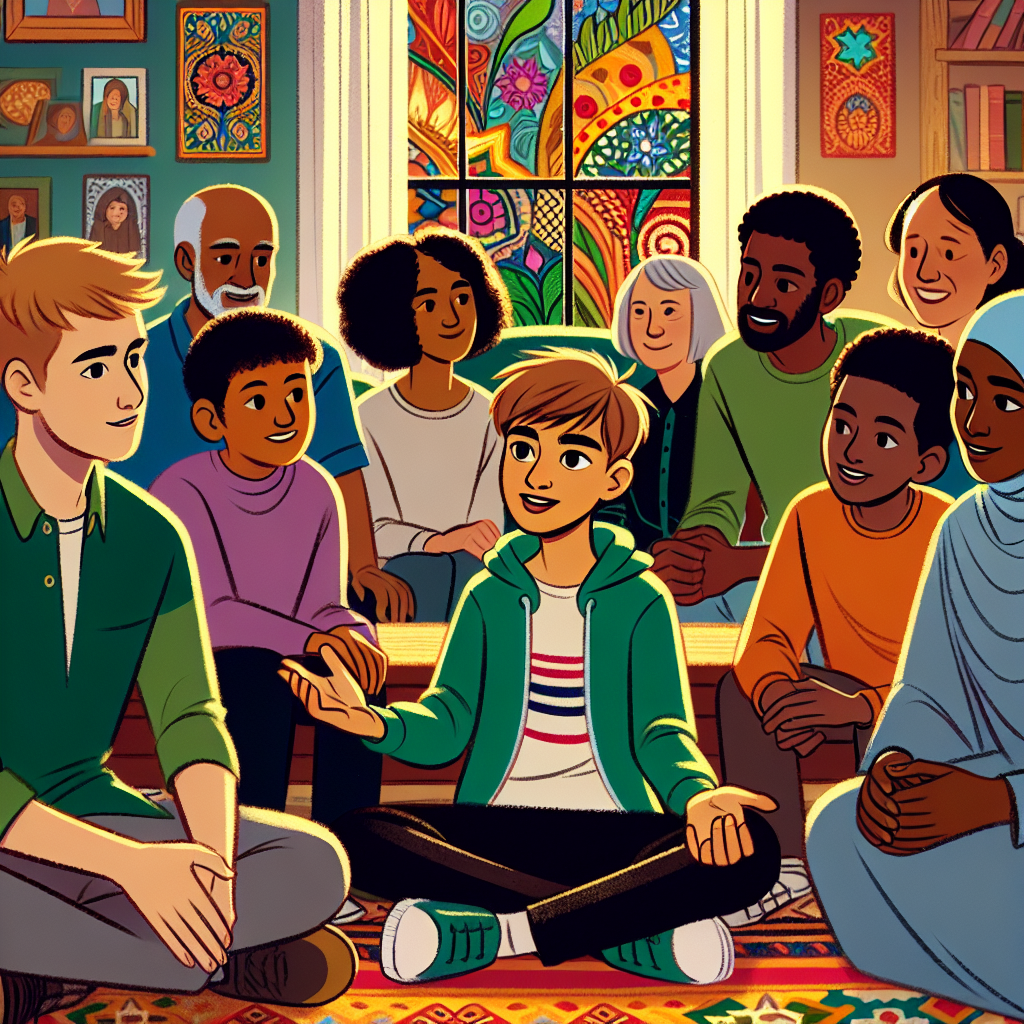
In a world that often seeks to define individuals through rigid norms and expectations, the journey of gender non-conforming youth can be both beautiful and challenging. Embracing their identities requires not only personal courage but also a nurturing environment where they feel seen, valued, and supported. To build such supportive family environments for gender diverse children, it is essential to foster open communication, unconditional love, and an understanding that celebrates individuality.
Creating a safe space begins with fostering open dialogue within the family. This means inviting conversations about gender identity and expression without judgment or preconceived notions. When parents and caregivers approach these discussions with curiosity rather than defensiveness, they signal to their children that their feelings are valid and worthy of exploration. Asking questions like “How do you feel most comfortable expressing yourself?” allows young people to articulate their experiences while reinforcing the notion that their thoughts and emotions matter deeply. This kind of engagement not only strengthens familial bonds but also empowers children to embrace their true selves.
Moreover, unconditional love serves as the foundation upon which supportive family dynamics are built. Children who identify as gender diverse often face societal pressures and discrimination, which can lead to feelings of isolation. In contrast, knowing that they have a loving home where acceptance reigns fosters resilience. Simple affirmations such as “I love you no matter what” or “You are perfect just the way you are” can create an atmosphere of safety and belonging. These words, spoken with sincerity, resonate deeply, reminding children that they are cherished for their unique contributions to the family tapestry.
As families navigate this journey together, education plays a pivotal role in understanding gender diversity. By actively seeking resources—be it books, workshops, or community groups—families can equip themselves with knowledge that demystifies gender non-conformity. This proactive approach not only enriches parental understanding but also models a lifelong commitment to learning for children. When families educate themselves, they empower their children by validating their experiences and equipping them with tools to advocate for themselves in broader contexts.
Furthermore, celebrating milestones and achievements, however small, nurtures a sense of pride in one’s identity. Whether it’s supporting a child’s choice in clothing, hairstyle, or interests, recognizing and honoring these expressions creates moments of joy and affirmation. These celebrations can take many forms—from a simple acknowledgment at dinner to more elaborate family gatherings that highlight each member’s uniqueness. Each act of recognition reinforces the idea that differences are not merely tolerated but celebrated, weaving a rich fabric of acceptance and love.
Additionally, it is crucial for families to connect with external support systems, including LGBTQ+ organizations and peer groups. Engaging with communities that share similar experiences provides valuable insights and emotional support. These connections help alleviate feelings of loneliness and isolation, offering families reassurance that they are not alone on this path.
Ultimately, navigating desire and identity for gender non-conforming youth is a collective journey marked by love, understanding, and growth. Families play an indispensable role in shaping a future where every individual feels empowered to express their authentic self. By embracing open communication, unwavering support, continuous education, and joyous celebration of diversity, families can cultivate an environment where gender diverse children flourish, transforming challenges into pathways of beauty and connection.
Effective Communication Strategies with Gender Non-Conforming Youth
Effective communication with gender non-conforming youth is a delicate dance, one that requires both sensitivity and an open heart. As families embark on this journey of understanding and acceptance, it becomes essential to cultivate an environment where these young individuals feel seen, heard, and valued for who they truly are. The path to nurturing their unique identities begins with active listening, a practice that goes beyond mere auditory engagement. It invites family members to immerse themselves in the emotions and experiences shared by their loved ones, allowing them to foster deeper connections rooted in empathy.
To create a safe space for dialogue, it is crucial to approach conversations with curiosity rather than judgment. This involves asking open-ended questions that encourage exploration, such as “How do you feel about your identity?” or “What does being yourself mean to you?” By framing inquiries in a way that prioritizes the youth’s feelings and thoughts, families can demonstrate genuine interest and respect for their individuality. In turn, this not only affirms the youth’s experience but also builds trust, paving the way for more meaningful exchanges.
Moreover, using affirming language plays a significant role in effective communication. Families should strive to adopt terminology that reflects the youth’s preferred pronouns and identity descriptors. Acknowledging and validating their choices reinforces their sense of self-worth and encourages them to express themselves authentically. For instance, if a child identifies as non-binary, consistently using their chosen name and pronouns fosters an atmosphere of acceptance and love. These small yet impactful gestures speak volumes about familial support and solidarity.
Transitioning from words to actions, families must also be mindful of body language during conversations. Non-verbal cues often convey messages just as powerfully as spoken words. Maintaining eye contact, nodding in understanding, and offering reassuring touches can signal openness and compassion. When youth sense that their family members are fully present and engaged, they are more likely to share their innermost thoughts and feelings without fear of dismissal or ridicule. Thus, cultivating a warm and inviting physical presence becomes paramount in facilitating honest discussions.
In addition to these strategies, patience remains a cornerstone of effective communication. Recognizing that navigating one’s identity can be an evolving process allows families to embrace moments of uncertainty with grace. There may be times when the youth struggles to articulate their feelings or experiences; however, providing gentle encouragement and reassurance can help bridge these gaps. Reminding them that it is okay to take their time fosters a supportive dynamic where they can explore their identity at their own pace.
Ultimately, embracing and supporting gender non-conforming youth within family dynamics hinges upon a commitment to understanding and compassion. By employing thoughtful communication strategies that prioritize active listening, affirming language, positive body language, and patience, families can cultivate a nurturing environment conducive to growth and exploration. As relationships deepen through this intentional dialogue, families not only strengthen their bonds but also empower their youth to flourish as authentic individuals. Through love and understanding, families become steadfast allies on the remarkable journey of self-discovery, illuminating paths toward acceptance and joy in every step taken together.
Advocating for Acceptance: Resources for Families of Gender Non-Conforming Individuals
In a world that is increasingly recognizing the diverse spectrum of gender identities, families play an essential role in fostering acceptance and understanding for gender non-conforming youth. As parents, guardians, or family members, it becomes imperative to seek resources that not only enlighten but also empower these young individuals to embrace their true selves. Advocating for acceptance begins with education; by familiarizing ourselves with the terminology and experiences surrounding gender non-conformity, we can create a nurturing environment where love flourishes unconditionally.
Numerous organizations are dedicated to supporting gender non-conforming youth and their families. The Human Rights Campaign (HRC), for instance, provides invaluable resources aimed at educating families about gender identity and expression. Through informative guides, webinars, and community outreach programs, HRC encourages families to engage in open conversations about gender diversity. By accessing such resources, families can learn how to navigate complex emotions while reinforcing their support for their loved ones.
Moreover, local LGBTQ+ centers often offer tailored workshops and support groups designed specifically for families. These gatherings serve as safe spaces where individuals can share their experiences, challenges, and triumphs. Engaging with others who are on similar journeys fosters a sense of belonging and reduces feelings of isolation. It reminds families that they are not alone in their quest for understanding, creating a tapestry of shared experiences that weaves them closer together.
Transitioning from education to action is vital in cultivating an accepting atmosphere. Families can participate in advocacy efforts within their communities, championing policies that protect the rights of gender non-conforming individuals. This active engagement not only uplifts the voices of those who may feel marginalized but also instills pride in youth who see their families standing alongside them. Such actions underscore the message that love transcends societal norms and expectations, paving the way for a future where everyone is celebrated for who they truly are.
Additionally, literature serves as a powerful tool in advocating for acceptance. Children’s books featuring gender non-conforming characters can spark meaningful discussions within families, allowing young readers to explore themes of identity and self-expression. Sharing stories that reflect diverse experiences nurtures empathy and understanding, encouraging children to embrace differences rather than shy away from them. This literary approach invites dialogue, creating opportunities for families to express their thoughts and feelings openly.
As technology continues to evolve, online platforms have emerged as valuable resources for families seeking guidance and connection. Websites and forums dedicated to gender non-conformity provide a wealth of information, offering insights into best practices for supporting loved ones. Social media groups can also be instrumental in connecting families with one another, allowing them to share advice and encouragement in real-time. In this digital age, the power of community extends beyond geographical boundaries, enabling families to find solidarity and strength wherever they may be.
Ultimately, embracing and supporting gender non-conforming youth requires a commitment to continuous learning and growth. Families must remain open-minded and willing to adapt as they encounter new perspectives. By actively seeking out resources, engaging with community initiatives, and fostering open dialogues, families can create an environment where love reigns supreme. In doing so, they not only advocate for their loved ones but also contribute to a more compassionate society—one that honors the beauty of diversity and celebrates each individual’s unique journey through life.
Conclusion
Navigating Desire: Embracing and Supporting Gender Non-Conforming Youth in Family Dynamics emphasizes the importance of understanding, acceptance, and active support within families. By fostering an environment where gender non-conforming youth feel safe to express their identities, families can enhance emotional well-being and resilience. This approach not only affirms the individuality of these youth but also strengthens family bonds, promoting healthier dynamics that celebrate diversity and inclusivity. Ultimately, embracing gender non-conformity within family structures leads to a more compassionate society, paving the way for greater understanding and acceptance of all identities.