

“Navigating the Shadows: Empowering Teens to Embrace Mental Health with Confidence” serves as a vital resource in addressing the often-overlooked mental health challenges faced by adolescents today. This introduction highlights the importance of fostering an open dialogue around mental health, equipping teens with the tools and knowledge they need to understand and manage their emotions. By promoting self-awareness, resilience, and a supportive community, this initiative aims to empower young individuals to confront stigma, seek help, and embrace their mental well-being with confidence. Through engaging narratives, practical strategies, and expert insights, “Navigating the Shadows” encourages teens to take charge of their mental health journey, paving the way for a brighter, more informed future.
Understanding Mental Health: Breaking the Stigma Among Teens
In a world that often feels overwhelming, the conversation surrounding mental health has begun to shift, yet many teens still find themselves wandering through shadows of stigma and misunderstanding. To truly empower young individuals, it is essential to understand the intricacies of mental health and recognize that it is not merely an abstract concept but a very real part of their lives. As we delve into this delicate subject, it becomes clear that breaking down barriers can illuminate pathways toward acceptance and healing.
At the heart of understanding mental health lies the recognition that everyone experiences emotional challenges. Just as physical health varies from person to person, so too does mental well-being. Adolescence is a time marked by profound changes—both physiological and psychological—and these transformations can lead to feelings of confusion or despair. By acknowledging that such feelings are valid and shared among peers, we can begin to dismantle the walls of stigma that have long surrounded mental health issues. When teens see others openly discussing their struggles, they may feel encouraged to voice their own concerns, fostering an environment where support flourishes.
Moreover, education plays a pivotal role in reshaping perceptions about mental health. By incorporating discussions around emotional wellness into school curricula and community programs, we create opportunities for teens to learn about the complexities of mental health in a safe space. This knowledge empowers them to differentiate between normal fluctuations in mood and more serious conditions that may require professional help. The act of learning together cultivates empathy and solidarity, forging connections among peers who might otherwise feel isolated in their experiences. In this way, understanding becomes a powerful tool against the silence that often accompanies mental distress.
As we navigate these conversations, it is vital to challenge the misconceptions that perpetuate stigma. Many teens fear being labeled or judged if they admit to struggling with mental health issues. Yet, when we refract the light onto stories of resilience and recovery, we highlight the beauty of vulnerability. Sharing personal narratives can transform the perception of mental health from one of shame to one of courage. Through storytelling, teens can see that asking for help is not a sign of weakness but rather an act of strength—a courageous step towards reclaiming their narrative.
Transitioning from awareness to action, it is crucial for communities to provide accessible resources for mental health support. Whether through school counselors, hotlines, or peer support groups, having places where teens can seek guidance without fear of judgment creates a safety net that fosters healing. Encouraging open dialogues within families further strengthens this network, allowing for authentic conversations about emotions and mental well-being at home. When parents and guardians approach these discussions with compassion and openness, they model healthy coping strategies and reinforce the notion that seeking help is both normal and necessary.
In conclusion, empowering teens to embrace their mental health with confidence begins with understanding and breaking down the stigma that surrounds it. By fostering environments rich in empathy, education, and accessibility, we can guide young individuals out of the shadows and into a realm where they feel supported and understood. Ultimately, nurturing a culture that celebrates mental wellness will enable teens to flourish, reminding them that they are not alone on this journey. Together, we can illuminate the path forward, transforming the landscape of mental health for generations to come.
Building Resilience: Strategies for Teens to Cope with Stress
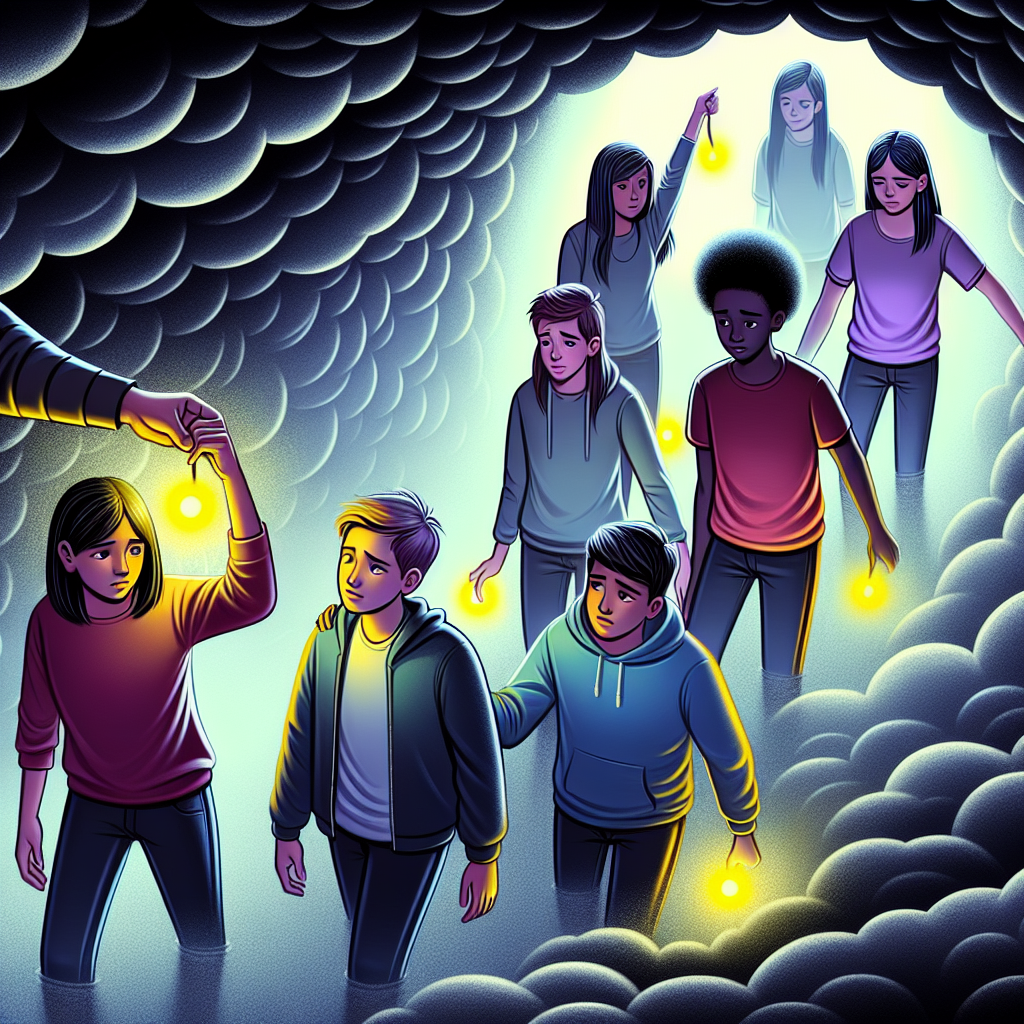
In the intricate tapestry of adolescence, where emotions often swirl like autumn leaves in a brisk wind, building resilience becomes an essential thread woven into the fabric of a teen’s life. As young hearts navigate the tumultuous waters of growing up, they encounter stressors that can feel overwhelming—academic pressures, social dynamics, and the search for identity all contribute to a complex emotional landscape. Yet, within this chaos lies the potential for growth and strength, as teens learn to embrace their experiences with confidence and grace.
To begin this journey of resilience, it is vital for teens to cultivate self-awareness, which serves as a compass guiding them through the stormy seas of stress. By recognizing their feelings and acknowledging the challenges they face, young individuals can start to unravel the tangled web of emotions that may otherwise hold them captive. This introspection allows them to understand not only what triggers their anxiety but also how they respond to these pressures. Journaling, for instance, can be a powerful tool; penning down thoughts and feelings transforms abstract worries into tangible words, providing clarity and insight.
As awareness deepens, so too does the importance of establishing healthy coping mechanisms. Engaging in physical activities can act as a balm for the weary soul, releasing endorphins that uplift spirits and promote well-being. Whether it’s dancing under the stars or running along sun-dappled paths, movement fosters a connection between body and mind, enabling teens to channel their energy positively. Furthermore, mindfulness practices such as meditation or yoga offer serene spaces to pause and breathe, encouraging moments of reflection amidst life’s frenetic pace. These practices empower adolescents to reclaim control over their inner worlds, cultivating a sanctuary where peace flourishes.
Transitioning from self-awareness to action requires support, and forging connections with trusted adults can significantly enhance a teen’s ability to cope with stress. Conversations with parents, teachers, or mentors create a safety net, allowing young people to share their burdens without fear of judgment. In these dialogues, vulnerability becomes strength, fostering deeper relationships built on trust and understanding. Moreover, peer support plays a pivotal role; forming bonds with friends who share similar struggles cultivates a sense of belonging that is both comforting and empowering. Together, they can explore solutions, share laughter, and remind one another that they are not alone in their journeys.
Equally important is the art of setting realistic goals. Adolescents often grapple with perfectionism, believing they must excel in every facet of life. By learning to set achievable objectives and celebrating small victories along the way, teens can shift their perspectives from unattainable ideals to personal growth. This approach not only alleviates pressure but also instills a sense of accomplishment that fuels motivation and resilience.
As teens continue to build resilience, embracing creativity can also serve as a powerful outlet for expression and healing. Art, music, and writing provide channels for processing emotions that might otherwise remain trapped inside. Through creative endeavors, young minds can transform pain into beauty, crafting narratives that reflect their unique experiences while inspiring others to embark on their own journeys toward empowerment.
Ultimately, navigating the shadows of stress with resilience is not merely about enduring hardships; it is about flourishing despite them. By fostering self-awareness, seeking support, setting realistic goals, and embracing creativity, teens can emerge from the depths of uncertainty stronger and more confident than ever before. In doing so, they illuminate the path for others, creating a community where mental health is embraced with open arms—a testament to the power of shared experience and collective strength.
The Importance of Open Communication: Encouraging Conversations About Mental Health
In a world that often feels overwhelming, where the cacophony of expectations and pressures can drown out the inner voice of youth, open communication stands as a beacon of hope. Encouraging conversations about mental health is not merely an act of sharing; it is an invitation to explore the depths of one’s emotions and experiences with kindness and understanding. By fostering an environment where teens feel safe to express their thoughts, we empower them to navigate the complexities of their mental landscapes with confidence.
The journey begins with recognizing that mental health is just as vital as physical health. When adults engage in meaningful dialogues about feelings, struggles, and triumphs, they model vulnerability and authenticity. This modeling creates a nurturing atmosphere where young people can articulate their fears and uncertainties without judgment. It is in these moments of shared humanity that connections deepen, illuminating the path toward healing and self-acceptance. As conversations unfold, teens learn that they are not alone in their battles; rather, they belong to a community of individuals who understand the ebbs and flows of emotional well-being.
Moreover, encouraging dialogue around mental health cultivates empathy among peers. When teens share their stories—whether they revolve around anxiety, depression, or the everyday pressures of life—they invite others into their world. This exchange fosters compassion and dismantles stigma, allowing young people to see each other through a lens of shared experience rather than isolation. In this way, open communication becomes a powerful tool for building resilience, creating networks of support that can withstand the storms of adolescence.
Transitioning from silence to conversation requires deliberate effort and intention. Adults can take the lead by initiating discussions in gentle ways, perhaps during casual moments like family dinners or while engaging in shared activities. Posing open-ended questions invites reflection and encourages deeper exploration of feelings. Phrases such as “How have you been feeling lately?” or “What’s been on your mind?” serve as gateways into richer conversations. These inquiries signal to teens that their thoughts are valued and worthy of attention, reinforcing the idea that expressing emotions is a strength, not a weakness.
Furthermore, it is essential to recognize that open communication is not solely about addressing challenges; it also encompasses celebrating successes and joys. Acknowledging the highs alongside the lows reinforces a balanced perspective on mental health. When teens share their achievements or moments of happiness, they learn to appreciate the spectrum of their emotional experiences. This holistic approach nurtures gratitude and resilience, equipping them to face future challenges with a sense of hope.
As we continue to weave mental health awareness into the fabric of our communities, let us remember that each conversation holds transformative potential. By cultivating environments rich in openness and acceptance, we enable teens to embrace their mental health journeys with courage and confidence. The shadows may linger, but through connection and communication, light can break through, illuminating paths toward understanding and empowerment. Ultimately, when we encourage our youth to speak freely about their mental health, we lay the groundwork for a future where every individual feels empowered to navigate their unique emotional landscape, unearthing the beauty within even the most challenging moments.
Empowering Self-Care Practices: Tools for Teens to Prioritize Their Well-Being
In the delicate tapestry of adolescence, where emotions often ebb and flow like the tides, empowering self-care practices can serve as a beacon of hope for teens navigating their mental health. It is essential to recognize that self-care is not merely a luxury; it is a fundamental necessity that allows young individuals to cultivate resilience and embrace their well-being with confidence. By equipping teens with tools to prioritize their mental health, we enable them to weave strength into their everyday lives, fostering a sense of agency in an ever-changing world.
One of the most transformative self-care practices is mindfulness, which encourages teens to become attuned to their thoughts and feelings without judgment. Engaging in mindfulness exercises—whether through meditation, deep-breathing techniques, or simply taking a moment to appreciate their surroundings—can create a sanctuary of calm amidst the chaos of daily pressures. As they learn to center themselves, teens may discover a newfound clarity that empowers them to confront challenges with grace and poise. The practice of mindfulness not only enhances emotional regulation but also nurtures self-compassion, allowing them to extend kindness toward themselves during difficult times.
Moreover, physical activity serves as another vital pillar in the realm of self-care. Whether it’s dancing in their room, playing a sport, or going for a brisk walk, movement has a profound impact on mental well-being. The endorphins released during exercise act as natural mood lifters, helping to alleviate stress and anxiety. Encouraging teens to explore various forms of physical expression invites them to find joy in movement while promoting a healthy relationship with their bodies. This connection between mind and body becomes a source of empowerment, reminding them that they have the ability to influence their own happiness.
Creative outlets also play a crucial role in self-care, offering teens a means to express their innermost thoughts and feelings. Art, writing, music, or any form of creative expression can serve as a cathartic release, transforming overwhelming emotions into tangible creations. In these moments of artistic exploration, teens may uncover hidden talents and passions, igniting a sense of purpose that bolsters their self-esteem. Furthermore, sharing their creations with others fosters connections and builds community, reinforcing the idea that vulnerability can be a powerful bridge to understanding and support.
As we delve deeper into the importance of self-care, we must also emphasize the significance of establishing healthy boundaries. Teaching teens to recognize their limits and communicate their needs is paramount in cultivating a balanced life. Encouraging them to say no when necessary and to seek help when overwhelmed fosters an environment where they feel safe and supported. Boundaries are not walls; rather, they are protective barriers that allow teens to flourish without succumbing to external pressures.
Finally, nurturing relationships plays an integral part in the journey of self-care. Encouraging open dialogues about mental health among peers creates a culture of empathy and understanding. When teens feel comfortable discussing their struggles, they realize they are not alone in their experiences. This shared vulnerability strengthens bonds and cultivates a network of support that can prove invaluable during challenging times.
In conclusion, empowering teens to embrace self-care practices is akin to gifting them a compass to navigate the intricate landscape of mental health. Through mindfulness, physical activity, creative expression, boundary-setting, and nurturing relationships, they can embark on a journey of self-discovery and resilience. By prioritizing their well-being, teens learn not only to weather life’s storms but to dance gracefully in the rain, embracing each moment with confidence and authenticity.
Conclusion
“Navigating the Shadows: Empowering Teens to Embrace Mental Health with Confidence” emphasizes the importance of fostering a supportive environment where teenagers can openly discuss and address their mental health challenges. By providing education, resources, and community support, we empower teens to recognize their feelings, seek help when needed, and cultivate resilience. Ultimately, promoting mental health awareness equips young individuals with the tools to navigate life’s complexities, leading to healthier futures and stronger communities.