
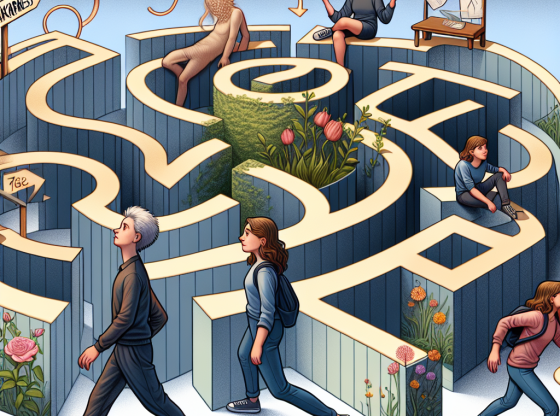
“Navigating the Awkward: A Graphic Journey Through Growing Up and Embracing Change” is a compelling visual narrative that captures the tumultuous yet transformative experience of adolescence. Through vibrant illustrations and relatable storytelling, it delves into the challenges of self-discovery, social dynamics, and the often uncomfortable transitions that define this pivotal stage of life. The book serves as both a mirror and a guide for young readers, encouraging them to embrace their individuality while navigating the complexities of growing up in an ever-changing world. With humor and empathy, it highlights the universal awkwardness of youth, fostering resilience and acceptance along the way.
Embracing Change: The Art of Growing Up
Embracing change is an inevitable part of the journey we call growing up, a process that unfolds like a beautifully illustrated graphic novel, each chapter marked by trials, triumphs, and transformative moments. As children, our world is painted in broad strokes of innocence and wonder, where every day presents new adventures, and the horizon seems endless. However, as we transition into adolescence and adulthood, the palette shifts dramatically. The vibrant colors of childhood are often replaced by more muted tones of uncertainty and self-discovery. This metamorphosis can feel daunting, yet it also holds the promise of growth and renewal.
Navigating this landscape requires not only courage but also a willingness to embrace the unknown. Change, though often perceived as intimidating, can be viewed through a different lens—a romantic perspective that celebrates the beauty of evolution. Each awkward moment during these formative years serves as a stepping stone toward self-awareness. It is in those uncomfortable situations—like stumbling over words in a crowded room or grappling with shifting friendships—that we learn resilience. These experiences shape us, teaching valuable lessons about vulnerability and authenticity.
Moreover, embracing change means recognizing that growth is not linear; it ebbs and flows like the tides of the ocean. Some days may feel heavy with doubt, while others shine brightly with newfound confidence. The key lies in understanding that both joy and sorrow are integral to the human experience. Just as an artist layers paint upon canvas, we too layer experiences upon our lives, each brushstroke adding depth and character to our personal narrative. In this way, we learn to appreciate the intricate details that define us—our quirks, dreams, and aspirations.
As we navigate the winding paths of adolescence, we inevitably encounter moments of self-doubt and insecurity. Social dynamics shift, interests evolve, and the pressure to conform can feel overwhelming. Yet, it is within these challenging circumstances that we discover our true selves. By allowing ourselves to be vulnerable, we invite connection and empathy from others who share similar struggles. The art of growing up involves forging bonds that transcend superficial interactions; it’s about finding solace in shared stories and realizing that everyone is navigating their own unique journey.
Transitioning into adulthood further amplifies this theme of change. Suddenly, responsibilities multiply, choices become more consequential, and the stakes feel higher than ever before. However, this period also brings exciting opportunities for exploration and self-discovery. Embracing change during this time allows us to redefine our identities and pursue passions that resonate with our innermost desires. Whether it’s embarking on a new career path, traveling to unfamiliar places, or cultivating relationships that nourish our souls, these decisions contribute to the tapestry of our lives.
Ultimately, embracing change is akin to falling in love—with ourselves, our journeys, and the beautiful unpredictability of life. It invites us to dance in the rain rather than waiting for the storm to pass. Each twist and turn reveals hidden treasures, urging us to appreciate the present moment while remaining open to the possibilities that lie ahead. As we continue to grow and evolve, let us remember that change is not something to fear but a vital force that propels us forward, guiding us toward our most authentic selves. Thus, as we traverse the sometimes awkward terrain of growing up, we should celebrate the art of embracing change, for it shapes not just who we are but who we are destined to become.
Navigating Awkward Moments: Lessons Learned Through Graphics

In the tapestry of growing up, awkward moments often weave themselves into our lives like thread through fabric, creating a complex pattern that is both beautiful and challenging. These instances, which may initially feel uncomfortable or even embarrassing, are often rich with lessons that shape our understanding of ourselves and the world around us. Through the lens of graphic storytelling, we can explore these experiences in a way that transforms discomfort into insight, allowing us to embrace change rather than shy away from it.
As children, we encounter numerous situations that leave us feeling out of place. Perhaps it’s the first day at a new school, where every interaction feels like walking on unsteady ground. In these moments, graphic narratives can serve as mirrors, reflecting our vulnerabilities while offering solace in the shared experience of others. The artful illustrations capture the essence of uncertainty—the wide eyes, the hesitant smiles—reminding us that everyone navigates their own version of awkwardness. This visual representation not only validates our feelings but also encourages us to find humor in our missteps, fostering resilience as we learn to laugh at ourselves.
Transitioning into adolescence brings about a whirlwind of changes, each accompanied by its own set of challenges. Relationships become more complicated, and the pressure to fit in intensifies. Here, graphics play a crucial role in articulating the tumultuous emotions we face. A single panel depicting an unrequited crush or a moment of social faux pas can evoke empathy and understanding. Through these artistic expressions, we begin to realize that vulnerability is not a weakness; instead, it is a profound aspect of our humanity. By embracing these awkward encounters, we cultivate deeper connections with those around us, learning that authenticity often shines brightest amidst imperfection.
Moreover, as we continue on this journey of self-discovery, we encounter pivotal moments that redefine our identities. Whether it’s navigating career choices or grappling with personal beliefs, these crossroads can be fraught with uncertainty. Graphic stories provide a canvas for exploring these dilemmas, illustrating the internal conflicts we face with striking imagery and poignant dialogue. The act of seeing our struggles depicted visually empowers us to confront them head-on, transforming fear into courage. We come to understand that change is not something to resist; rather, it is an inevitable force that propels us toward growth.
As adulthood beckons, the awkward moments may evolve but never truly disappear. They manifest in different forms—a job interview gone awry, an unexpected breakup, or even the challenge of redefining friendships. Yet, through the power of graphics, we are reminded that these experiences are universal. Each illustration tells a story of resilience, encouraging us to embrace the messiness of life. The vibrant colors and whimsical characters illustrate that while awkwardness may feel isolating, it is ultimately a shared experience that connects us all.
In conclusion, navigating awkward moments is an integral part of growing up, providing invaluable lessons along the way. Through graphic storytelling, we find a unique medium that captures the essence of these experiences with beauty and depth. As we traverse the landscape of change, we learn to celebrate our imperfections and cherish the lessons they impart. Ultimately, it is within these moments of vulnerability that we discover our true selves, ready to embrace whatever comes next with open hearts and minds.
The Role of Humor in the Journey of Adolescence
Adolescence is a tumultuous period, characterized by physical, emotional, and social upheaval. As young individuals navigate the complexities of growing up, humor emerges as an essential tool in their arsenal, providing both relief and resilience amidst the chaos. It acts as a balm for wounds inflicted by insecurities and misunderstandings, allowing adolescents to confront their evolving identities with a lighter heart. The awkwardness that often accompanies this stage of life can be overwhelming; however, when infused with humor, these experiences transform into shared stories that foster connections and build camaraderie among peers.
In many ways, humor serves as a bridge between vulnerability and strength. Adolescents are frequently faced with challenges such as peer pressure, body image issues, and the search for acceptance. During these trying times, laughter becomes a sanctuary—a momentary escape from the weight of expectations. Jokes about the clumsiness of first crushes or the absurdity of parental rules not only lighten the mood but also create a sense of belonging. When young people share their misadventures, they find solace in knowing that others face similar struggles. This shared experience cultivates a community where individuals feel understood and accepted, easing the burden of isolation that often plagues adolescence.
Moreover, humor encourages introspection and self-awareness. By laughing at themselves, adolescents gain perspective on their situations, enabling them to approach challenges with a sense of optimism. For instance, turning an embarrassing moment into a comedic anecdote allows them to reclaim control over their narrative. Rather than being defined by their awkwardness, they learn to embrace it as part of their unique journey. This shift in mindset not only fosters resilience but also nurtures creativity, as young people discover new ways to express themselves through storytelling and wit. In doing so, they become adept at transforming life’s uncertainties into opportunities for growth.
As they traverse the labyrinth of adolescence, humor also plays a pivotal role in navigating relationships. Friendships formed during this time often hinge on shared laughter, which strengthens bonds and promotes trust. The ability to joke about one another’s quirks creates a safe space for vulnerability and authenticity. Furthermore, humor can diffuse tension in romantic pursuits, helping to ease the anxiety associated with first dates or heartbreaks. A well-timed quip can break the ice, transforming potentially awkward moments into cherished memories. Thus, humor not only enhances social interactions but also lays the foundation for deeper connections that can last well beyond adolescence.
Additionally, humor offers a lens through which young people can critique societal norms and expectations. Satire and parody allow them to question the status quo while fostering critical thinking skills. Through comedic expression, adolescents explore themes of identity, diversity, and personal freedom, challenging preconceived notions about what it means to grow up. This exploration becomes a powerful form of empowerment, enabling them to assert their individuality amid external pressures.
In conclusion, humor is more than just a coping mechanism; it is a vital component of the adolescent experience that enriches the journey toward adulthood. By embracing laughter, young people navigate the awkwardness of growing up with grace and resilience. They cultivate connections, develop self-awareness, and challenge societal norms—all while creating lasting memories filled with joy. Ultimately, humor transforms the trials of adolescence into a vibrant tapestry of growth, connection, and celebration, reminding us all that even in our most vulnerable moments, there is always room for laughter.
Visual Storytelling: Capturing the Essence of Growing Pains
In the intricate tapestry of life, growing up is often depicted as a series of vibrant colors and stark contrasts, where joy intertwines with discomfort, and innocence collides with newfound awareness. Visual storytelling serves as an exquisite medium to encapsulate these growing pains, transforming the abstract emotions of adolescence into tangible experiences that resonate deeply within us. Through illustrations, comics, and graphic novels, artists capture the essence of this tumultuous journey, offering audiences a window into the complexities of youth.
As we traverse the pages of such visual narratives, we find ourselves immersed in the rich landscapes of childhood dreams and the bittersweet reality of change. Each panel invites us to witness the small yet profound moments that define our formative years—those fleeting interactions, the awkward silences shared between friends, or the poignant glances exchanged during pivotal life events. These snapshots not only evoke nostalgia but also remind us that growth often comes hand in hand with uncertainty and vulnerability.
The charm of visual storytelling lies in its ability to distill complex emotions into relatable imagery. Artists skillfully employ color palettes that mirror the emotional landscape of their characters, using bright hues to convey exuberance and muted tones to reflect melancholy. For instance, the simple act of moving from one phase of life to another can be illustrated through the transition from sunny yellows to somber blues, capturing both the excitement of new beginnings and the sorrow of leaving behind cherished memories. This interplay of colors acts as a silent narrative thread, guiding viewers through the protagonist’s evolving identity.
Moreover, the use of symbolism enhances the depth of these stories, allowing readers to engage on multiple levels. A blossoming flower may represent budding self-awareness, while a crumbling structure could signify the inevitable disintegration of childhood illusions. Such metaphors invite introspection, encouraging audiences to draw parallels between their own experiences and those portrayed on the page. As we navigate these themes, we are reminded that growing up is not merely about physical changes; it encompasses emotional and psychological transformations that shape who we become.
Transitioning from one stage of life to another can feel daunting, yet visual storytelling captures the beauty inherent in this struggle. It reminds us that every awkward moment—a first crush, an embarrassing misstep, or a moment of isolation—is part of a larger narrative. These experiences are woven together like threads in a quilt, each contributing to the overall fabric of our identities. By embracing these moments, we learn to appreciate the richness of our journeys, recognizing that discomfort often heralds growth.
Ultimately, visual storytelling resonates because it reflects universal truths about the human experience. It invites us to confront our fears and uncertainties while celebrating our triumphs. As we turn the pages, we embark on a collective exploration of what it means to grow up—to embrace change with open hearts and minds. In doing so, we cultivate empathy for ourselves and others, fostering connections that transcend time and space. Through artful depictions of life’s growing pains, we not only celebrate the past but also illuminate paths toward resilience and self-discovery, reminding us that the journey is just as important as the destination.
Conclusion
“Navigating the Awkward: A Graphic Journey Through Growing Up and Embracing Change” effectively captures the tumultuous experience of adolescence through its engaging visuals and relatable storytelling. It highlights the challenges of identity formation, social dynamics, and the often uncomfortable yet essential process of personal growth. The graphic format enhances accessibility and relatability, making it a valuable resource for both young readers and adults reflecting on their own journeys. Ultimately, the work encourages embracing change as a vital part of life, fostering resilience and self-acceptance amid the awkwardness of growing up.