
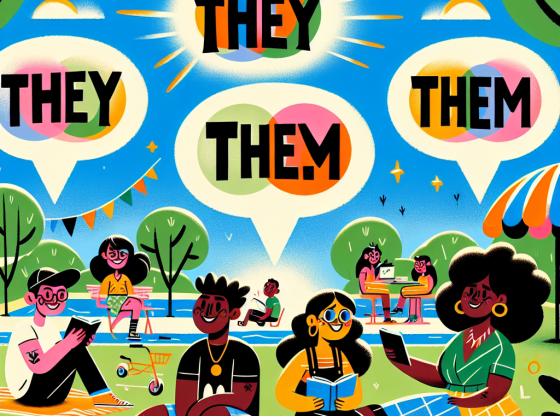
“They/Them Delights: A Playful Exploration of Gender-Neutral Pronouns” invites audiences into a vibrant world where language and identity intertwine. This innovative production delves into the significance of gender-neutral pronouns, highlighting their role in fostering inclusivity and understanding in contemporary society. Through humor, creativity, and engaging storytelling, the play challenges traditional notions of gender while celebrating the diverse spectrum of identities. As characters navigate their experiences with self-expression and acceptance, viewers are encouraged to reflect on the power of language in shaping our perceptions of one another. “They/Them Delights” not only entertains but also educates, making it a timely and essential exploration of modern gender discourse.
Understanding They/Them Pronouns: A Comprehensive Guide
In the ever-evolving landscape of language and identity, they/them pronouns have emerged as a beautiful testament to the complexities of gender. This exploration into the realm of gender-neutral pronouns invites us to embrace a more inclusive understanding of human experience. As we journey through this topic, it becomes evident that using they/them pronouns is not merely a linguistic choice but rather an affirmation of one’s identity and existence in a world that often seeks to categorize and define.
To begin with, it’s essential to acknowledge that traditional binary pronouns—he/him and she/her—have long dominated our discourse. However, the rise of they/them pronouns serves as a gentle reminder that gender is not confined to these rigid structures. Instead, it exists on a spectrum, allowing individuals to express themselves authentically. When someone identifies with they/them pronouns, it signifies a desire for recognition beyond conventional norms, illuminating the beauty of personal truth.
As we delve deeper into the significance of they/them pronouns, it’s important to recognize their historical usage. Contrary to popular belief, the singular “they” has been part of the English language for centuries, appearing in the works of renowned authors such as Shakespeare and Jane Austen. This rich history underscores that embracing they/them pronouns is not a modern phenomenon but rather a return to a more fluid understanding of language. By acknowledging this lineage, we can appreciate how language evolves alongside society’s growing awareness of diverse identities.
Transitioning from history to practical application, using they/them pronouns involves a conscious effort to respect and validate individual preferences. For many, hearing their chosen pronouns used correctly can foster a sense of belonging and acceptance. It encourages a culture where everyone feels seen, creating spaces where authenticity thrives. Adopting they/them pronouns in conversation may initially feel unfamiliar, yet with practice, it can become second nature. It requires active listening and mindfulness, encouraging us to be present in our interactions and considerate of others’ experiences.
Furthermore, understanding they/them pronouns extends beyond mere grammatical adjustments; it encompasses empathy and connection. When we engage with someone who uses they/them pronouns, we are invited into their world—a space filled with unique narratives and perspectives waiting to be explored. This engagement fosters relationships grounded in respect and love, allowing us to celebrate each person’s individuality while also recognizing our shared humanity.
In addition to fostering interpersonal connections, incorporating they/them pronouns into everyday conversations contributes to broader societal change. Language holds immense power, shaping perceptions and influencing attitudes. By normalizing the use of they/them pronouns, we challenge outdated notions of gender and encourage a cultural shift towards inclusivity. This shift nurtures environments where diversity flourishes, inviting all individuals to step into their truths without fear or hesitation.
Ultimately, the journey of understanding and using they/them pronouns is a romantic endeavor—a dance between language and identity that celebrates the richness of human experience. As we learn to navigate this landscape, let us approach it with curiosity and compassion, recognizing that every interaction offers an opportunity for growth. In embracing they/them pronouns, we not only honor individual identities but also contribute to a tapestry woven with threads of acceptance, love, and understanding. Thus, as we continue to explore the depths of language and identity together, may we find joy in the myriad ways we express ourselves in this beautifully complex world.
The Importance of Gender-Neutral Language in Society
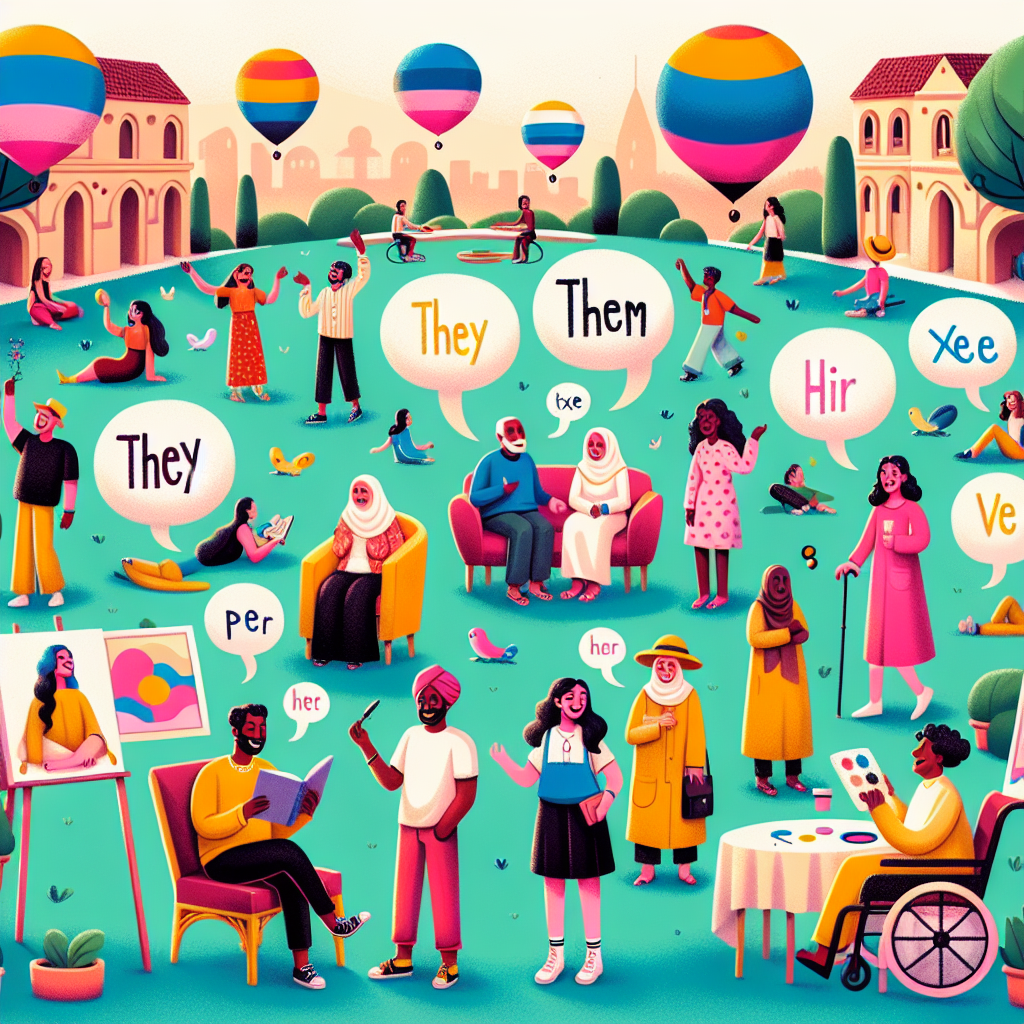
In the intricate tapestry of human communication, language serves as both a mirror and a mold for societal values. As we navigate the ever-evolving landscape of identity, the importance of gender-neutral language emerges as a vital thread that binds us to inclusivity and understanding. Embracing terms like “they/them” not only honors individual identities but also enriches our collective discourse, allowing every voice to resonate in its own unique timbre. This shift towards gender-neutral pronouns is more than a mere linguistic trend; it symbolizes a broader cultural awakening.
As society becomes increasingly aware of the spectrum of gender identities, the use of gender-neutral language fosters an environment where individuals can express themselves authentically without the constraints of traditional binaries. By incorporating “they/them” into everyday conversation, we acknowledge that gender is not a rigid classification but rather a fluid experience that can encompass myriad expressions. This acknowledgment allows people to feel seen and validated, nurturing a sense of belonging that is essential for emotional well-being.
Transitioning from conventional language to one that embraces neutrality requires conscious effort and sensitivity. It invites us to reconsider how we communicate not just with words but with intention. When we choose to use gender-neutral pronouns, we dismantle the barriers that have historically marginalized those who do not conform to binary definitions of gender. This simple act becomes a powerful statement of solidarity, signaling to others that their identity matters and deserves recognition.
Moreover, the ripple effects of adopting gender-neutral language extend beyond individual interactions. In educational settings, inclusive language cultivates a climate where all students feel valued and respected. When educators model the use of “they/them” pronouns, they create safe spaces for exploration and dialogue, encouraging young minds to embrace diversity in thought and expression. This practice not only empowers students to articulate their identities but also instills in them the importance of empathy—a quality that will serve them throughout their lives.
In professional environments, the implementation of gender-neutral language reflects a commitment to equity and respect. Companies that prioritize inclusivity in their communications signal to employees and clients alike that they recognize and value diverse perspectives. This approach not only enhances workplace morale but also attracts talent from various backgrounds, fostering innovation through a rich tapestry of ideas. Ultimately, organizations that adopt gender-neutral language position themselves as leaders in social responsibility, paving the way for a more equitable future.
Furthermore, embracing gender-neutral pronouns aligns with the broader movement toward dismantling patriarchal norms that have long dictated the parameters of acceptable behavior and expression. By challenging these conventions, we open ourselves to a world brimming with possibilities—one where love, creativity, and self-expression flourish unencumbered by outdated constraints. In this romantic vision of society, language becomes a tool for liberation, granting each person the freedom to define their existence on their own terms.
In conclusion, the journey toward embracing gender-neutral language is a beautiful dance between tradition and progress. As we weave this new lexicon into our daily lives, we celebrate the richness of human experience while fostering connection and understanding among all individuals. With every instance of using “they/them,” we take a step closer to a world where everyone can bask in the warmth of acceptance and affirmation, creating a harmonious symphony of voices that reflect the vibrant diversity of humanity.
Celebrating Diversity: Personal Stories of Using They/Them Pronouns
In the vibrant tapestry of human experience, stories emerge that illuminate the beauty of identity and self-expression. Among these narratives are those of individuals who have embraced they/them pronouns, a choice that not only reflects their personal journey but also contributes to a broader understanding of gender diversity. These stories resonate with warmth and authenticity, reminding us of the importance of celebrating our differences while nurturing a sense of belonging.
Consider the tale of Alex, a spirited artist whose canvas is as fluid as their identity. Growing up in a world that often imposed rigid definitions of gender, Alex felt constrained by expectations that did not align with their true self. As they navigated adolescence, the realization dawned that traditional labels were insufficient to encapsulate their essence. Embracing they/them pronouns became a liberating act, allowing Alex to express their creativity without the weight of societal constraints. Through art, they communicate their unique perspective, inviting others to see beauty in ambiguity and fluidity. Each brushstroke tells a story of exploration, echoing the sentiment that identity is an evolving masterpiece.
Similarly, Jamie’s narrative unfolds against the backdrop of familial love and acceptance. From a young age, Jamie grappled with feelings of discomfort when referred to by binary pronouns. The moment they introduced their chosen pronouns to family members was both exhilarating and nerve-wracking. To their delight, Jamie discovered an outpouring of support and understanding from loved ones. This embrace of they/them pronouns fostered a deeper connection within their family, creating space for conversations about gender identity and expression. By sharing their journey, Jamie not only affirmed their own identity but also encouraged those around them to reflect on the richness of diverse experiences. Their story exemplifies how openness can transform relationships, weaving threads of empathy and respect into the fabric of familial bonds.
As we delve deeper into this celebration of identity, it becomes evident that the use of they/them pronouns serves as a bridge between individuality and community. Take Sam, for instance, whose journey through high school was marked by the struggle for acceptance. Initially hesitant to share their pronouns, Sam eventually found solace in a supportive group of friends who championed inclusivity. By adopting they/them pronouns, Sam found empowerment in expressing themselves authentically. Their courage inspired peers to embrace their own identities, fostering a culture of acceptance where everyone could thrive. In this way, Sam’s experience illustrates how embracing gender-neutral language can ripple outward, encouraging others to explore and celebrate their own truths.
Moreover, the significance of they/them pronouns extends beyond individual narratives; it speaks to a collective movement towards recognition and validation. In workplaces, educational institutions, and social settings, the adoption of inclusive language fosters environments where all individuals feel seen and respected. It is a gentle reminder that language has the power to shape perceptions and create spaces where diversity flourishes. As more people share their stories of using they/them pronouns, the dialogue surrounding gender identity continues to evolve, paving the way for future generations to navigate their paths with confidence and grace.
Ultimately, the celebration of diversity through personal stories enriches our understanding of what it means to be human. By listening to and honoring these narratives, we cultivate empathy and appreciation for the myriad ways in which individuals express their identities. They/them pronouns become more than mere words; they embody a commitment to inclusivity and love—a testament to the beautiful complexity of existence itself.
Creative Ways to Incorporate They/Them Pronouns in Everyday Conversation
In a world that is constantly evolving, the way we communicate reflects our growing understanding of identity and expression. One delightful aspect of this evolution is the embrace of they/them pronouns as a valid and meaningful alternative to traditional gendered language. Incorporating these pronouns into everyday conversation can not only enhance inclusivity but also enrich our interactions with an air of warmth and respect. As we embark on this playful exploration, it becomes evident that using they/them pronouns can be both simple and profound.
To begin with, one of the most effective ways to seamlessly introduce they/them pronouns into your dialogue is by practicing active listening. When engaging in conversations, pay attention to how individuals refer to themselves. If someone shares their preferred pronouns, you can respond affirmatively, weaving their identity into your speech. For instance, if a friend mentions they recently started a new hobby, you could say, “I love that they are exploring their creativity!” This small gesture not only acknowledges their identity but also encourages others to feel seen and valued.
Moreover, storytelling serves as a beautiful canvas for incorporating they/them pronouns. When recounting tales or sharing experiences, consider using gender-neutral language to create an inclusive narrative. Instead of defaulting to he or she, opt for they when describing characters or people involved in the story. For example, rather than saying, “When he arrived at the party, she was already there,” you might choose, “When they arrived at the party, everyone was excited to see them.” This subtle shift invites listeners to engage without imposing assumptions about gender, allowing for a more fluid and inviting atmosphere.
Transitioning from storytelling to day-to-day interactions, it’s essential to remember that practice makes perfect. Engage with friends and family members in discussions about language and its impact on society. By fostering an open dialogue around the use of they/them pronouns, you create a space where curiosity flourishes, and misunderstandings dissolve. You might start by sharing articles or resources that highlight the importance of inclusive language. As your circle becomes more aware, gently incorporate they/them pronouns into casual conversations, making it a natural part of your collective vocabulary.
Additionally, social media platforms provide an excellent opportunity to normalize they/them pronouns. When crafting posts or comments, consciously use inclusive language that reflects the diversity of identities present in your online community. Whether sharing thoughts on current events or discussing personal experiences, embracing they/them pronouns can foster a sense of belonging among followers. The beauty of this approach lies in its ability to ripple outward; as you model inclusive language, others may follow suit, creating a cascading effect of acceptance and understanding.
Finally, let us not overlook the charm of humor as a tool for inclusion. Light-hearted banter can serve as a gentle introduction to the concept of they/them pronouns. Playful jokes or puns that celebrate diversity can break down barriers and invite laughter while simultaneously educating those around you. Remember that the goal is not perfection but progress—a journey filled with compassion and curiosity.
In conclusion, incorporating they/them pronouns into everyday conversation is a delightful endeavor that fosters connection and understanding. Through active listening, storytelling, open dialogues, social media engagement, and humor, we can weave these pronouns into the fabric of our communication. Ultimately, embracing they/them pronouns is about celebrating individuality and cultivating a culture of inclusivity, allowing every voice to resonate beautifully in the symphony of human experience.
Conclusion
“They/Them Delights” serves as an engaging and insightful examination of gender-neutral pronouns, highlighting the importance of inclusivity and understanding in language. By exploring the experiences and identities associated with they/them pronouns, the play fosters empathy and challenges societal norms surrounding gender. Ultimately, it encourages audiences to embrace diversity and recognize the significance of respecting individuals’ chosen identities through language.