
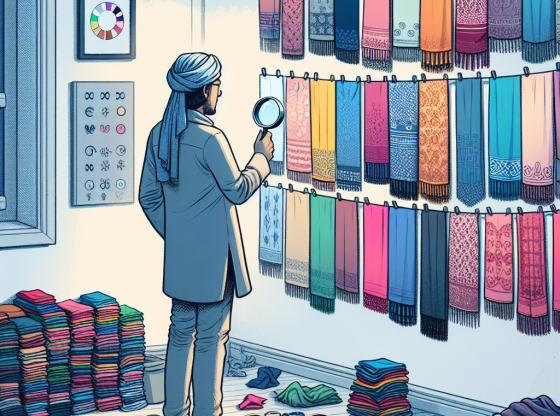
“He Explores the Art of Seduction: A Guide to Queer Flagging and the Hanky Code” delves into the vibrant and nuanced world of queer communication through visual symbols and subtle cues. This guide offers an in-depth exploration of flagging practices within the LGBTQ+ community, particularly focusing on the historical and contemporary significance of the hanky code. By decoding the meanings behind various colors and placements, readers gain insight into personal expression, desire, and connection. The book serves as both a practical manual for those looking to navigate sexual dynamics and a celebration of the creativity and diversity inherent in queer culture.
Understanding Queer Flagging: A Visual Language of Identity
In the vibrant tapestry of queer culture, flagging has emerged as a captivating visual language that transcends mere aesthetics to express identity, desires, and connections. This art form is not just about colors and patterns; it embodies a rich history and a profound sense of belonging within the LGBTQ+ community. Understanding queer flagging invites individuals into a world where each hue and design carries significance, offering a unique glimpse into the complexities of sexual orientation and personal identity.
At its core, queer flagging serves as a means of communication, allowing people to convey their interests and preferences with subtlety and flair. The origins of this practice can be traced back to the iconic rainbow flag, which symbolizes diversity and pride across the spectrum of sexual identities. However, as the community has evolved, so too have the flags that represent it. Each color on these flags often holds meaning, inviting wearers to share their stories without uttering a single word. For instance, the blue in the bisexual pride flag represents attraction to the same sex, while pink signifies attraction to the opposite sex—together, they create a beautiful blend that celebrates fluidity in love.
As one delves deeper into the realm of flagging, another layer emerges: the hanky code. This fascinating system utilizes colored bandanas, typically worn in pockets or tied around wrists, to signal specific kinks, fetishes, or preferences. Originating in the late 1970s among gay men in San Francisco, the hanky code soon spread throughout the LGBTQ+ community, evolving into an intricate dance of desire and connection. A person wearing a red bandana might be signaling their interest in fisting, while someone sporting a black one could be expressing a penchant for BDSM. The beauty of this code lies in its ability to foster consensual encounters rooted in clear communication.
Transitioning from the colorful flags to the intimate symbolism of the hanky code reveals how deeply intertwined these forms of expression are. Both serve as tools for self-identification, allowing individuals to navigate social spaces with confidence and clarity. By embracing these visual languages, members of the queer community forge connections based on mutual understanding and respect. In a world where miscommunication can lead to misunderstandings, flagging offers a way to articulate one’s desires without fear of judgment.
Furthermore, engaging with queer flagging encourages individuals to explore their identities more fully. As people don different flags or hankies, they participate in a collective narrative that celebrates individuality within a shared experience. This act of self-expression not only affirms one’s place within the community but also fosters a sense of solidarity among diverse identities. It reminds us that our differences are not merely tolerable but are, in fact, essential threads in the fabric of human experience.
Ultimately, understanding queer flagging is about more than recognizing colors and symbols; it’s about appreciating the stories they tell. Each flag waved and each hanky worn is a declaration of existence—a testament to the journey toward self-acceptance and love. As we explore this enchanting world of visual language, we invite others to join us in celebrating not just who we are but also the myriad ways we connect with one another in our quest for intimacy and understanding. Through flagging and the hanky code, we find not only ourselves but also each other, weaving together a romantic narrative that honors our shared humanity.
The Hanky Code Explained: Colors and Their Meanings
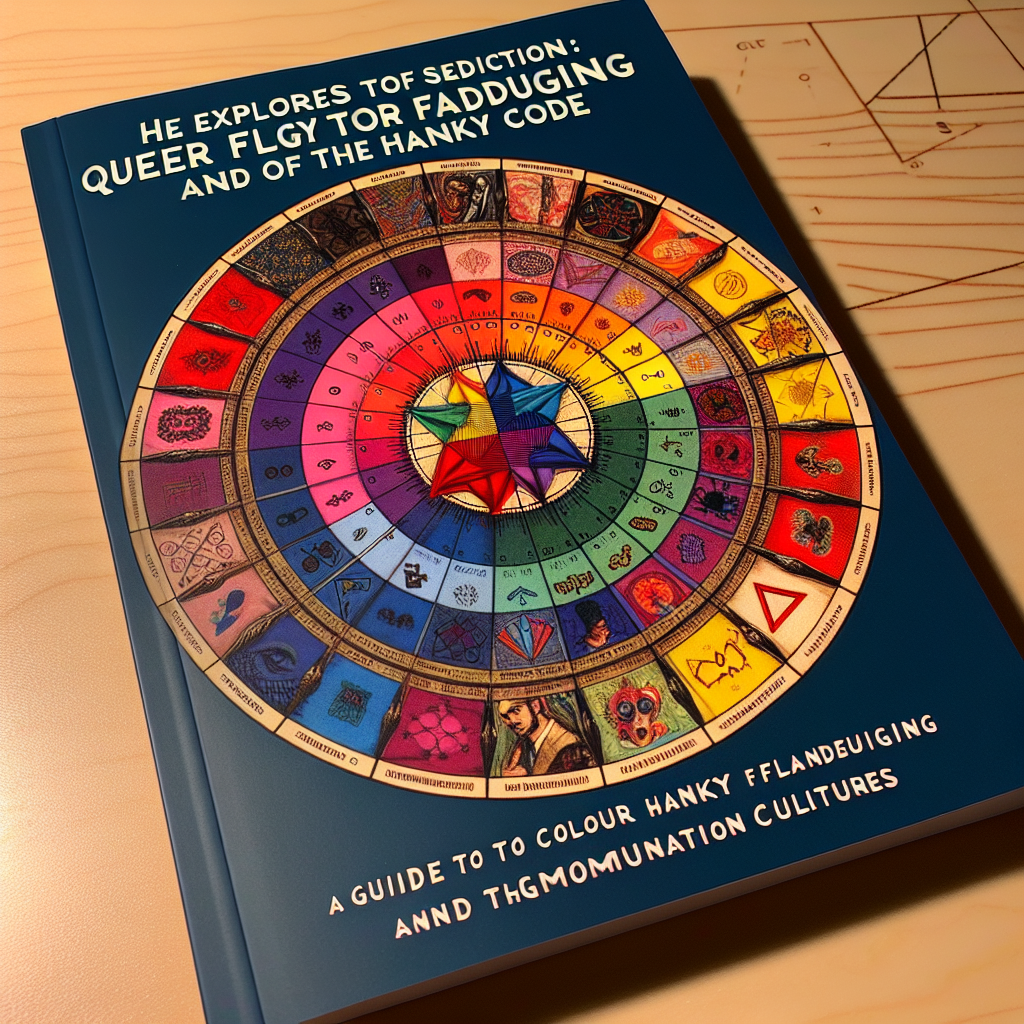
In the vibrant tapestry of queer culture, the Hanky Code stands out as a unique and expressive form of communication. Originating in the 1970s within gay leather and BDSM communities, this colorful system has evolved into an intricate language that allows individuals to convey their desires, interests, and kinks without uttering a single word. At its core, the Hanky Code employs a simple yet profound method: different colors of bandanas or handkerchiefs worn in specific pockets signal various preferences and activities. As we delve deeper into this captivating code, it becomes clear that each hue carries its own story, waiting to be unveiled.
To begin with, the color red often symbolizes passion and desire, specifically indicating a penchant for sexual activities like fisting. Those who choose to wear a red hanky may find themselves inviting others to explore this intense form of intimacy, creating an atmosphere charged with anticipation. In contrast, the color blue represents a softer yet equally alluring approach, typically associated with oral sex. This duality reflects the beauty of human connection—where one’s desires can range from the fiery to the tender, and where each shade plays a vital role in expressing the myriad ways we seek pleasure.
Transitioning from these warm tones, the green hanky emerges as a symbol of financial domination, often appealing to those who revel in the exhilarating dynamics of power exchange. Here, the color signifies a willingness to engage in playful transactions, where money becomes a tool for seduction and control. Meanwhile, black embodies dominance and submission, serving as a powerful reminder of the complexities within BDSM relationships. Wearing a black hanky can signify a desire to take charge or to submit, showcasing the fluidity of roles that exist within intimate encounters.
As we continue exploring this colorful lexicon, one cannot overlook the significance of yellow, which represents watersports—a kink that invites participants to embrace the playful and often taboo aspects of bodily fluids. The choice to don a yellow hanky speaks volumes about one’s adventurous spirit and openness to unconventional experiences. Similarly, purple is associated with bondage, offering a nod to those captivated by the art of restraint and surrender. Each color woven into this fabric of expression reveals not only personal inclinations but also a shared understanding among community members.
Moreover, it’s essential to recognize that the Hanky Code is not limited to just these primary colors; variations and combinations add depth to its meaning. For instance, wearing a striped hanky might indicate a combination of interests or a particular nuance within a kink. Thus, the nuances of flagging create an intricate dance of communication, allowing individuals to express their identities and desires without fear of misunderstanding.
Ultimately, the Hanky Code serves as more than just a practical guide; it is a romantic exploration of human connection and intimacy. By engaging in this colorful dialogue, individuals forge bonds rooted in mutual understanding and respect. As they navigate through this vibrant spectrum of colors, they participate in a timeless ritual that celebrates both individuality and community. In every flutter of fabric lies an invitation—to connect, to explore, and to embrace the beautiful complexity of our desires. Whether you’re a seasoned participant or a curious newcomer, understanding the meanings behind these colors opens up a world rich in potential, allure, and romance.
Historical Context of Flagging in the LGBTQ+ Community
The art of seduction, particularly within the LGBTQ+ community, has always been woven with intricate threads of history and symbolism. At its heart lies flagging, a practice that transcends mere visual representation to embody deeper meanings and connections among individuals. To truly appreciate the allure of this unique form of expression, one must first delve into its historical context, which reveals how it has evolved as a language of desire and identity.
Flagging, in its most recognized form, emerged prominently during the late 20th century, particularly within the leather and BDSM subcultures. The origins can be traced back to the vibrant streets of San Francisco and New York City, where queer individuals sought ways to communicate their interests and desires discreetly yet effectively. During this time, the iconic hanky code was born—a system utilizing colored bandanas worn in specific pockets to signify sexual preferences, kinks, or roles. For instance, wearing a red handkerchief on the left side indicated an interest in fisting, while the right side signaled a willingness to engage in such activities. This clever coding allowed people to navigate the often complex landscape of attraction without the need for overt verbal communication.
As we explore further into the past, it becomes clear that the act of flagging is rooted in a long tradition of using symbols to express identity and affiliation. Before the hanky code took center stage, various forms of insignia were employed by marginalized groups seeking solidarity and recognition. From the pink triangle used during World War II to identify homosexuals in concentration camps to the rainbow flag that has come to symbolize pride and diversity, these emblems have served not only as markers of identity but also as rallying points for collective action and resistance against oppression. Each symbol carries with it stories of struggle, resilience, and ultimately, love—love for oneself and for others who share similar experiences.
In contemporary society, flagging has expanded beyond its original confines, becoming a rich tapestry that reflects the multifaceted nature of queer identities. The colors and patterns found in flags now encompass a broader spectrum of sexual orientations and gender identities, allowing individuals to celebrate their uniqueness while fostering a sense of belonging within the larger community. As such, flagging serves as both an intimate expression of personal sexuality and a powerful statement of visibility in a world that often seeks to erase or diminish queer existence.
Moreover, the romantic undertones of flagging cannot be overlooked. It invites flirtation and connection, offering a playful yet profound way for individuals to engage with one another. When someone notices a particular color peeking out from a pocket or draped around the neck, it sparks curiosity and conversation, igniting the flames of attraction. In this way, flagging acts as a bridge between strangers, transforming fleeting glances into meaningful encounters.
As we reflect on the historical context of flagging within the LGBTQ+ community, it becomes evident that this practice is more than just a visual cue; it is a celebration of identity, a testament to shared experiences, and an enduring symbol of love in all its forms. By understanding its roots and evolution, we gain insight into the complexities of human connection, reminding us that at the heart of seduction lies an intrinsic desire for intimacy and acceptance. Thus, through the lens of flagging, we embrace not only our individuality but also the beautiful tapestry of relationships that bind us together in this ever-evolving narrative of love and desire.
Practical Tips for Using the Hanky Code in Social Settings
In the vibrant tapestry of queer culture, the hanky code stands as a time-honored tradition, rich with nuance and meaning. This unique form of non-verbal communication allows individuals to express their desires, preferences, and interests in a subtle yet impactful way. As one navigates social settings, understanding how to effectively use the hanky code can enhance interactions, foster connections, and add an element of playful intrigue to encounters.
To begin exploring this art, it is essential to familiarize oneself with the basic principles of flagging. The colors of the handkerchiefs convey specific messages, allowing wearers to signal what they are looking for or what activities they enjoy. For instance, a red hanky typically indicates a preference for fisting, while a blue one suggests a desire for oral sex. Each color has its own distinct meaning, and knowing these associations can serve as a foundation for engaging conversations. When entering a space where flagging is prevalent—such as a bar or club—take a moment to observe others. Notice how they display their hankies, whether tucked into pockets or worn around necks. This observation not only helps you decode their intentions but also sets the stage for your own expression.
As you decide which hanky to wear, consider your personal interests and the message you wish to communicate. Selecting a color that resonates with your desires can create an opportunity for authentic connection. However, it’s equally important to remain open-minded; someone may approach you based on their interpretation of your chosen color. Therefore, being prepared to engage in dialogue about your preferences can enrich the experience. When initiating conversation, start by complimenting the other person’s choice of hanky or asking them about its significance. This simple gesture can break the ice and lead to deeper discussions about shared interests and experiences.
Moreover, pay attention to the context of your surroundings. Different venues may have varying norms regarding flagging and sexual expression. In some spaces, flagging might be embraced openly, while in others, discretion may be more appropriate. Adapting your approach based on the environment demonstrates respect for both yourself and those around you. Furthermore, if you’re feeling particularly adventurous, consider experimenting with dual-colored hankies. This practice not only amplifies your messaging but also invites curiosity from others who may want to explore similar interests.
When interacting with potential partners, remember that consent is paramount. Just because someone approaches you based on your hanky doesn’t mean they assume mutual interest. Engaging in clear communication about boundaries and desires fosters a safer and more enjoyable atmosphere for everyone involved. Additionally, don’t shy away from expressing your own limits; this honesty lays the groundwork for trust and respect.
Lastly, embrace the playful aspect of flagging. The beauty of the hanky code lies in its ability to spark flirtation and fun within the community. Allow yourself to revel in the excitement of meeting new people who share your passions. Whether you’re at a pride event, a local gathering, or simply enjoying a night out, let the colorful fabric become an extension of your personality and desires. By doing so, you contribute to a dynamic interplay of attraction and connection that celebrates the spirit of queer culture. Ultimately, using the hanky code is not just about signaling preferences; it’s about creating an environment where romance and exploration flourish, igniting sparks of passion amid the vibrant energy of life itself.
Conclusion
“He Explores the Art of Seduction: A Guide to Queer Flagging and the Hanky Code” provides an insightful examination of the intricate systems of communication within queer communities. By delving into the meanings behind various colors and patterns, the guide highlights how flagging and the hanky code serve as tools for expressing desires, boundaries, and identities. Ultimately, it emphasizes the importance of these codes in fostering connections and understanding among individuals, while also celebrating the rich tapestry of queer culture.