

“Navigating Desire: A Queer, Chronically Ill Individual’s Journey Towards Intimacy” is a poignant exploration of the intersection between queerness, chronic illness, and the pursuit of intimate relationships. This narrative delves into the unique challenges faced by individuals who must reconcile their identities and physical limitations while seeking meaningful connections. Through personal anecdotes, reflective insights, and societal critiques, this work illuminates the resilience and vulnerability inherent in navigating love and desire under complex circumstances. It offers a powerful testament to the human spirit’s capacity for adaptation, understanding, and profound connection amidst adversity.
Understanding Desire: Challenges Faced by Queer, Chronically Ill Individuals
Navigating desire as a queer, chronically ill individual is a journey laden with both profound challenges and exquisite moments of intimacy. It requires navigating societal expectations, personal limitations, and the intricate dance between vulnerability and strength. Desire, in this context, becomes not just an emotional or physical yearning but also a testament to resilience and self-discovery.
For queer individuals, desire often intersects with identity in complex ways. The struggle for acceptance—both self-acceptance and societal recognition—can shape one’s understanding of intimacy. When chronic illness enters the picture, it adds another layer of complexity. Chronic illnesses can be unpredictable and debilitating, affecting one’s energy levels, physical capabilities, and mental health. These factors inevitably influence how one experiences and expresses desire.
However, this journey towards intimacy is not solely defined by obstacles. It is also characterized by moments of deep connection and understanding. For many queer, chronically ill individuals, finding a partner who appreciates their unique needs and desires can be transformative. This partnership often involves open communication, empathy, and a willingness to explore what intimacy means beyond conventional norms.
Transitioning from the general challenges faced to the specific experiences of navigating desire within relationships, it is essential to recognize the role of communication. Clear and compassionate dialogue about needs, boundaries, and fears can foster a deeper bond. This transparency allows partners to create a shared language of love and support that accommodates the realities of chronic illness while celebrating the richness of queer identity.
Moreover, redefining intimacy becomes crucial. Traditional notions of romance and physical affection may need to be adapted to fit the fluctuating nature of chronic illness. Intimacy might manifest through small acts of care, such as preparing a favorite meal on a day when fatigue looms large or offering gentle touch when pain makes other forms of contact unbearable. These gestures, though seemingly modest, hold immense significance and deepen the emotional connection between partners.
The romantic aspect of this journey cannot be understated. There is something profoundly beautiful about two souls meeting in their most vulnerable states, embracing each other’s imperfections with tenderness and grace. For queer, chronically ill individuals, romance often transcends the physical realm, blossoming into a spiritual and emotional connection that defies traditional boundaries.
Furthermore, communities play an essential role in supporting these intimate journeys. Queer spaces that are inclusive and aware of the nuances of chronic illness provide invaluable support networks. Sharing experiences with others who understand similar struggles can offer solace and validation, reinforcing that one is not alone in their quest for love and connection.
In conclusion, understanding desire for queer, chronically ill individuals involves acknowledging the multifaceted challenges they face while also celebrating the unique beauty of their intimate connections. Through open communication, redefined notions of intimacy, and supportive communities, these individuals navigate their paths towards love with courage and hope. Their stories remind us that true intimacy is found not in perfection but in the sincere and compassionate embrace of our authentic selves and those we cherish.
Building Intimacy: Overcoming Barriers in Relationships with Chronic Illness
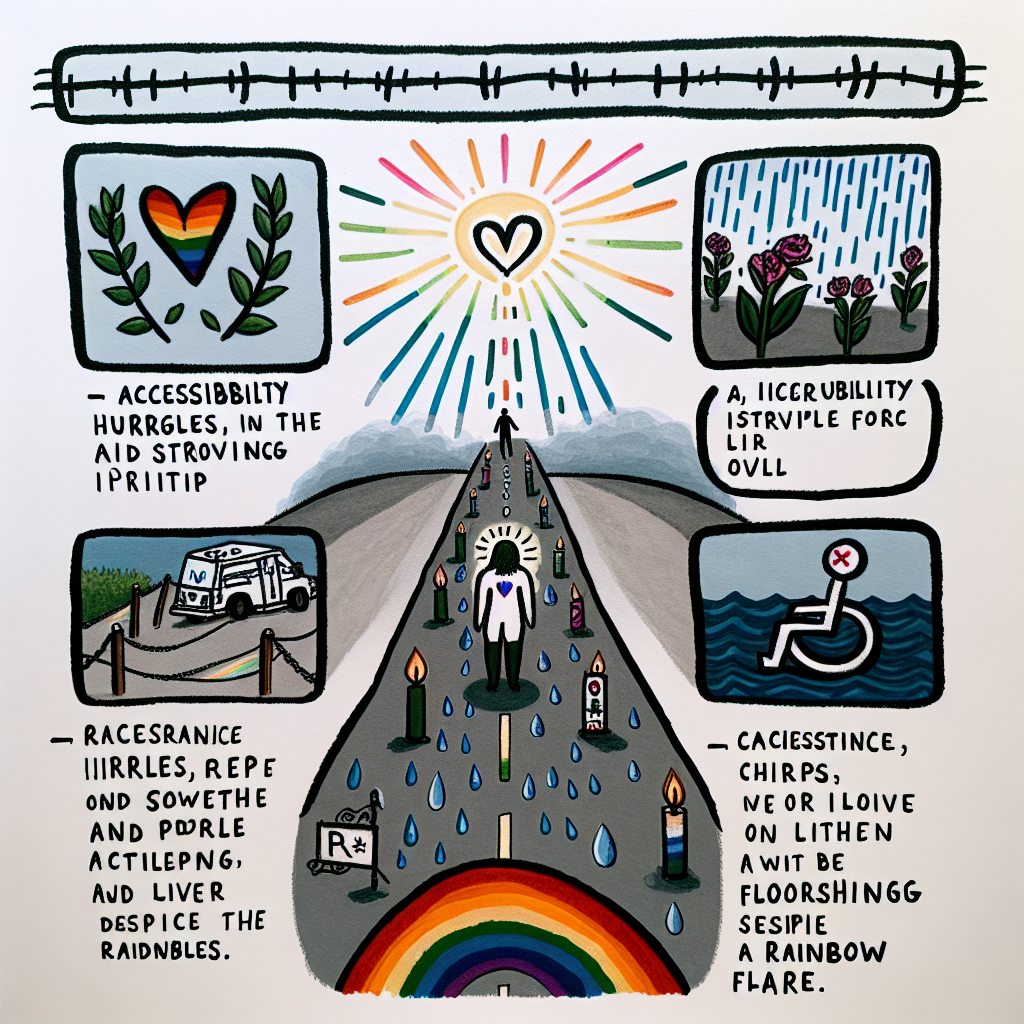
Navigating the intricate web of desire and intimacy can be a complex journey for anyone, but for a queer individual living with chronic illness, the path is often fraught with unique challenges. Building intimacy in relationships while managing an unpredictable health condition requires not only resilience but also a profound understanding between partners. This delicate dance of vulnerability and strength can transform barriers into bridges, creating deeper connections that transcend physical limitations.
At the heart of this journey lies the need for open communication. Chronic illness introduces a dynamic element to relationships, where good days are often interspersed with difficult ones. For queer individuals, who may already face societal prejudices, adding a layer of chronic illness can seem overwhelming. However, discussing one’s health openly with a partner can foster empathy and patience, essential ingredients for nurturing intimacy. By sharing their experiences and feelings, both partners can develop a mutual understanding that enhances emotional closeness.
Transitioning from mere conversation to actionable support is another crucial step. Partners can work together to find ways to accommodate the fluctuating nature of chronic illness. Simple acts of kindness—like planning low-energy activities on tougher days or being flexible with plans—can make a significant difference. These gestures show care and consideration, reinforcing the bond between them. Through such thoughtful interactions, intimacy grows organically, rooted in genuine concern and affection.
Moreover, embracing adaptability becomes key in maintaining physical intimacy. Chronic illness may impose certain physical limitations, but creativity in expressing love and desire can keep the flame alive. Exploring different forms of touch, finding comfortable positions, or even prioritizing non-sexual forms of intimacy like cuddling and holding hands can sustain the connection. When partners remain attuned to each other’s needs and boundaries, they cultivate a safe space where love can flourish despite any constraints imposed by illness.
In addition to practical adjustments, it’s vital to acknowledge the psychological impact of chronic illness on intimacy. Feelings of inadequacy or fear of being a burden can dampen self-esteem and hinder openness in a relationship. Here, reassurance plays a pivotal role. Affirmations of love and attraction, regardless of health status, help reinforce confidence and security. Partners must remind each other that their bond transcends physical wellness, anchored instead in shared values, emotional support, and unwavering commitment.
Furthermore, seeking external support can provide invaluable insights and encouragement. Engaging with communities of chronically ill individuals or queer support groups offers a sense of belonging and validation. Hearing others’ stories about navigating similar paths can inspire new approaches to intimacy and strengthen resolve. Professional guidance through therapy can also equip couples with tools to manage stressors and enhance their relational dynamics.
Ultimately, building intimacy while overcoming the barriers posed by chronic illness demands a blend of patience, creativity, and unwavering dedication. It’s a continuous process of learning and adapting, where each challenge faced together fortifies the relationship’s foundation. The journey might be arduous at times, but it is within these trials that true love reveals its depth and resilience.
As two hearts intertwine amidst the ebb and flow of health struggles, they discover that intimacy is not merely defined by physical proximity but by the enduring spirit of companionship. In this shared odyssey towards closeness, every moment of understanding and tenderness becomes a testament to the power of love that defies all odds.
Navigating Self-Acceptance: Embracing Identity and Health in the Quest for Love
Navigating the labyrinth of desire can be a complex endeavor for anyone, but for a queer individual living with a chronic illness, it can feel like an intricate dance of self-acceptance and vulnerability. This journey towards intimacy often begins with understanding and embracing one’s own identity, both in terms of sexuality and health. The intersection of these aspects creates a unique tapestry of experiences that shape the quest for love.
In this delicate balance, self-acceptance serves as the cornerstone. Recognizing oneself as a queer person is a profound step, laden with its own set of challenges and triumphs. It involves peeling back layers of societal expectations and internalized norms to reveal an authentic self. For many, this process is intertwined with moments of fear, joy, confusion, and clarity. Each revelation brings one closer to understanding their true desires and needs in a relationship.
Simultaneously, living with a chronic illness demands a different kind of acceptance. It requires acknowledging physical limitations and fluctuating health conditions while striving to maintain a positive self-image. This duality can sometimes create tension; the desire to be seen as vibrant and capable can clash with the reality of needing rest or medical intervention. Yet, within this struggle lies an opportunity for growth and deeper self-awareness.
As these two facets of identity converge, they inform how one approaches intimacy. Communication becomes paramount. Expressing one’s needs, boundaries, and vulnerabilities with potential partners is not merely beneficial—it is essential. This openness fosters trust and builds a foundation upon which genuine connections can flourish. Moreover, it allows both parties to navigate the intricacies of chronic illness together, creating a supportive and compassionate dynamic.
However, this path is not without its hurdles. Societal misconceptions about queerness and chronic illness can lead to feelings of isolation or unworthiness. The pervasive myth that only able-bodied individuals are desirable can be particularly damaging, fostering doubt and insecurity. Overcoming these barriers involves redefining notions of beauty and worthiness on one’s own terms. Embracing body positivity and celebrating resilience become acts of defiance against a culture that often marginalizes those who do not fit conventional molds.
Throughout this journey, community support plays a pivotal role. Engaging with other queer, chronically ill individuals provides a sense of belonging and shared understanding. These connections offer solace and practical advice, reinforcing the idea that one is not alone in their experiences. Additionally, allies—friends, family, and romantic partners who are willing to listen and learn—can provide invaluable support and affirmation.
Ultimately, navigating desire as a queer, chronically ill individual is an ongoing process of self-discovery and adaptation. It involves continually reassessing one’s needs and desires while remaining open to change. By embracing both identity and health with compassion and courage, it becomes possible to forge meaningful and fulfilling relationships.
In this ever-evolving landscape, love takes on many forms. It may manifest in quiet moments of mutual care, passionate expressions of affection, or steadfast companionship through life’s ups and downs. Each connection, no matter how fleeting or enduring, contributes to a richer understanding of what it means to be truly intimate.
Thus, the journey towards intimacy is not solely about finding another person; it is also about discovering oneself. In this intertwining dance of desire, identity, and health, every step taken is a testament to the strength and beauty inherent in being authentically oneself.
Communication Strategies: Discussing Needs and Boundaries in Queer Relationships
Navigating the intricate landscape of desire and intimacy as a queer, chronically ill individual can be both profoundly rewarding and uniquely challenging. Communication stands at the heart of this journey, serving as the bridge between partners who seek to understand and support each other’s needs and boundaries. In queer relationships, where societal norms are often questioned and redefined, open dialogue becomes even more essential.
For those living with chronic illness, discussing personal limitations and health-related needs is a vital part of fostering a nurturing relationship. The first step in this process involves self-awareness and honesty about one’s own condition. By understanding their symptoms, triggers, and daily struggles, individuals can better articulate these aspects to their partner. This sets the stage for a compassionate exchange, where vulnerability is met with empathy rather than judgment.
In queer relationships, where traditional gender roles are less likely to dictate dynamics, there is often greater freedom to create personalized approaches to communication. This flexibility allows for innovative strategies tailored to the unique challenges posed by chronic illness. For instance, some couples might establish regular check-ins to discuss how they’re feeling physically and emotionally, ensuring that both partners remain attuned to each other’s evolving needs.
When addressing boundaries, it is crucial to approach the conversation with sensitivity and care. A gentle introduction can pave the way for deeper discussions: “I’ve been thinking about how we can best support each other given my health situation. Can we talk about what feels comfortable for both of us?” Such an opening invites collaboration rather than confrontation, fostering a sense of unity.
As the dialogue progresses, specificity becomes key. Rather than vague statements like “I need more rest,” detailing specific actions—such as needing time alone after social events or requiring assistance with certain tasks—can help partners understand precisely how they can offer support. Equally important is listening actively when the partner shares their own boundaries and needs, ensuring that the conversation remains balanced and reciprocal.
Moreover, non-verbal communication plays a significant role in navigating these discussions. Body language, eye contact, and touch can convey reassurance and solidarity, reinforcing verbal commitments. In moments where words may falter, a comforting gesture or a shared silence can speak volumes about mutual respect and affection.
It is also beneficial to revisit and revise boundaries regularly. Chronic illnesses can fluctuate, and so too can the needs associated with them. Periodic conversations allow both partners to adapt to changes together, maintaining a dynamic balance within the relationship. This ongoing dialogue not only addresses immediate concerns but also strengthens the bond over time.
Finally, humor and light-heartedness can ease the weight of these serious conversations. Sharing a laugh over a misunderstood symptom or finding joy in small victories can alleviate tension and remind partners of the love that underpins their relationship. This blend of openness, attentiveness, and playfulness creates a resilient foundation capable of weathering the complexities of chronic illness.
In essence, effective communication strategies in queer relationships involve a delicate dance of honesty, empathy, and adaptability. By engaging in heartfelt discussions about needs and boundaries, queer individuals navigating chronic illness can cultivate intimate connections that honor both their vulnerabilities and their strengths. Through this continuous exchange, love finds its expression not just in grand gestures but in the everyday acts of understanding and care.
Conclusion
Navigating Desire: A Queer, Chronically Ill Individual’s Journey Towards Intimacy highlights the unique challenges and triumphs faced by those at the intersection of queerness and chronic illness. Through personal narratives and broader reflections, it underscores the importance of self-acceptance, open communication, and the need for inclusive spaces that honor diverse experiences. Ultimately, the journey towards intimacy is portrayed as a complex but deeply rewarding path, emphasizing resilience, empathy, and the transformative power of genuine connection.