
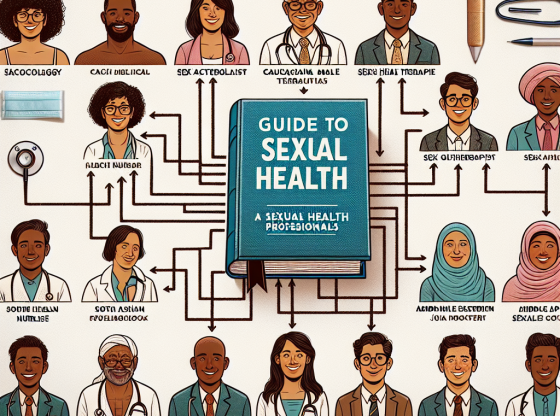
Understanding the Role of a Sexologist: Your Guide to Sexual Health Professionals
Sexual health is a vital aspect of overall well-being, yet it remains a topic shrouded in stigma and misinformation. A sexologist plays an essential role in bridging this gap, offering expert guidance on sexual health, relationships, and intimacy. This introduction explores the multifaceted responsibilities of sexologists, who are trained professionals specializing in the scientific study of human sexuality. They employ a holistic approach, addressing physical, psychological, and emotional dimensions of sexual health. By understanding the role of a sexologist, individuals can better appreciate how these specialists contribute to enhancing sexual wellness, promoting healthy relationships, and fostering a deeper understanding of human sexuality.
Exploring the Expertise of a Sexologist: What They Do and Why It Matters
In the intricate tapestry of human relationships and personal well-being, few aspects are as deeply interwoven with our sense of self and happiness as our sexual health. Navigating this intimate terrain can be both exhilarating and daunting, prompting many to seek guidance from experts who specialize in the art and science of sexuality. Enter the sexologist, a dedicated professional whose expertise lies at the intersection of physiology, psychology, and emotional intimacy.
A sexologist is more than just a clinician; they are a compassionate confidant and an insightful guide. These specialists possess a profound understanding of human sexuality, encompassing its diverse expressions, challenges, and wonders. Their role is multifaceted, addressing not only the physical dimensions of sexual health but also the psychological and relational components that contribute to a fulfilling sexual life.
One might wonder what exactly a sexologist does. At the heart of their practice is the ability to provide tailored advice and therapeutic interventions for individuals and couples facing sexual difficulties. Whether it’s navigating issues like erectile dysfunction, low libido, or pain during intercourse, a sexologist employs evidence-based techniques to diagnose and treat these conditions. They may use a combination of medical knowledge and therapeutic skills to offer holistic care, ensuring that the solutions they propose consider the entirety of one’s being.
Moreover, sexologists play a pivotal role in fostering open communication between partners. In relationships where sexual dissatisfaction or misunderstandings have erected barriers, these professionals facilitate dialogues that nurture empathy and mutual understanding. Through counseling sessions, they help partners articulate their desires and fears, creating a safe space where vulnerability can lead to deeper connection.
In addition to addressing specific sexual concerns, sexologists also educate individuals about healthy sexual practices and consent. They advocate for informed decision-making and respectful interactions, emphasizing the importance of pleasure as well as safety. This educational aspect extends beyond the confines of therapy rooms into broader societal conversations, where sexologists often serve as advocates for sexual rights and inclusivity.
Transitioning from individual and couple-focused work, sexologists also engage in research that advances our collective understanding of human sexuality. Their studies delve into various facets of sexual behavior, orientation, and identity, contributing valuable insights that shape public health policies and societal norms. By exploring topics such as sexual response cycles or the impact of cultural factors on sexual expression, these researchers illuminate the complexities of our most private experiences.
It is essential to recognize that seeking the expertise of a sexologist is not confined to moments of crisis. Many individuals and couples turn to these professionals proactively, eager to enhance their sexual lives or explore new dimensions of intimacy. Whether through workshops, seminars, or one-on-one consultations, sexologists provide resources and strategies that enrich sexual experiences, fostering joy and satisfaction.
Ultimately, the significance of a sexologist’s work lies in their ability to affirm and celebrate the diversity of human sexuality. In a world where shame and stigma often cloud discussions about sex, these professionals stand as beacons of acceptance and knowledge. They remind us that our sexual health is integral to our overall well-being and that embracing it with curiosity and compassion can lead to profound personal growth.
As we continue to unravel the mysteries of our own desires and connections, the role of the sexologist remains indispensable. They are not merely healers of ailments but architects of intimacy, guiding us towards a deeper understanding of ourselves and each other. In their hands, the delicate dance of love and desire finds its rhythm, inviting us all to partake in the beauty of fully realized sexual health.
The Importance of Sexual Health: How a Sexologist Can Help You
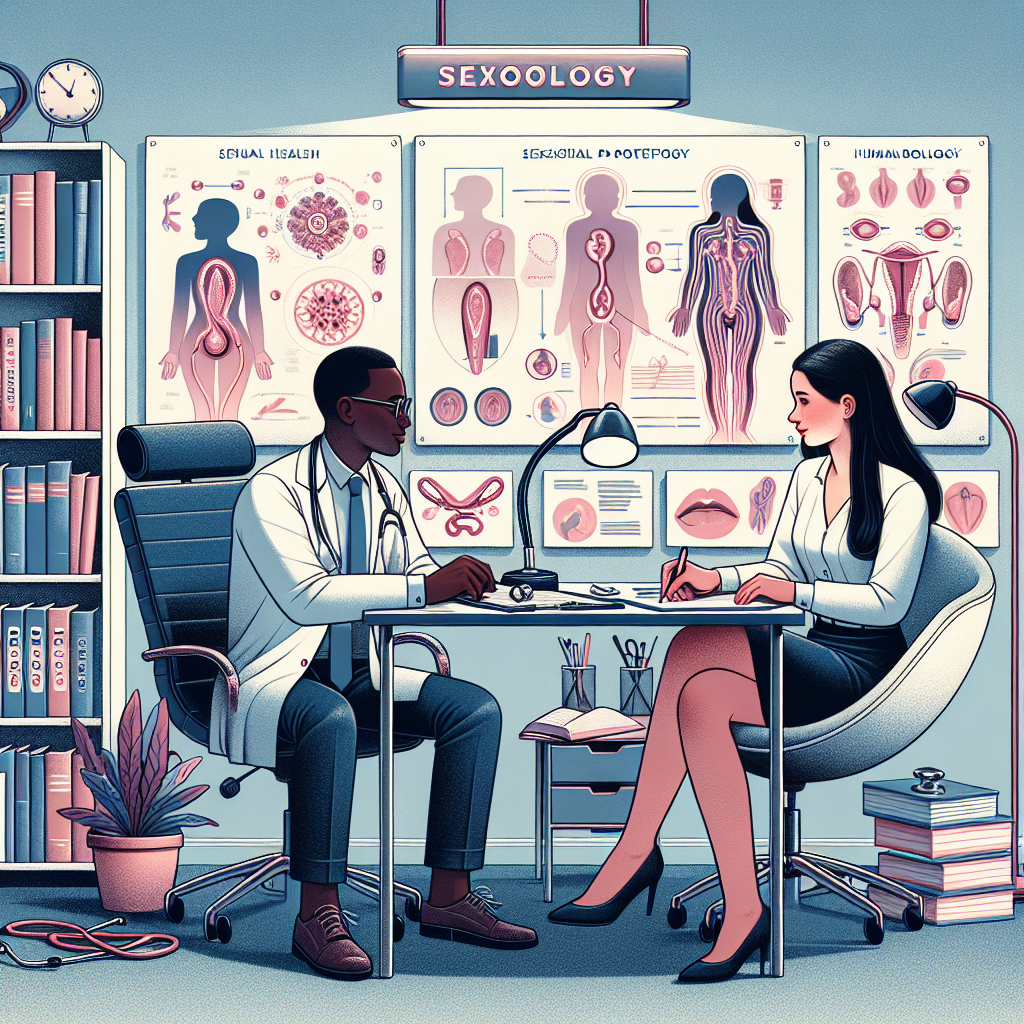
Sexual health is an integral part of overall well-being, yet it often remains shrouded in mystery and misconceptions. The importance of sexual health extends beyond the physical; it encompasses emotional, mental, and social dimensions. This is where a sexologist steps in, offering expertise that can illuminate this vital aspect of human life. A sexologist is a professional who specializes in the study and treatment of human sexuality, addressing issues ranging from physiological concerns to psychological intricacies. By understanding the role of a sexologist, one can appreciate how these specialists contribute to enhancing our intimate lives.
The journey toward better sexual health begins with acknowledging its significance. Sexual health influences self-esteem, relationships, and even mental health. When problems arise, they can ripple through various aspects of one’s life, causing distress and dissatisfaction. Here, a sexologist acts as a guide, helping individuals navigate the complex terrain of their sexual experiences. With compassion and expertise, they create a safe space for clients to explore their concerns without judgment or embarrassment. This supportive environment is crucial for fostering open communication, which is the cornerstone of effective treatment.
Transitioning from general awareness to specific interventions, sexologists employ a range of techniques tailored to individual needs. For some, this may involve addressing physical issues such as erectile dysfunction or vaginal dryness. These conditions can be daunting, but with proper guidance, solutions are within reach. Through medical assessments and evidence-based treatments, a sexologist can alleviate these challenges, restoring confidence and comfort in one’s sexual activities.
Beyond physical ailments, the emotional and psychological facets of sexual health are equally important. Many people grapple with anxiety, guilt, or trauma related to their sexual experiences. In such cases, a sexologist’s role extends into therapeutic realms. They utilize counseling techniques to help clients process their emotions, overcome negative patterns, and build healthier relationships with themselves and their partners. This holistic approach ensures that all dimensions of sexual health are addressed, promoting a more fulfilling and balanced life.
Furthermore, sexologists play a pivotal role in education and prevention. They provide valuable information on topics like contraception, sexually transmitted infections (STIs), and safe sexual practices. This knowledge empowers individuals to make informed decisions about their bodies and relationships. Education also helps dispel myths and stigmas surrounding sexuality, fostering a more inclusive and understanding society. By equipping people with accurate information, sexologists contribute to the broader goal of public health and well-being.
In addition to individual consultations, sexologists often work with couples to enhance their intimate connections. Relationship dynamics can significantly impact sexual satisfaction, and sometimes, external perspectives are necessary to resolve conflicts or misunderstandings. Through couple’s therapy, sexologists facilitate honest dialogues between partners, helping them rediscover intimacy and rekindle passion. This collaborative effort strengthens bonds and promotes mutual respect and understanding.
Ultimately, the role of a sexologist is multifaceted, bridging the gap between science and emotion, medicine and empathy. Their contributions are invaluable in promoting sexual health as a fundamental component of overall wellness. By seeking the guidance of a sexologist, individuals and couples can embark on a transformative journey toward greater happiness and harmony in their intimate lives. As we continue to recognize the importance of sexual health, the expertise of sexologists will remain essential in nurturing the delicate balance of body, mind, and heart.
Common Issues Addressed by Sexologists: From Libido to Relationship Counseling
Understanding the Role of a Sexologist: Your Guide to Sexual Health Professionals
Sexual health is an integral part of our overall well-being, yet it often remains shrouded in mystery and misunderstanding. A sexologist plays a pivotal role in demystifying this essential aspect of human life. These specialized professionals are adept at addressing a myriad of common issues that individuals and couples face, ranging from libido concerns to relationship counseling.
At the heart of many consultations with a sexologist lies the issue of libido. Variations in sexual desire are completely normal, but when these fluctuations cause distress or discord within a relationship, they become significant. Low libido can stem from various factors including stress, hormonal imbalances, or emotional difficulties. Conversely, an unusually high libido might indicate underlying psychological conditions. A sexologist utilizes their expertise to identify the root causes of these issues and develop personalized strategies to restore balance and harmony.
Transitioning from individual concerns, another prevalent issue that sexologists address is sexual dysfunction. This encompasses a range of challenges such as erectile dysfunction, premature ejaculation, and difficulties achieving orgasm. Each condition has its own set of potential causes and treatments, requiring a nuanced approach that a trained sexologist is uniquely equipped to provide. Through open dialogue and tailored interventions, these professionals help individuals reclaim a satisfying and fulfilling sexual experience.
Moreover, sexologists frequently encounter cases involving sexual orientation and gender identity. In a world where acceptance and understanding are still evolving, individuals grappling with these aspects of their identity may seek guidance and support. A compassionate sexologist offers a safe space for exploration and affirmation, helping clients navigate their journey towards self-acceptance and authentic expression.
In addition to individual concerns, relationship dynamics often bring people into the care of a sexologist. Communication breakdowns, mismatched desires, and infidelity are just a few examples of issues that can strain even the strongest relationships. Here, the role of the sexologist extends beyond addressing physical or psychological symptoms; they also act as mediators and counselors. By fostering open communication and empathy between partners, they help rebuild trust and intimacy, guiding couples back to a place of mutual satisfaction and connection.
Furthermore, sexologists are instrumental in addressing more complex situations such as trauma-related sexual issues. Survivors of sexual abuse or assault may struggle with intimacy and trust long after the event. A sensitive and skilled sexologist can help these individuals process their experiences, providing therapeutic interventions that facilitate healing and empowerment.
As we delve deeper into the realm of sexual health, it’s important to recognize that education plays a crucial role in the work of sexologists. Dispelling myths, correcting misinformation, and promoting healthy attitudes towards sexuality are all part of their mission. By equipping clients with accurate knowledge and practical tools, sexologists empower them to make informed decisions about their sexual health and relationships.
Ultimately, the role of a sexologist is multifaceted and profoundly impactful. Whether addressing physiological concerns, emotional struggles, or relational conflicts, these dedicated professionals offer invaluable support on the path to sexual well-being. Their work not only enhances individual lives but also fosters healthier, more fulfilling connections between partners. In seeking the guidance of a sexologist, one takes a bold step towards embracing a holistic and harmonious approach to sexual health.
Choosing the Right Sexologist: Tips for Finding a Qualified Professional
Choosing the right sexologist can be a deeply personal and transformative journey, as these professionals play a crucial role in addressing and enhancing one’s sexual health. The intimate nature of this field demands not just expertise but also a connection that fosters trust and openness. Finding a qualified sexologist who resonates with your needs involves several thoughtful steps, each contributing to a fulfilling and enlightening experience.
Firstly, it is essential to understand what qualifications a reputable sexologist should possess. Typically, a professional in this field will hold advanced degrees in psychology, medicine, or human sexuality. They may also have certifications from recognized organizations such as the American Association of Sexuality Educators, Counselors, and Therapists (AASECT). These credentials ensure that the sexologist has undergone rigorous training and adheres to ethical standards, providing a solid foundation for their practice.
Moreover, consider the areas of specialization that different sexologists offer. Some may focus on specific issues like erectile dysfunction, sexual trauma, or LGBTQ+ concerns, while others might provide more general sexual health counseling. Reflecting on your unique needs and challenges can guide you towards a professional whose expertise aligns with your goals. For instance, if you’re seeking help with intimacy issues within a relationship, a sexologist specializing in couples therapy could be particularly beneficial.
In addition to academic and professional qualifications, the importance of personal rapport cannot be overstated. The therapeutic relationship between you and your sexologist should be characterized by mutual respect, empathy, and comfort. It’s worth scheduling initial consultations with potential candidates to gauge how well they listen to your concerns and whether their communication style makes you feel understood and at ease. This preliminary interaction can reveal much about their approach and compatibility with your personality and expectations.
Furthermore, practical considerations such as location, availability, and cost also play a significant role in your decision-making process. While some people may prefer face-to-face sessions, others might find online consultations more convenient. Assessing your logistical preferences and financial constraints will help narrow down your options, ensuring that the chosen professional fits seamlessly into your lifestyle.
Testimonials and reviews from previous clients can also offer valuable insights into a sexologist’s effectiveness and approach. Many professionals maintain websites where they share client feedback, success stories, and detailed descriptions of their services. Reading these accounts can provide a clearer picture of what to expect and help build confidence in your choice.
Another important aspect to consider is the sexologist’s stance on inclusivity and cultural competence. A truly effective professional will demonstrate sensitivity towards diverse backgrounds, orientations, and identities. Ensuring that your sexologist respects and understands your cultural context can significantly enhance the quality of care you receive.
Lastly, trust your intuition throughout this process. Your instincts about whether a sexologist feels right for you are invaluable. After all, embarking on this journey requires vulnerability and openness; feeling safe and supported is paramount. By carefully evaluating qualifications, specialties, rapport, practicalities, and inclusivity, you can make an informed decision that paves the way for profound personal growth and enriched relationships.
Ultimately, choosing the right sexologist is a step toward embracing a healthier, more satisfying sexual life. With patience and diligence, you can find a compassionate expert who will guide you through the intricacies of sexual wellness, helping you discover deeper connections and greater fulfillment.
Conclusion
Understanding the role of a sexologist is crucial for addressing various aspects of sexual health and well-being. These professionals are trained to provide comprehensive care, including education, therapy, and medical interventions, tailored to individual needs. They help address issues ranging from sexual dysfunction and relationship problems to gender identity and sexual orientation concerns. By fostering an open, non-judgmental environment, sexologists empower individuals to explore and resolve their sexual health challenges, ultimately promoting healthier, more fulfilling lives. Their expertise bridges gaps in knowledge and support, making them invaluable resources in both clinical and educational settings.